
Lv.1
U

Discover how Shinsegae Food is leading the way in Korean food culture and innovation. Learn the meaning of 종합식품기업 today!

Netflix beat Q1 expectations but saw shares tumble due to a weak Q2 outlook. Learn the meaning of 깜짝 실적 in this news brief.
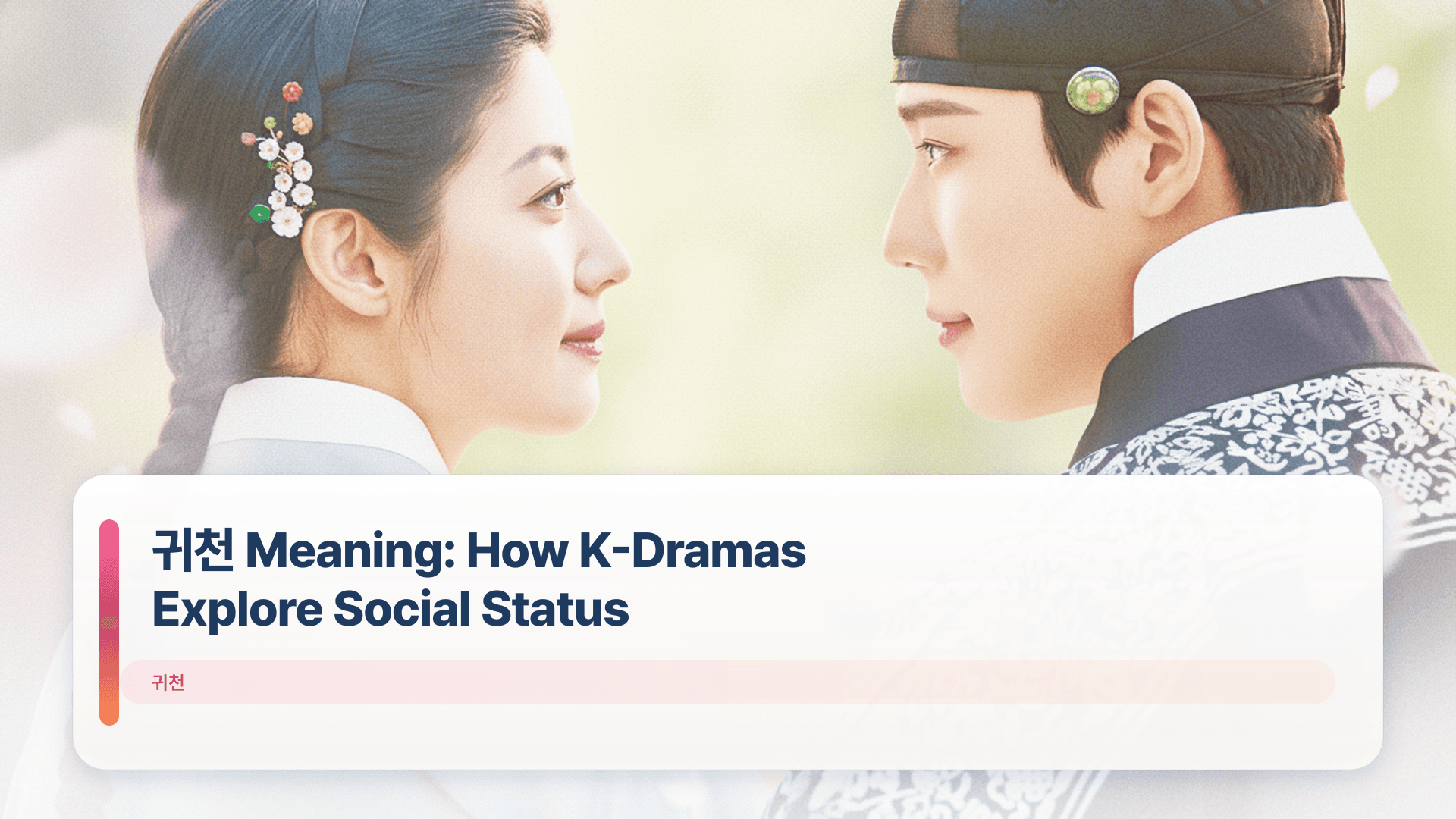
Explore the concept of 귀천 (social status) through K-dramas and Buddhist philosophy. Learn how to define your own worth.

Netflix reports strong Q1 earnings and subscriber growth, yet shares fall 9% in after-hours trading. Learn about 실적 호조 and market reactions.
EN brief: BTS, 힙합 아이돌의 귀환 (culture) + 1 glossary term.
Recent cultural analysis highlights the enduring legacy of BTS as they continue to redefine the boundaries of the global music industry. While many now see them as pop icons, their roots remain firmly planted in the hip-hop idol tradition that characterized their debut era.
This perspective, shared by South Korean policy briefings, suggests that the group's return to their core identity is not just a nostalgic move but a strategic reaffirmation of their artistic foundations. It emphasizes how the group bridged the gap between underground hip-hop and mainstream idol culture.
Observers note that the term "hip-hop idol" was once seen as a contradiction in terms within the Korean music scene. However, BTS proved that these two worlds could coexist, creating a unique genre that resonates with a global audience.
As the group members pursue various solo and group activities, the focus remains on how they maintain this balance. Their journey reflects broader shifts in the Korean cultural landscape, where genre boundaries are increasingly fluid.
According to reports from the Republic of Korea's policy briefing portal, the narrative surrounding BTS is shifting back to their origins as "hip-hop idols." This term refers to a specific hybrid of the rigorous training and polished image of K-pop idols combined with the raw, self-produced, and message-driven nature of hip-hop. When BTS first debuted, they faced skepticism from both the hip-hop community and the idol industry, yet they managed to carve out a space that honored both.
The article discusses how BTS's success has paved the way for a new generation of artists who do not feel the need to choose between being a "rapper" or an "idol." By focusing on social commentary and personal storytelling—hallmarks of hip-hop—within the idol framework, BTS created a blueprint for authenticity in a highly manufactured industry.
While the article does not specify exact dates for upcoming releases, it emphasizes the cultural significance of their "return" to these roots. It suggests that the global fandom, ARMY, connects deeply with this specific identity because it represents the group's struggle and eventual triumph. The briefing notes that this identity is a key component of South Korea's "soft power" and cultural diplomacy.
Furthermore, the analysis points out that the evolution of BTS is a reflection of the maturing K-pop industry. The industry is moving away from simple performance-based groups toward artists who have significant creative control over their music and message. BTS stands as the primary example of this successful transition.
힙합 아이돌hiphap aidol (hip-hop idol) refers to K-pop groups or artists who base their musical identity, performance style, and image on hip-hop culture while operating within the idol industry system. It implies a high level of involvement in songwriting and rapping.
그는 전형적인 힙합 아이돌의 매력을 보여준다.geuneun jeonhyeongjeogin hiphap aidorui maeryeogeul boyeojunda. — He shows the charm of a typical hip-hop idol.
방탄소년단은 힙합 아이돌로서의 정체성을 지켰다.bangtansonyeondaneun hiphap aidolroseoui jeongcheseoeul jikyeotda. — BTS maintained their identity as hip-hop idols.