Singer Bank and Others Withdraw from 'Yoon-Again' Concert
Discover the controversy surrounding the 'Yoon-Again' concert as artists like Bank and Tae Jin-ah withdraw over political transparency issues. Learn more.

Discover the controversy surrounding the 'Yoon-Again' concert as artists like Bank and Tae Jin-ah withdraw over political transparency issues. Learn more.
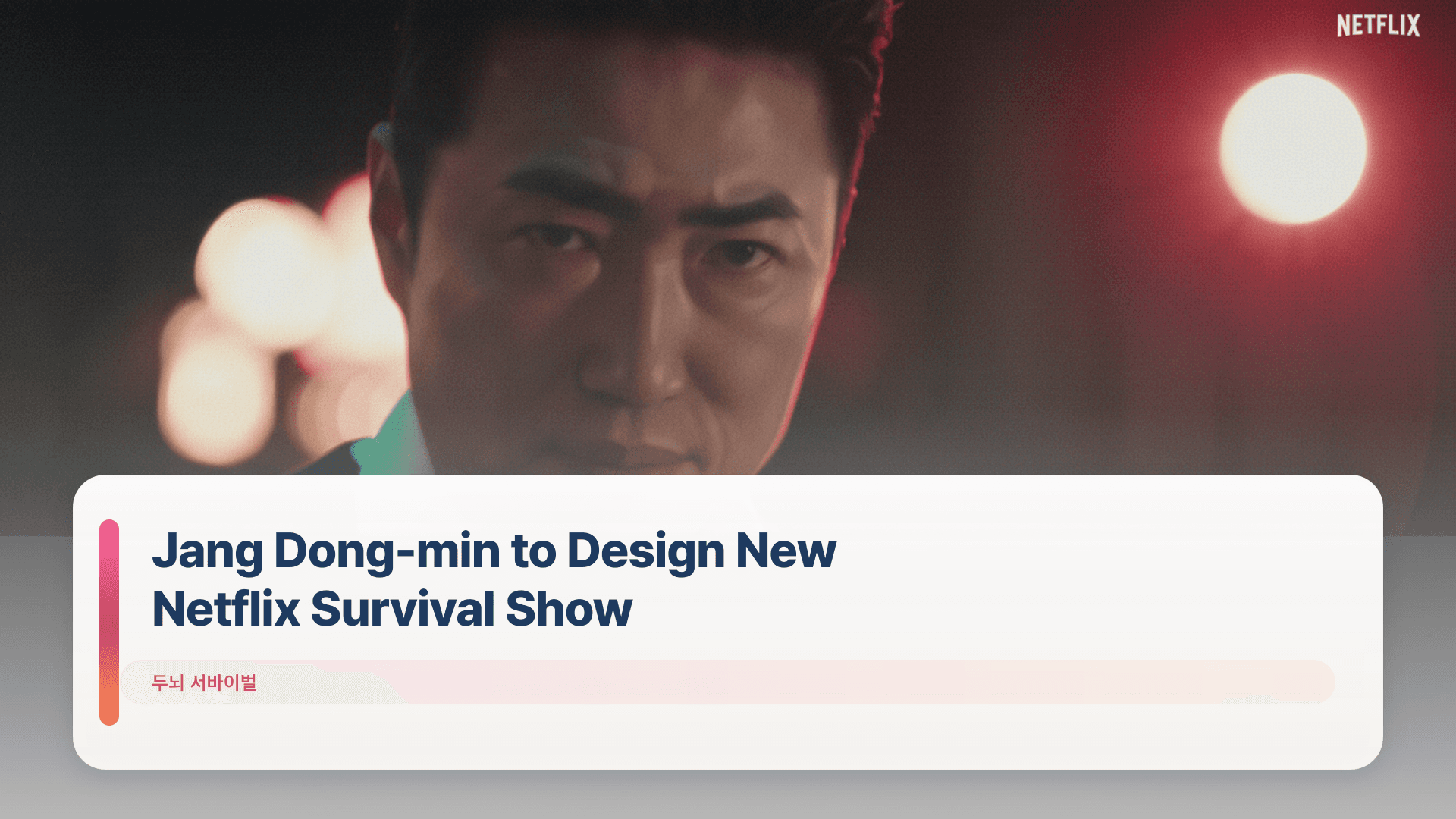
Comedian Jang Dong-min joins forces with 'Blood Game' PD for a new Netflix brain survival series. Discover the latest in K-entertainment!
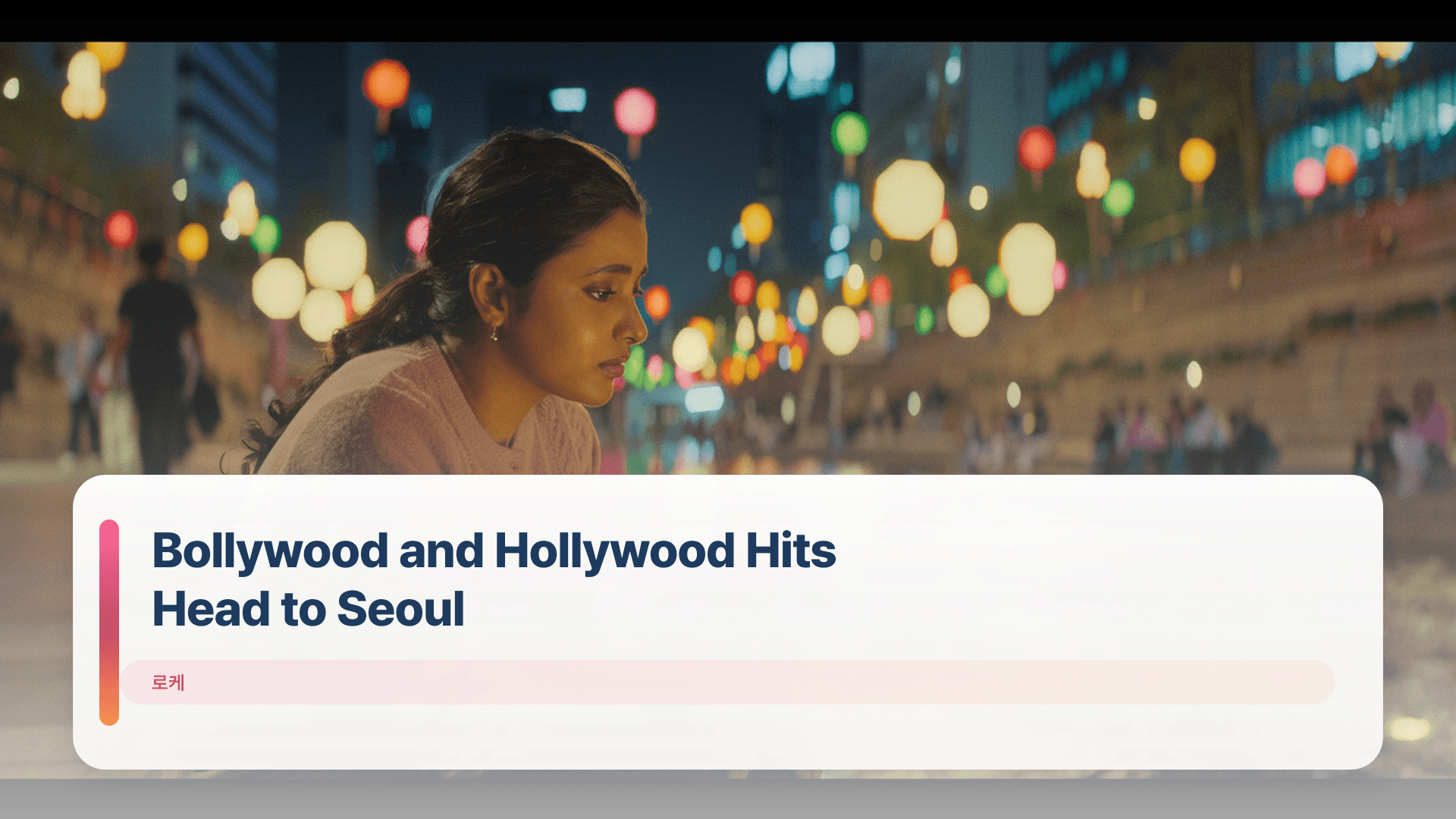
Discover how global hits like 'Made in Korea' and 'XO, Kitty' are turning Seoul into a primary filming location. Learn the term 로케.

Discover the controversy over AI companies accessing public health data in Korea. Learn the meaning of 비정형데이터 (unstructured data).

Discover how the Seoul Cinema Center and local Eulji-myeongbo merchants are collaborating to revitalize the historic Chungmuro film district.
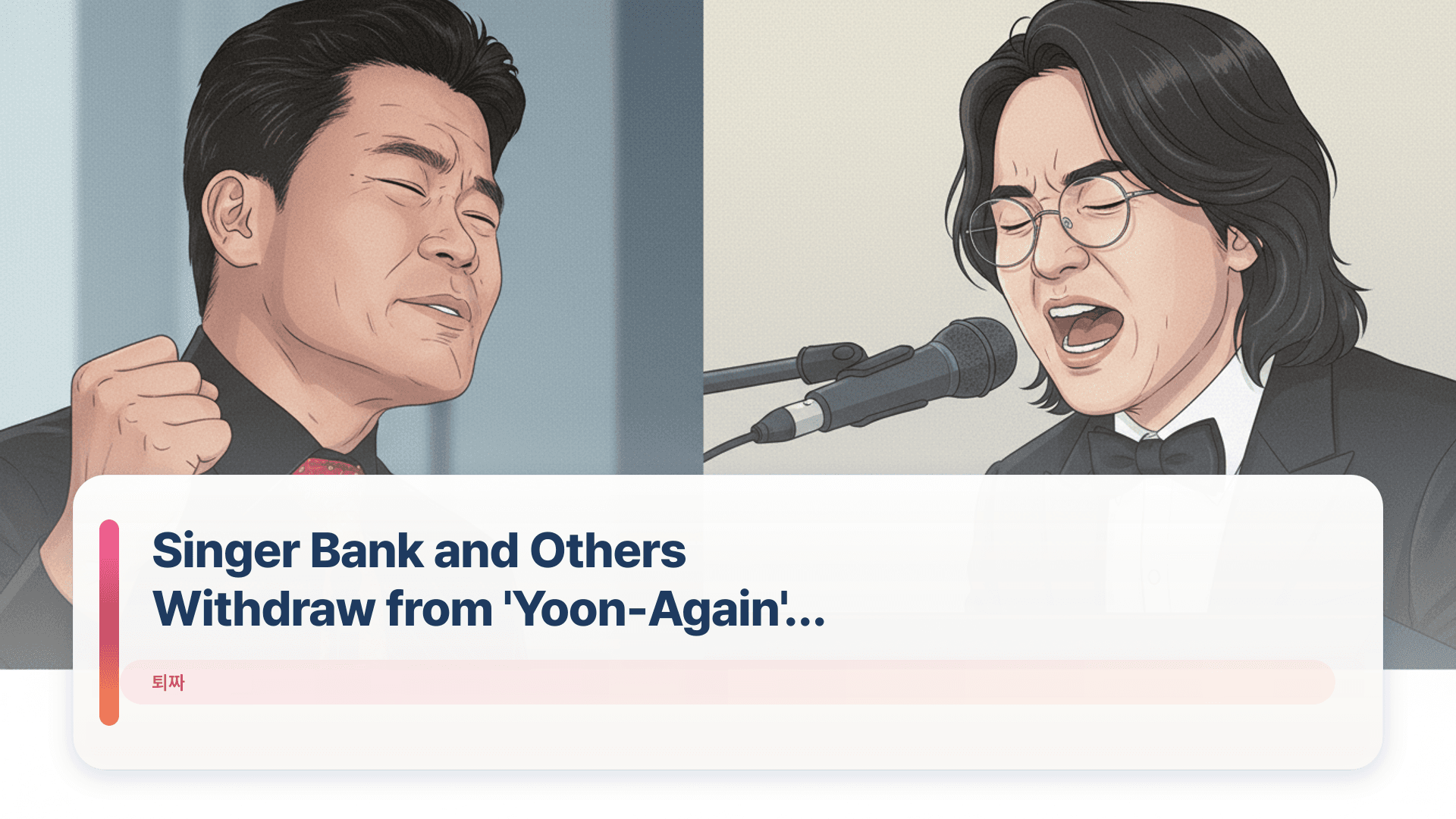
EN brief: 전한길은 ‘가질 수 없는 너’…가수 뱅크도 윤어게인 콘서트 “안 가” (culture) + 1 glossary term.
A major controversy has erupted in the Korean entertainment and political spheres regarding the "Yoon-Again" concert, organized by former history instructor Jeon Han-gil. Several high-profile artists, including veteran singer Tae Jin-ah and the band Bank, have publicly announced their withdrawal from the event. The core of the dispute lies in allegations that the organizers misled performers about the nature of the concert.
Performers claim they were told the event was a general commemorative concert for the March 1st Movement. However, they later discovered it was a politically charged gathering supporting specific ideologies and figures. This lack of transparency has led to a wave of cancellations and even threats of legal action from talent agencies who feel their artists' reputations were put at risk.
Jeon Han-gil has countered these claims by suggesting that the artists are being pressured by the current administration and the media. He argued on his internet cafe that the "oppression" from the Democratic Party and news outlets made the performers feel burdened. He maintains that the event was intended to spread messages of freedom and truth.
Despite Jeon's claims of political pressure, the artists themselves have stated that their decision was based solely on the misrepresentation of the event's nature. Many emphasized that they avoid participating in events with extreme political leanings, regardless of the party involved, to maintain professional neutrality.
The "Yoon-Again" concert, scheduled to take place at KINTEX in Goyang, was originally marketed as a "March 1st Memorial Freedom Concert." However, as the event date approached, the true nature of the program—which included messages regarding election integrity and support for specific political figures—became clear to the invited performers. This led to a domino effect of withdrawals starting with singer Tae Jin-ah and MBC announcer-turned-broadcaster Lee Jae-yong.
Musical actor Jeong Min-chan and the singer Bank (famous for the hit "I Can't Have You") also joined the boycott. Jeong stated he was only aware of the March 1st theme and was surprised to see his face on posters for a political event he hadn't fully vetted. Similarly, soprano Jeong Chan-hee noted she only realized the specific affiliation of the event after a friend sent her a copy of the promotional poster.
Tae Jin-ah’s agency, Jina Entertainment, expressed significant frustration, noting that they specifically asked if the event was political and were told it was just a "general event at KINTEX." They have since announced plans for legal action against the organizers for using the singer's likeness without proper disclosure of the event's intent. The agency clarified that while they receive many "love calls" from political circles, they have a strict policy of non-participation.
In response to the backlash, Jeon Han-gil posted several statements blaming the "Lee Jae-myung administration" for creating an atmosphere of fear. He compared the current political climate to "Hitler's rule" or "communist China," suggesting that artists are too scared to perform at conservative-leaning events. He also claimed that if this were a "left-wing Kim Eo-jun concert," artists would be lining up to join.
However, the artists' rebuttals focus on the ethics of the recruitment process rather than the ideology itself. Lee Jae-yong pointed out that while he hosts various events regardless of political leanings, he draws the line at "extreme right or extreme left" gatherings. He stated clearly that had he been informed of the event's specific character or Jeon's involvement, he would never have accepted the role of moderator.
Adding another layer to the story, Jeon recently publicly invited Choi Si-won of Super Junior to the event. This came after Choi posted a cryptic message on social media following a court ruling involving former President Yoon. While some supporters interpreted Choi's post as a sign of solidarity, the idol has not officially responded to the invitation to join the controversial concert lineup.
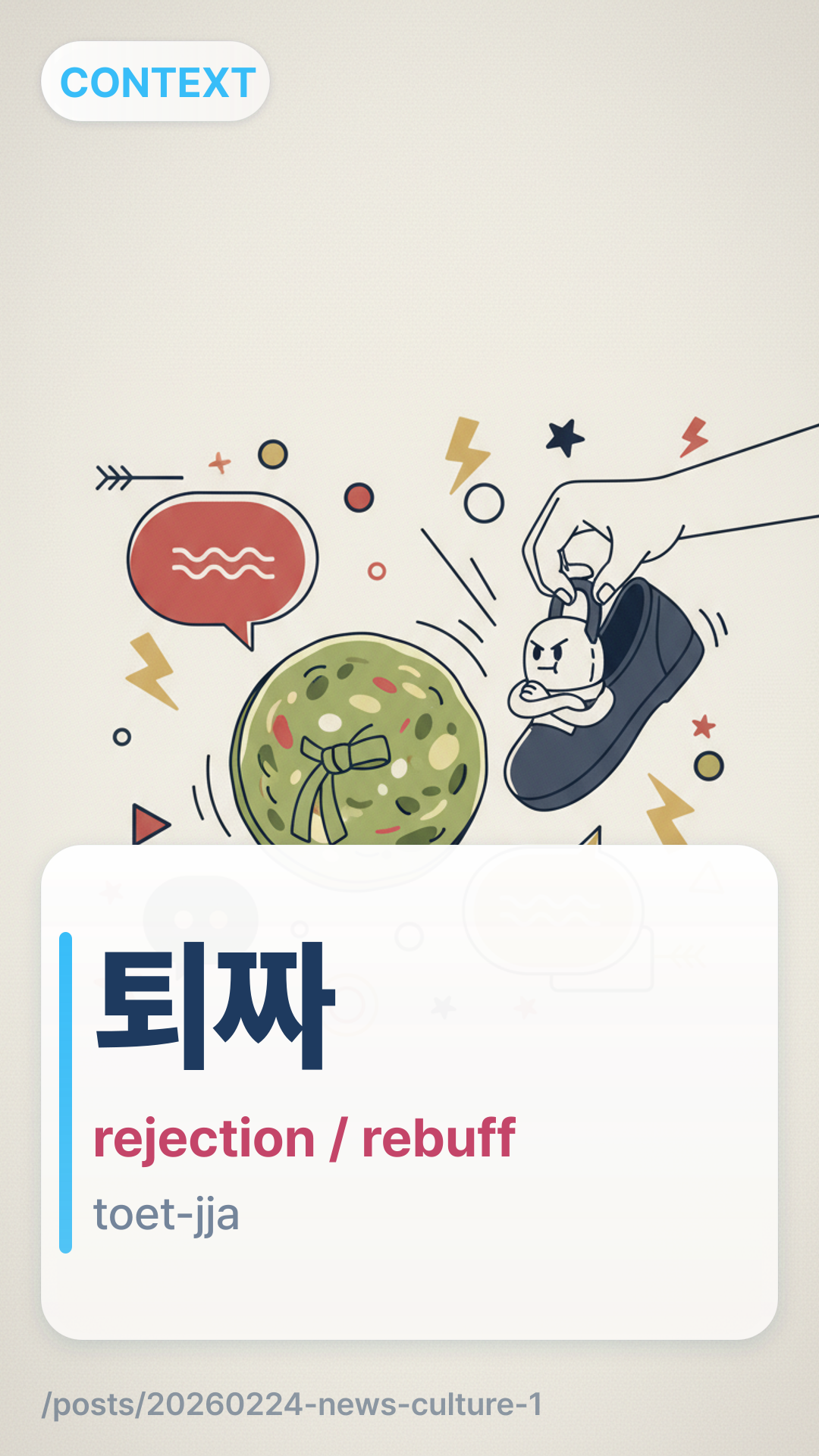
퇴짜toejja (toet-jja) refers to a rejection or a "rebuff," especially when something offered or presented is turned down because it doesn't meet expectations or is deemed unsuitable.
그는 제안을 했지만 결국 퇴짜를 맞았다.geuneun jeaneul haetjiman gyeolguk toejjareul majatda. — He made a proposal but ended up getting rejected.
정성껏 준비한 기획안이 퇴짜를 맞아서 속상해요.jeongseongkkeot junbihan gihoegani toejjareul majaseo soksanghaeyo. — I'm upset because the proposal I prepared so hard was turned down.
When reading Korean news about entertainment controversies, look for the word 논란nonran (controversy) or 입장문ipjangmun (official statement). These terms often signal that a public figure is responding to a conflict. To sound more natural, remember that 퇴짜 맞다toejja matda is a common idiomatic way to say "to be rejected" in social or business contexts.