G-Dragon’s ‘Lunar New Year’ Greeting Sparks Backlash
G-Dragon faces criticism from Chinese fans for using 'Lunar New Year' instead of 'Chinese New Year.' Learn the context behind the debate.

G-Dragon faces criticism from Chinese fans for using 'Lunar New Year' instead of 'Chinese New Year.' Learn the context behind the debate.
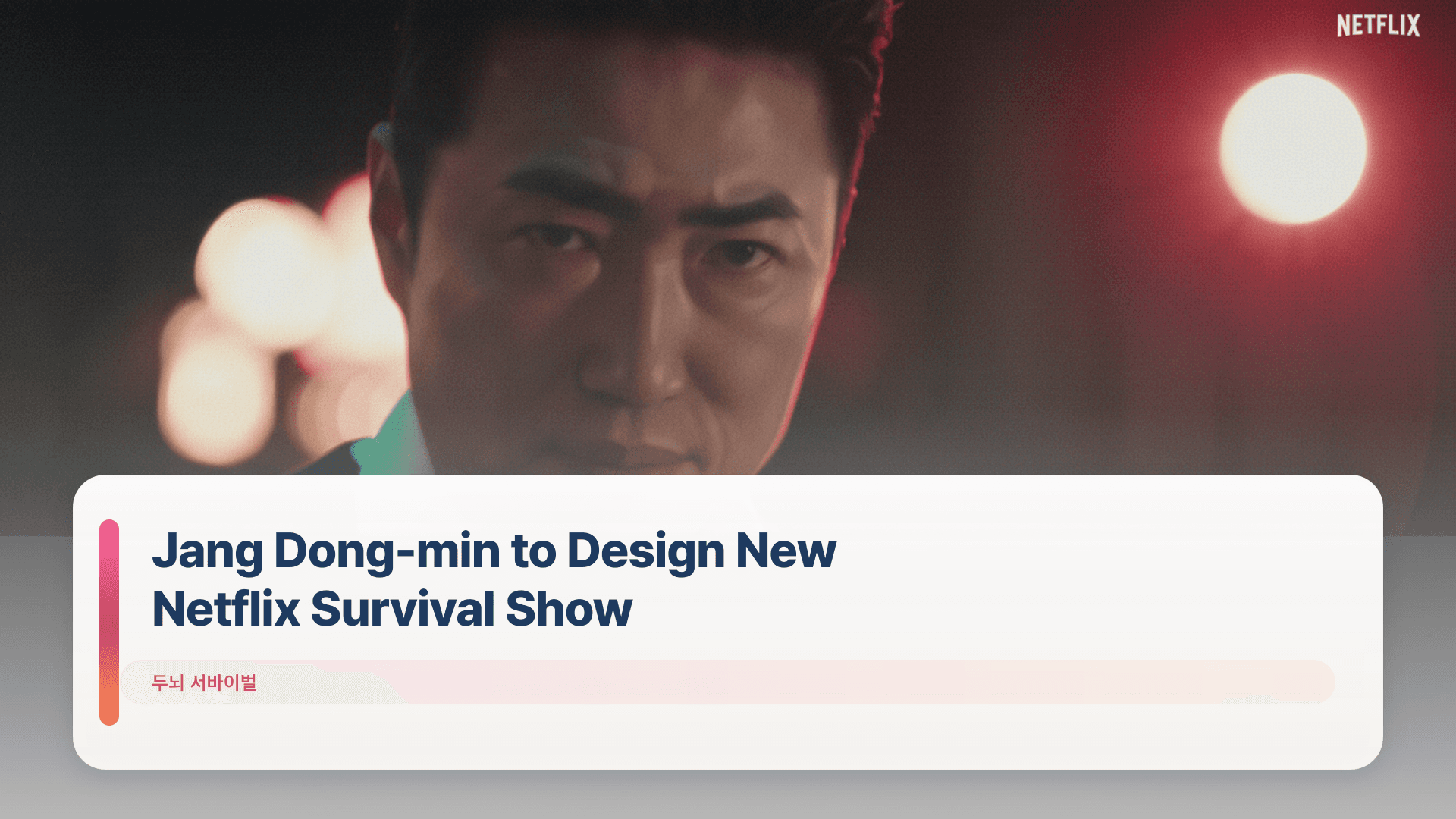
Comedian Jang Dong-min joins forces with 'Blood Game' PD for a new Netflix brain survival series. Discover the latest in K-entertainment!
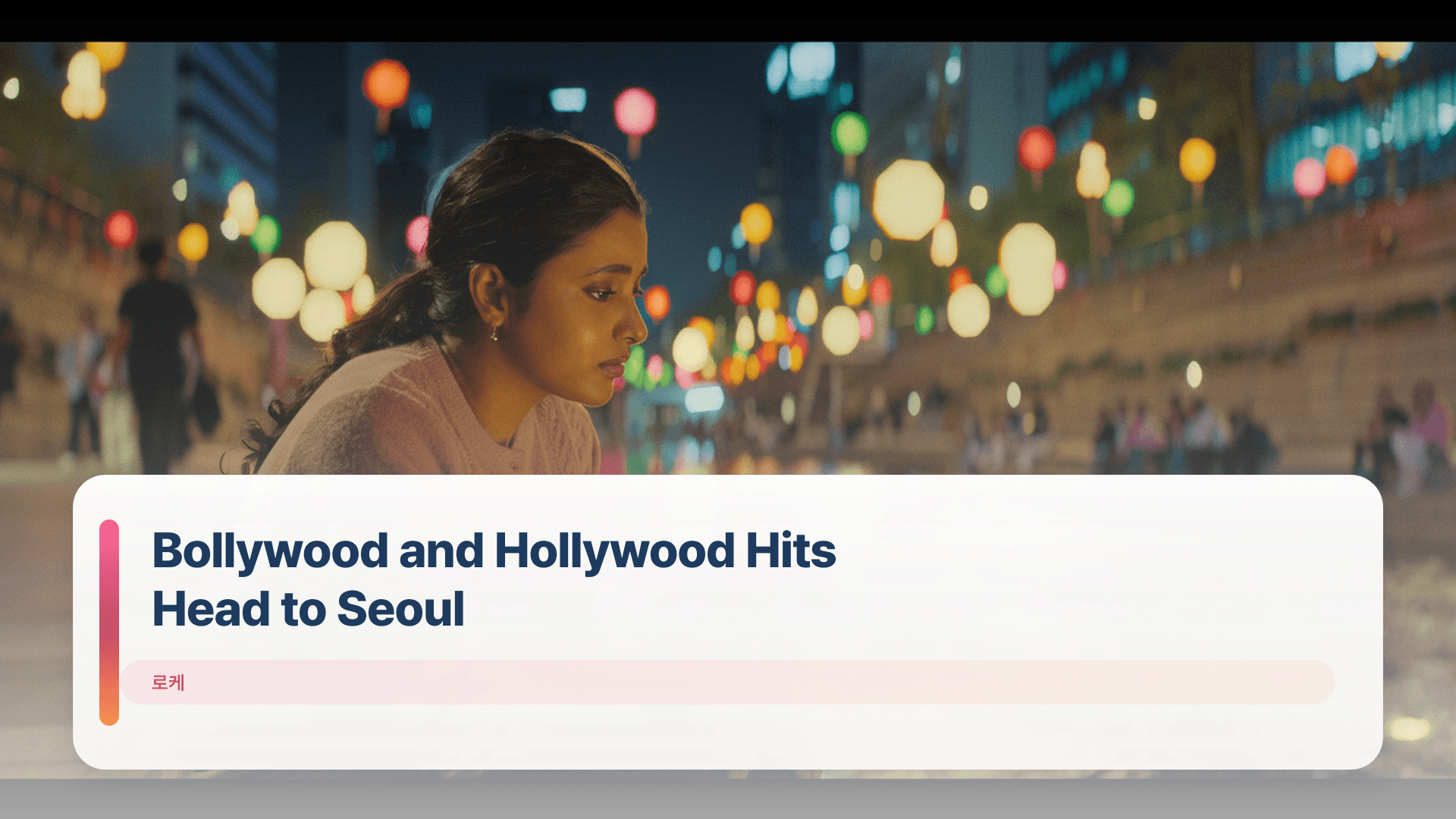
Discover how global hits like 'Made in Korea' and 'XO, Kitty' are turning Seoul into a primary filming location. Learn the term 로케.

Discover the controversy over AI companies accessing public health data in Korea. Learn the meaning of 비정형데이터 (unstructured data).

Discover how the Seoul Cinema Center and local Eulji-myeongbo merchants are collaborating to revitalize the historic Chungmuro film district.
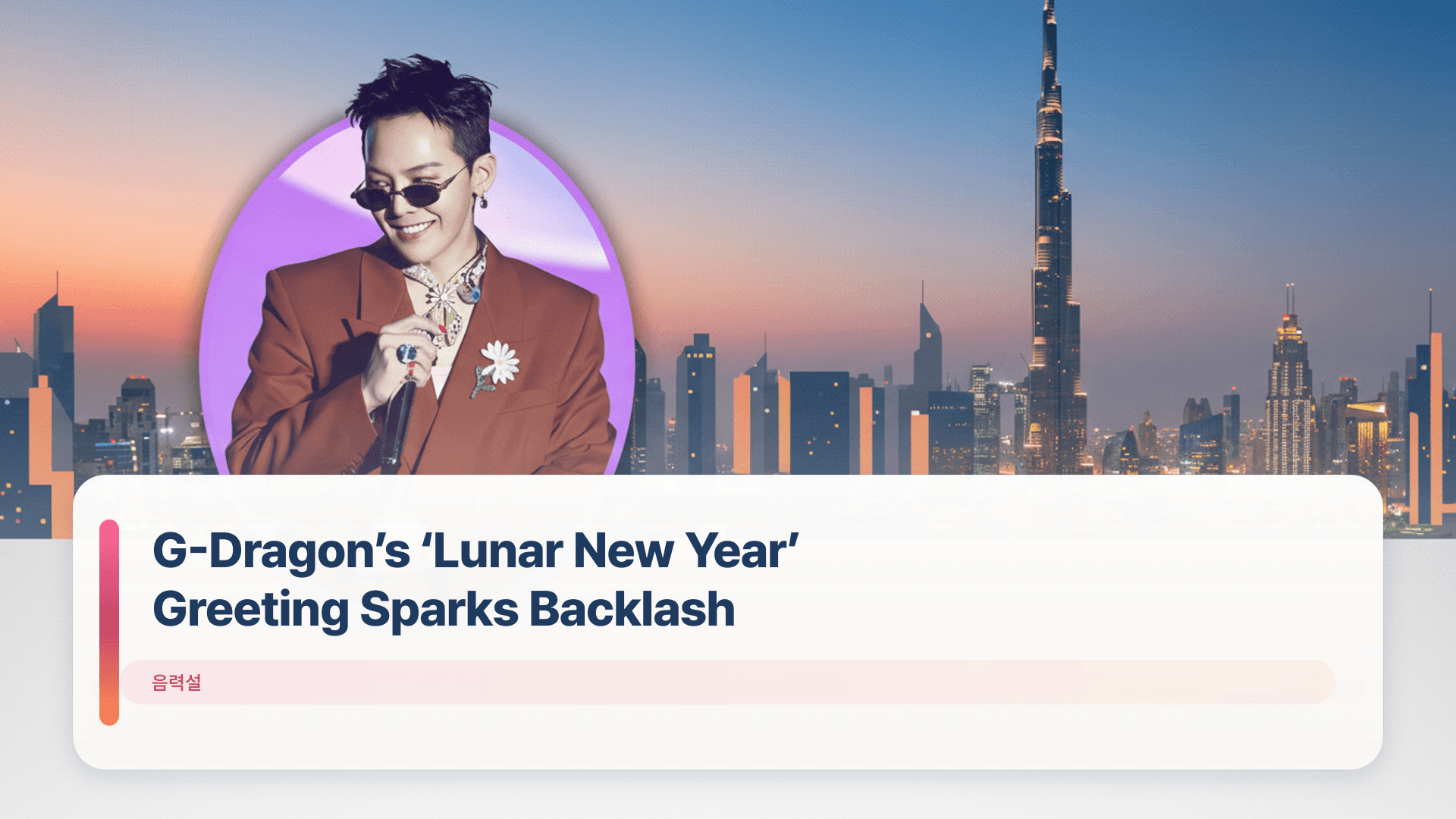
EN brief: 지드래곤, 콘서트서 설 인사 했다가…中 팬들 “실망”, 왜 (culture) + 1 glossary term.
K-pop icon G-Dragon (Kwon Ji-yong) has found himself at the center of a cultural debate following a recent performance in Dubai. During the 'Krazy Super Concert' held on February 17, the artist offered New Year greetings to his international audience.
The controversy stems from his choice of words, specifically using the term "Lunar New Year." While this phrasing is widely accepted globally to include various Asian cultures that celebrate the holiday, it triggered a wave of negative reactions from some Chinese netizens.
Critics argued that the holiday should be referred to as "Chinese New Year," claiming the tradition originates solely from China. The backlash was further intensified by the fact that another performer at the same event, Chinese idol Cai Xukun, used the phrase "Chinese New Year" during his set.
Professor Seo Kyoung-duk of Sungshin Women's University highlighted the issue on social media, defending G-Dragon's choice. He noted that the term "Lunar New Year" is an accurate reflection of a holiday shared by many Asian nations, including Korea (Seollal) and Vietnam (Tet).
On February 17, G-Dragon appeared as a headliner for the 'Krazy Super Concert' in Dubai, United Arab Emirates. During his interaction with the crowd, he wished everyone a happy "Lunar New Year." This moment was later highlighted by the South China Morning Post (SCMP) on February 28, reporting that many Chinese fans expressed "disappointment" over the terminology.
The debate over whether to call the holiday "Lunar New Year" or "Chinese New Year" has become a recurring flashpoint in online cultural discourse. In this instance, Chinese social media users flooded platforms with comments suggesting that G-Dragon was ignoring the roots of the festival. Some fans went as far as to say they felt "betrayed" by the star's neutral phrasing.
Adding to the tension was the presence of Cai Xukun, a popular Chinese idol who also performed at the Dubai festival. When Cai used the term "Chinese New Year," it created a direct contrast in the minds of some spectators, leading to harsher comparisons against G-Dragon.
Professor Seo Kyoung-duk, known for his work promoting Korean culture, stepped in to support G-Dragon on March 2. He argued that the aggressive stance taken by some netizens is an attempt to claim a shared Asian tradition as exclusively Chinese. Seo pointed out that global institutions like the New York Times have recently clarified that the holiday is celebrated under different names across Asia.
Despite the noise on social media, G-Dragon has been praised by others for maintaining a "global standard." By using the inclusive term "Lunar New Year," supporters argue he showed respect for the diverse backgrounds of his international fan base rather than catering to a single nationalist perspective.
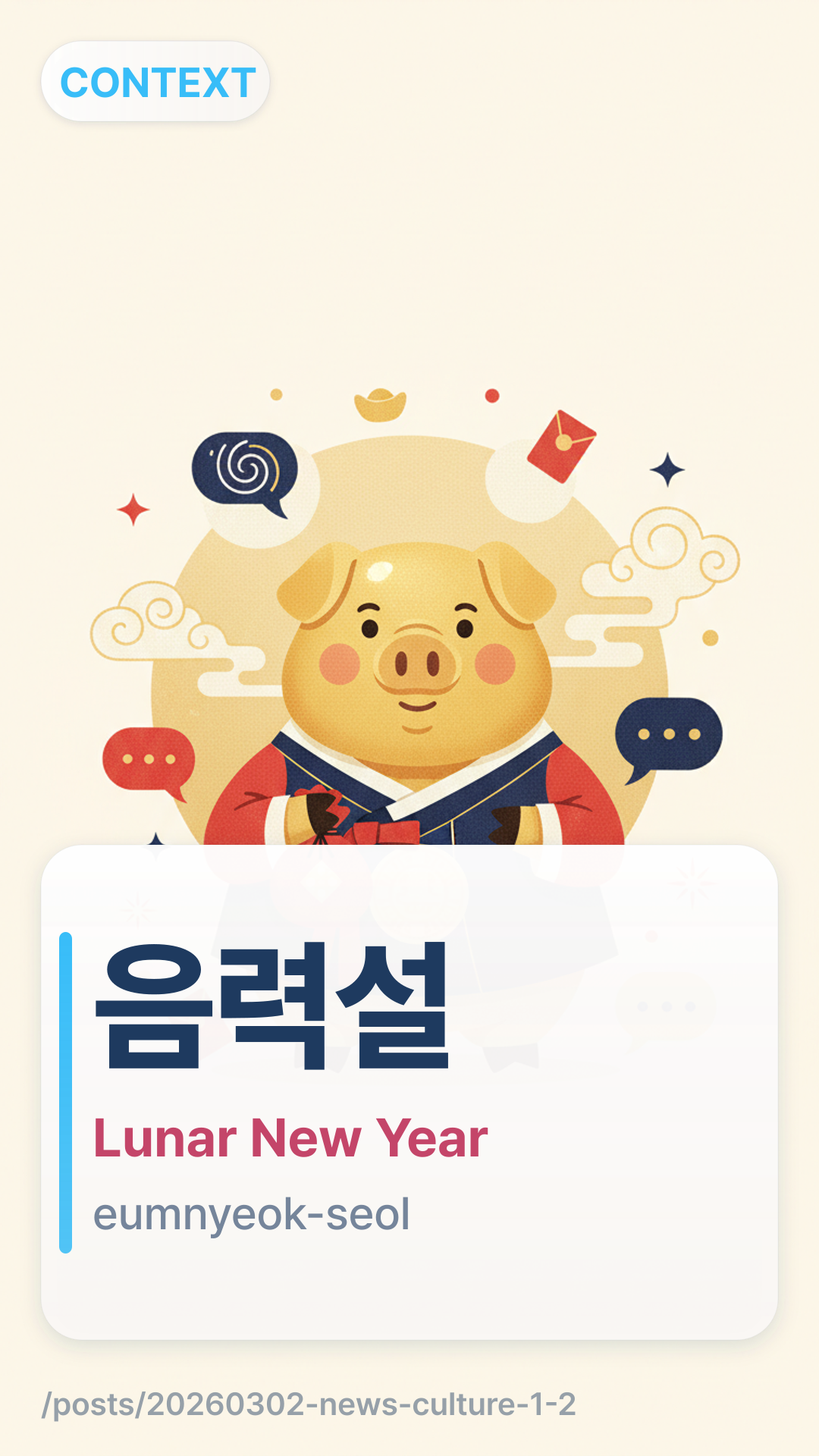
음력설eumryeokseol (Eumnyeok-seol) refers to the New Year based on the lunar calendar. In the context of the article, it is the term used to translate "Lunar New Year" and represents the idea that the holiday belongs to all of East Asia, not just one country.
올해 음력설은 가족과 함께 보냈어요.olhae eumryeokseoreun gajokgwa hamkke bonaesseoyo. — I spent this Lunar New Year with my family.
음력설은 아시아의 공통 명절입니다.eumryeokseoreun asiaui gongtong myeongjeoripnida. — Lunar New Year is a common holiday in Asia.
When discussing holidays in Korea, using 설날seolnal (Seollal) is the most natural way to refer to the Korean celebration. However, when speaking in a global or academic context, 음력설eumryeokseol is the formal term for the lunar calendar's start. Be aware that while "Lunar New Year" is the standard inclusive term in English, it remains a sensitive topic in online comment sections.