King Sejo vs. Gwanghae: How Movies Reshape Korean History
Explore how Korean cinema flips the script on historical figures like Sejo and Gwanghae. Learn the term '현군' and its cultural impact.

Explore how Korean cinema flips the script on historical figures like Sejo and Gwanghae. Learn the term '현군' and its cultural impact.
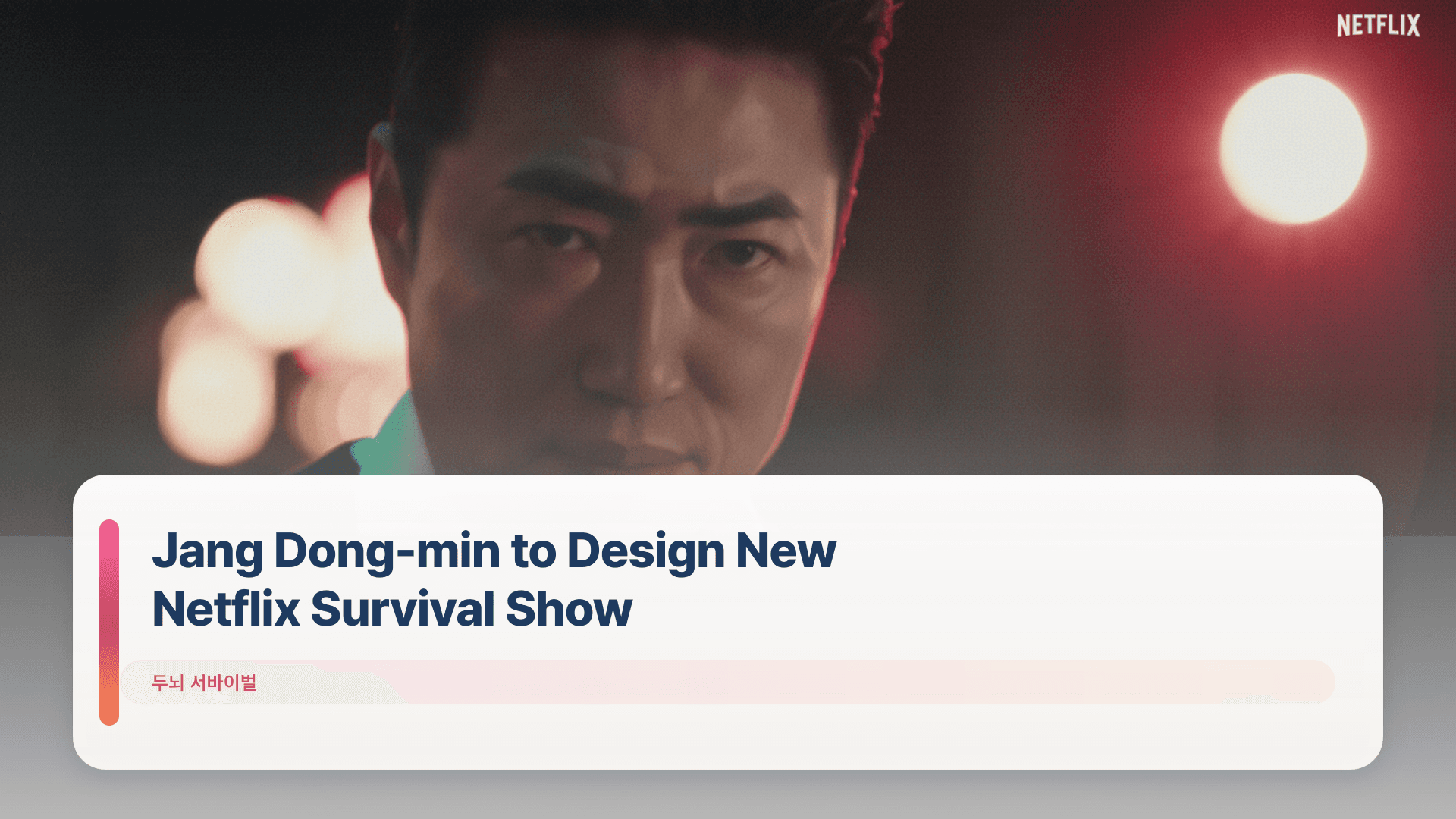
Comedian Jang Dong-min joins forces with 'Blood Game' PD for a new Netflix brain survival series. Discover the latest in K-entertainment!
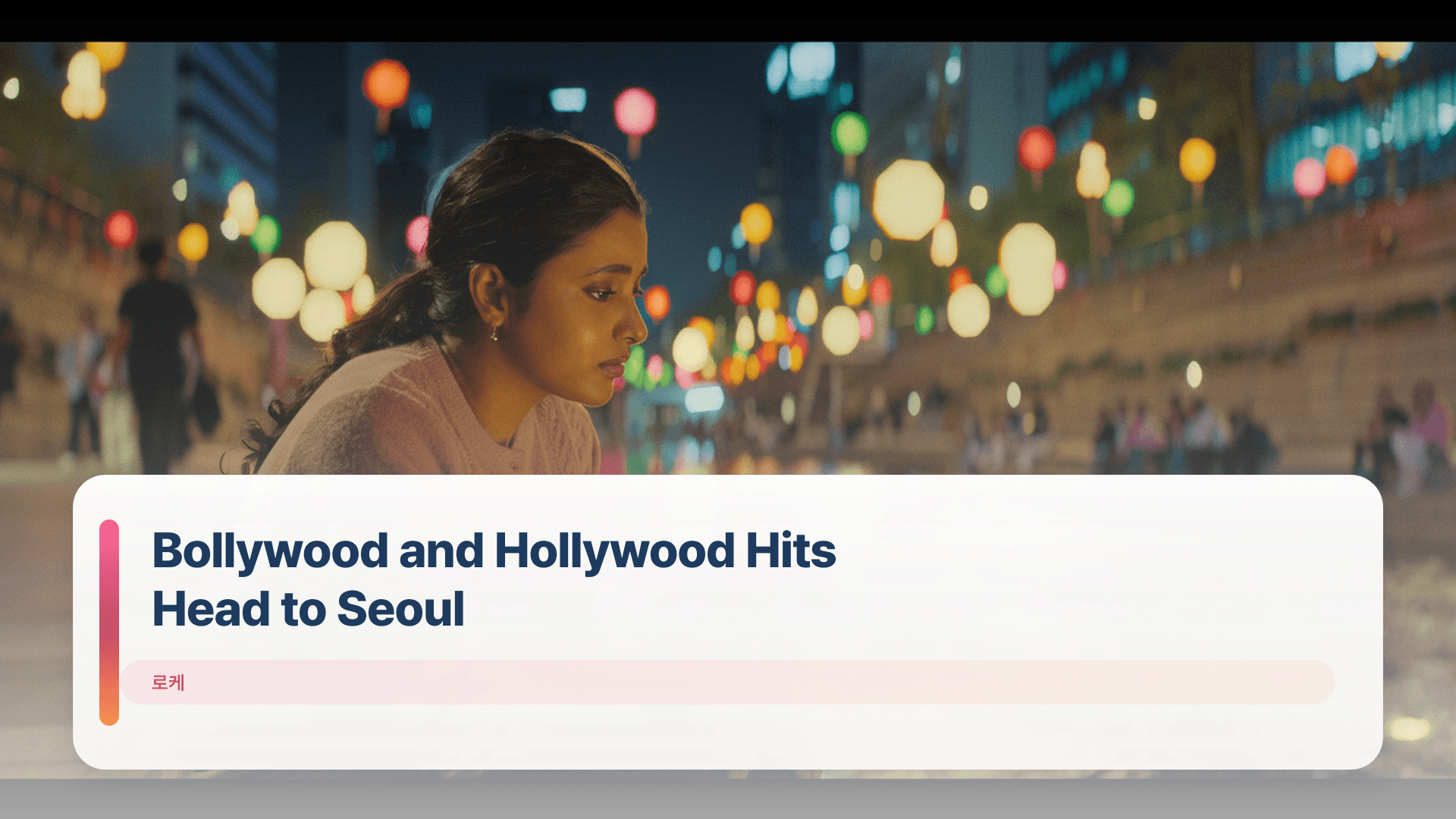
Discover how global hits like 'Made in Korea' and 'XO, Kitty' are turning Seoul into a primary filming location. Learn the term 로케.

Discover the controversy over AI companies accessing public health data in Korea. Learn the meaning of 비정형데이터 (unstructured data).

Discover how the Seoul Cinema Center and local Eulji-myeongbo merchants are collaborating to revitalize the historic Chungmuro film district.
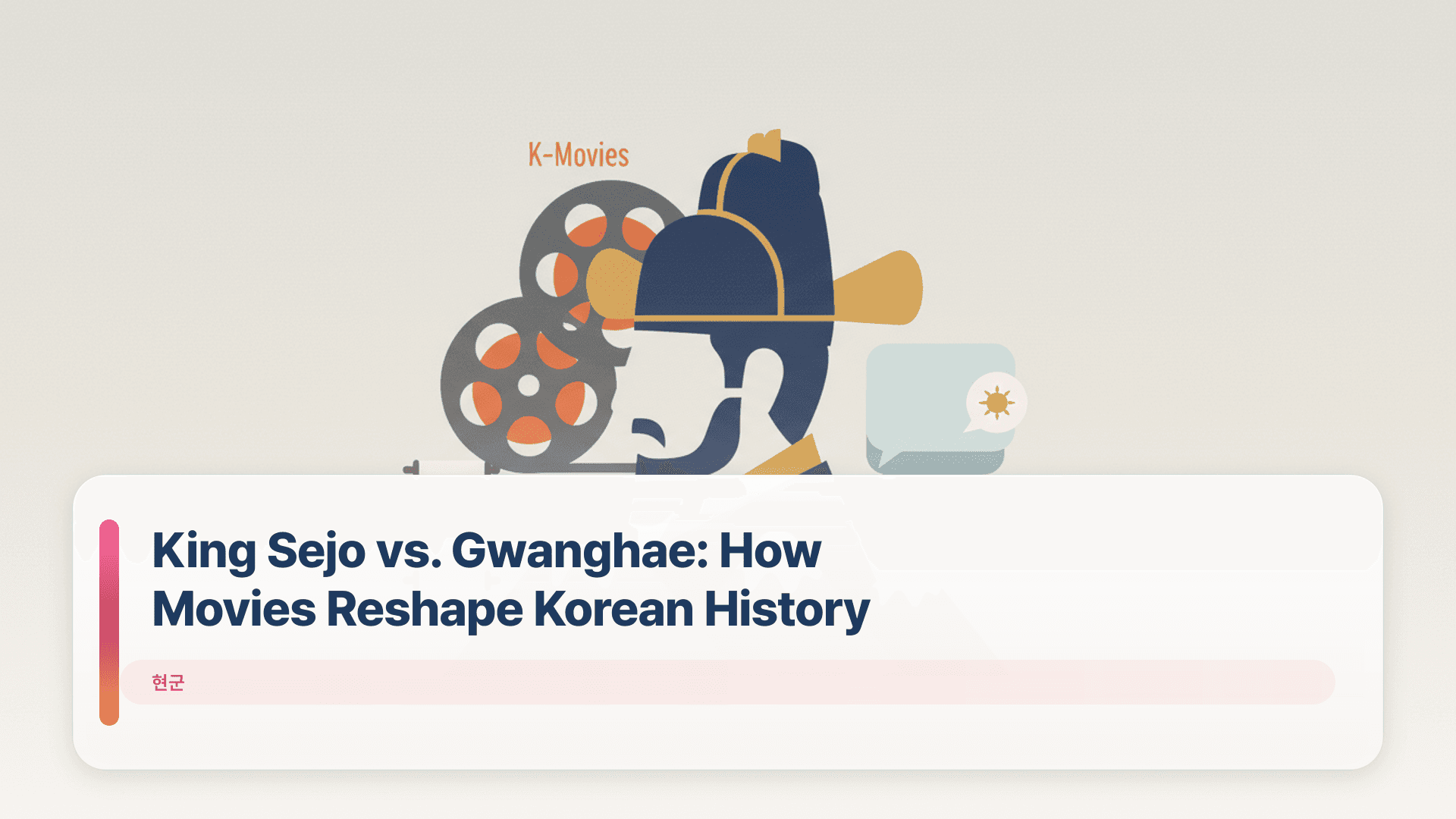
EN brief: [시간들] 세조는 폭군, 광해는 현군? 영화가 비틀어버린 역사 (culture) + 1 glossary term.
Historical perception in South Korea is undergoing a fascinating shift, largely driven by the power of modern cinema. Figures once cemented in textbooks as either 'villains' or 'heroes' are being re-examined through a more nuanced, and sometimes controversial, lens. This trend has sparked a wider conversation about the boundary between artistic license and historical accuracy.
Recent films and television dramas have moved away from the traditional black-and-white portrayals of Joseon Dynasty monarchs. By focusing on the human vulnerabilities and political pressures these kings faced, filmmakers are challenging the long-standing reputations of figures like King Sejo and King Gwanghaegun. This phenomenon suggests that for many Koreans, the 'truth' of history is becoming increasingly fluid.
Critics argue that while these creative interpretations make history more accessible and engaging for younger generations, they also risk distorting factual records. The popularity of 'faction' (fact + fiction) reflects a societal desire to find contemporary relevance in the past. However, it also raises questions about how much influence pop culture should have over national heritage.
Ultimately, the debate highlights a vibrant cultural landscape where the past is not just a collection of dates, but a living narrative. As movies continue to 'twist' history, they invite audiences to look beyond the surface of traditional chronicles and consider the complexities of power and legacy.
The CPA News report examines how the Korean public's view of history is being reshaped by the entertainment industry. Traditionally, King Sejo was widely regarded as a 'tyrant' (폭군) due to his bloody usurpation of the throne from his nephew, Danjong. Conversely, King Gwanghaegun was often dismissed as a failed ruler. However, modern cinematic works like 'The Face Reader' and 'Masquerade' have flipped these narratives, presenting Sejo as a charismatic, albeit ruthless, leader and Gwanghae as a tragic, visionary 'wise king' (현군).
This shift is not merely about changing a few character traits; it represents a fundamental change in how historical 'greatness' is defined. In 'Masquerade' (Gwanghae: The Man Who Became King), the protagonist is depicted as a ruler who truly cares for the common people, a portrayal that resonated deeply with modern audiences seeking empathetic leadership. This cinematic success led to a broader re-evaluation of Gwanghaegun's diplomatic achievements and domestic reforms, which were previously overshadowed by his deposition.
On the other hand, the portrayal of King Sejo has evolved from a simple villain to a complex political strategist. While his violent rise to power is not ignored, films often emphasize his administrative competence and the stability he brought to the Joseon state. This 'revisionist' approach allows viewers to contemplate whether the ends justify the means in the context of nation-building, a theme that remains relevant in modern political discourse.
However, historians express concern that the line between 'fact' and 'fiction' is becoming dangerously blurred. When a movie becomes the primary source of historical knowledge for the public, the nuanced reality of the past can be lost. The article notes that while these films are masterpieces of storytelling, they are products of their time, reflecting the values and anxieties of 21st-century Korea rather than the actual 15th or 17th centuries. The 'twisted' history on screen serves as a mirror to our own society's desires for leadership and justice.
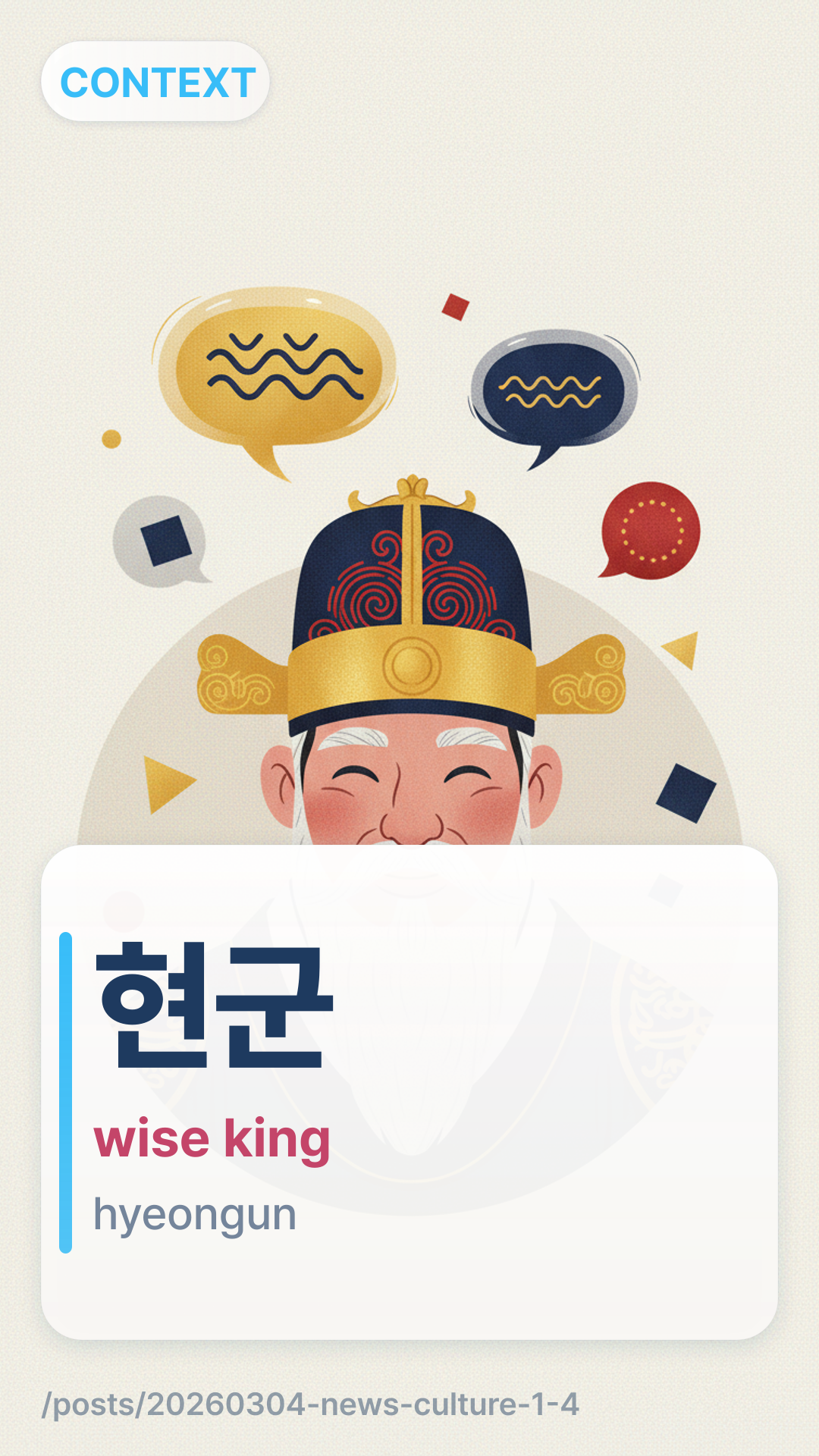
In the context of Korean history and leadership, 현군hyeongun (hyeongun) refers to a 'wise and virtuous king.' It is the opposite of a tyrant or an incompetent ruler. While historically reserved for those who followed Confucian ideals perfectly, modern media uses it to describe leaders who prioritize the welfare of the people over political dogma.
그는 백성들을 진심으로 아끼는 현군이었다.geuneun baekseongdeureul jinsimeuro akkineun hyeongunieotda. — He was a wise king who truly cared for his people.
역사학자들은 광해군이 진정한 현군이었는지에 대해 토론한다.yeoksahakjadeureun gwanghaeguni jinjeonghan hyeongunieotneunjie daehae toronhanda. — Historians debate whether King Gwanghaegun was a truly wise king.