만약에 우리: Regret and Hope in Cinema and Life
Explore the emotional depth of '만약에 우리' and how cinema reflects our deepest regrets and future hopes. Learn this essential cultural phrase.

Explore the emotional depth of '만약에 우리' and how cinema reflects our deepest regrets and future hopes. Learn this essential cultural phrase.
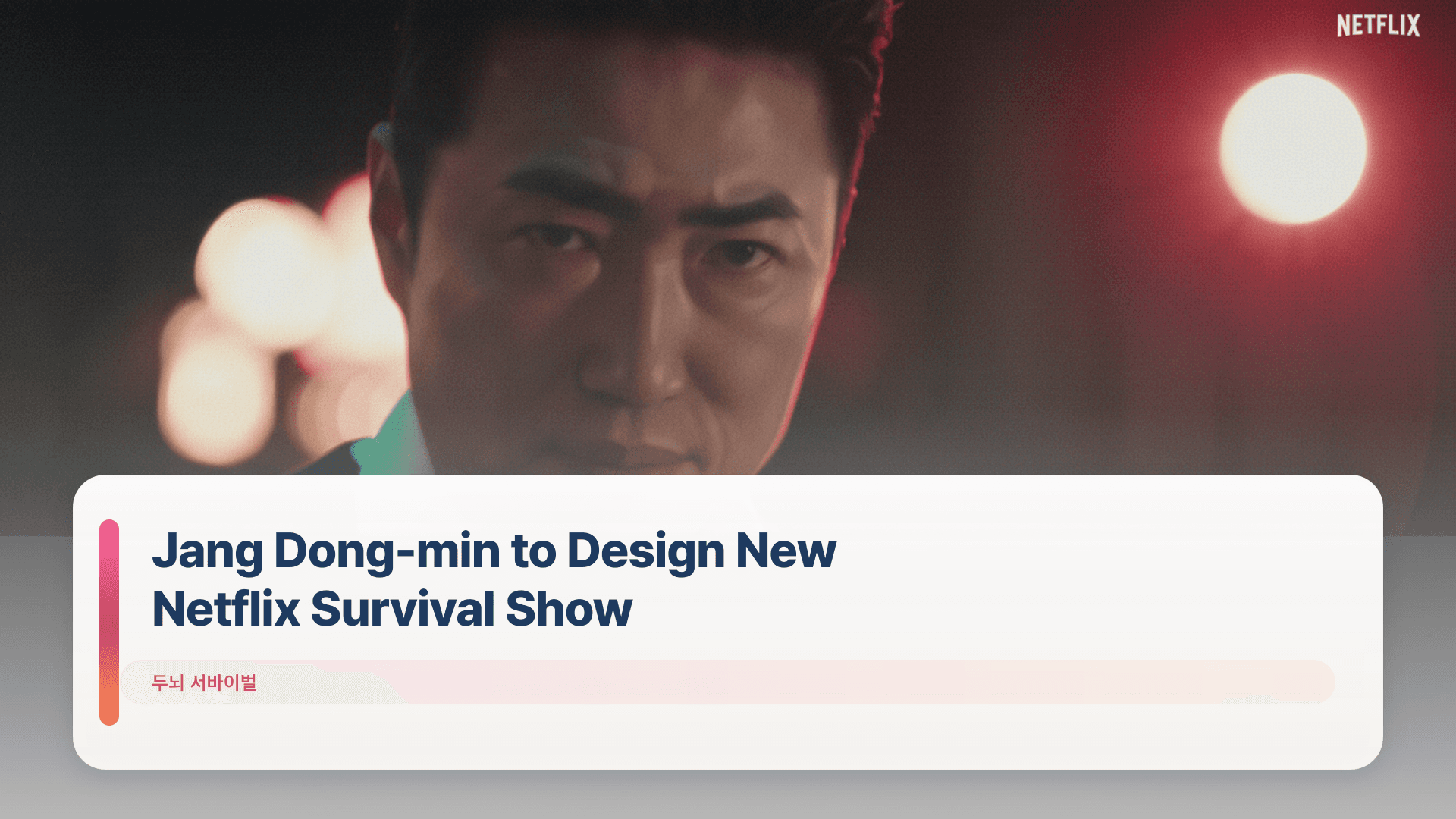
Comedian Jang Dong-min joins forces with 'Blood Game' PD for a new Netflix brain survival series. Discover the latest in K-entertainment!
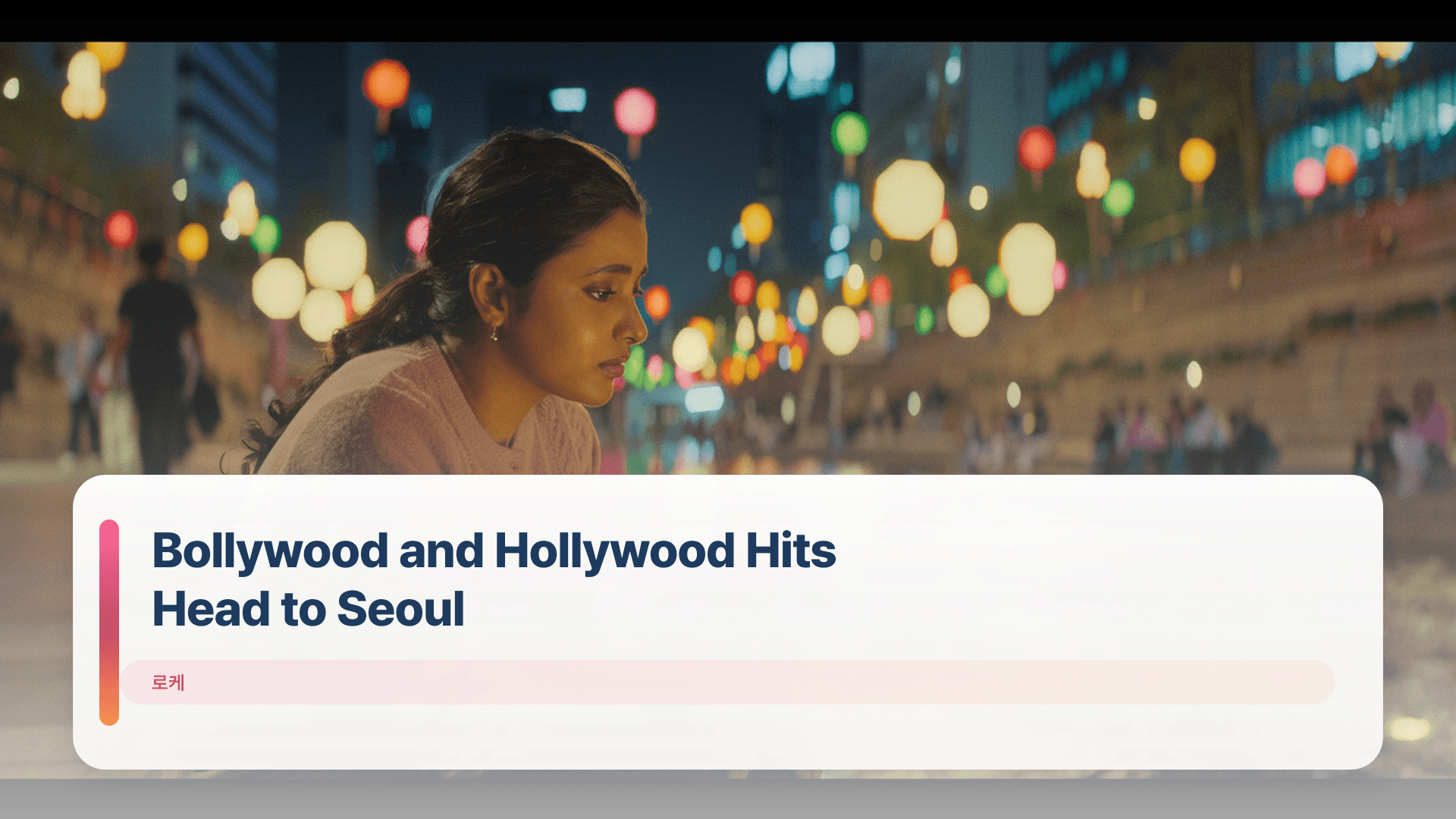
Discover how global hits like 'Made in Korea' and 'XO, Kitty' are turning Seoul into a primary filming location. Learn the term 로케.
Discover the controversy over AI companies accessing public health data in Korea. Learn the meaning of 비정형데이터 (unstructured data).

Discover how the Seoul Cinema Center and local Eulji-myeongbo merchants are collaborating to revitalize the historic Chungmuro film district.
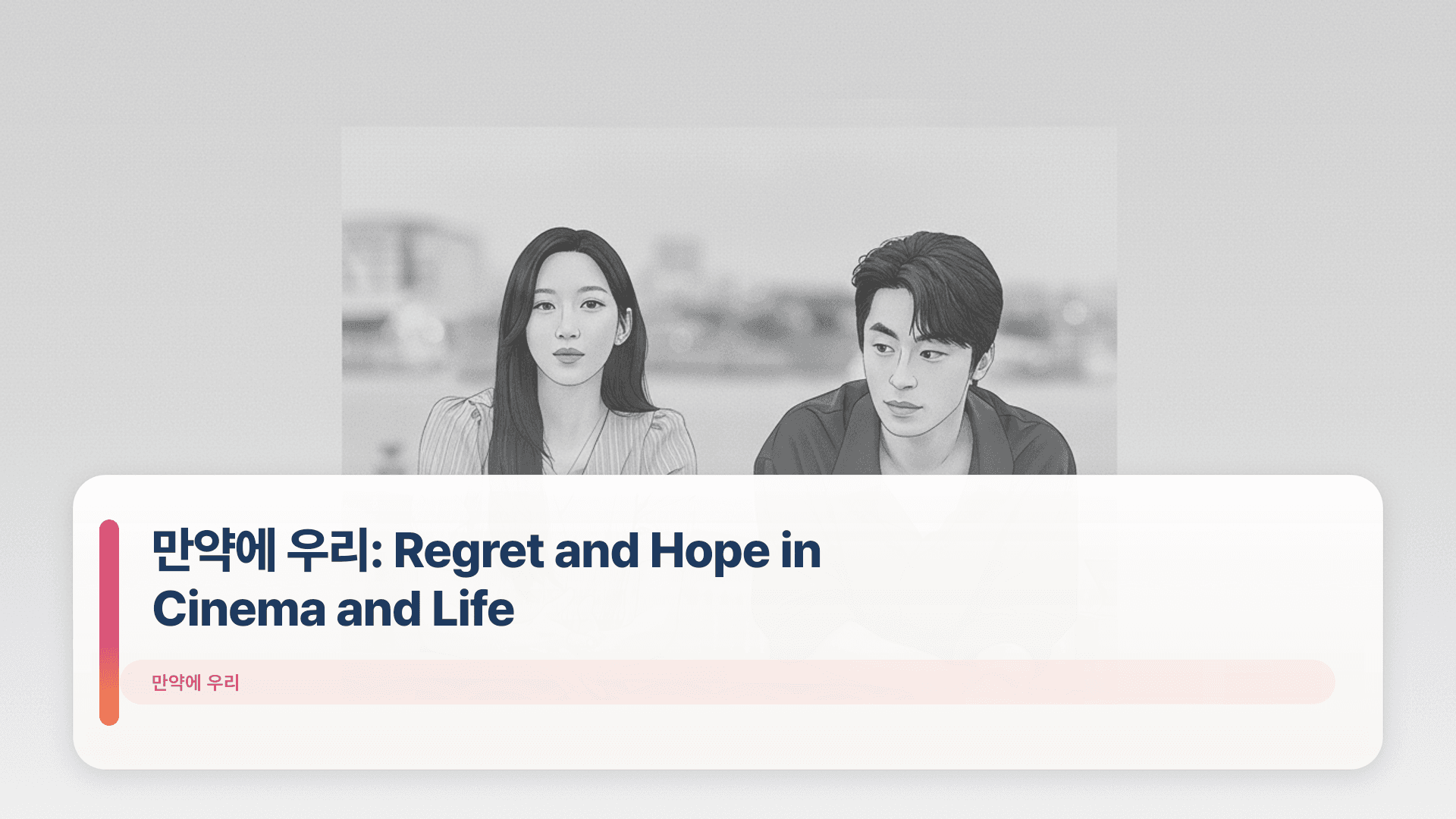
EN brief: "만약에 우리"…미련과 후회 그리고 '기대'[영화in보험산책] (culture) + 1 glossary term.
The phrase "만약에 우리" (What if we...) serves as a poignant starting point for reflecting on the human condition, specifically the lingering feelings of regret and the persistent nature of hope. In the context of contemporary Korean culture and cinema, this expression often encapsulates the 'what ifs' that haunt individuals after a breakup or a missed opportunity.
Recent cultural discussions have linked these cinematic themes to the practicalities of life, such as insurance and future planning. The idea is that while we cannot change the past 'what ifs,' we can prepare for the future ones. This intersection of art and reality highlights how Koreans view emotional resilience.
Cinema often acts as a mirror for these internal monologues. By watching characters navigate their regrets, audiences find a sense of catharsis and a way to process their own 'what if' scenarios. It is a shared emotional experience that transcends the screen.
Ultimately, the transition from regret to expectation is a key theme. While the phrase starts with a look backward, it often ends with a look forward, questioning how one might live differently if given another chance or how to protect the 'us' that still exists in the future.
The Korean media outlet News1 recently explored the thematic weight of the phrase "만약에 우리" within the framework of their "Cinema in Insurance" series. The article discusses how movies often utilize the concept of lingering attachment (미련) and regret (후회) to connect with viewers. These emotions are not just plot devices but are deeply rooted in the collective psyche of an audience that frequently ponders alternative versions of their lives.
The narrative suggests that the phrase "What if we..." is a double-edged sword. On one hand, it represents the pain of looking back at a relationship or a decision that didn't go as planned. On the other hand, it represents 'expectation' (기대)—the hope that things could be better next time. The article uses this emotional arc to segue into the importance of being prepared for life's uncertainties, much like how one might prepare for the 'what ifs' of health or financial stability.
While the original article does not name a specific single movie as the sole focus, it treats the phrase as a recurring motif in the romance and drama genres. It emphasizes that the 'insurance' aspect of the discussion is a metaphor for emotional and physical safeguards. By acknowledging our regrets, we are better equipped to handle future expectations.
This cultural commentary reflects a broader trend in Korea where media outlets bridge the gap between entertainment and lifestyle advice. By analyzing the lyrics of a song or the title of a film like "만약에 우리," they provide readers with a relatable way to think about serious topics like long-term planning and emotional well-being.
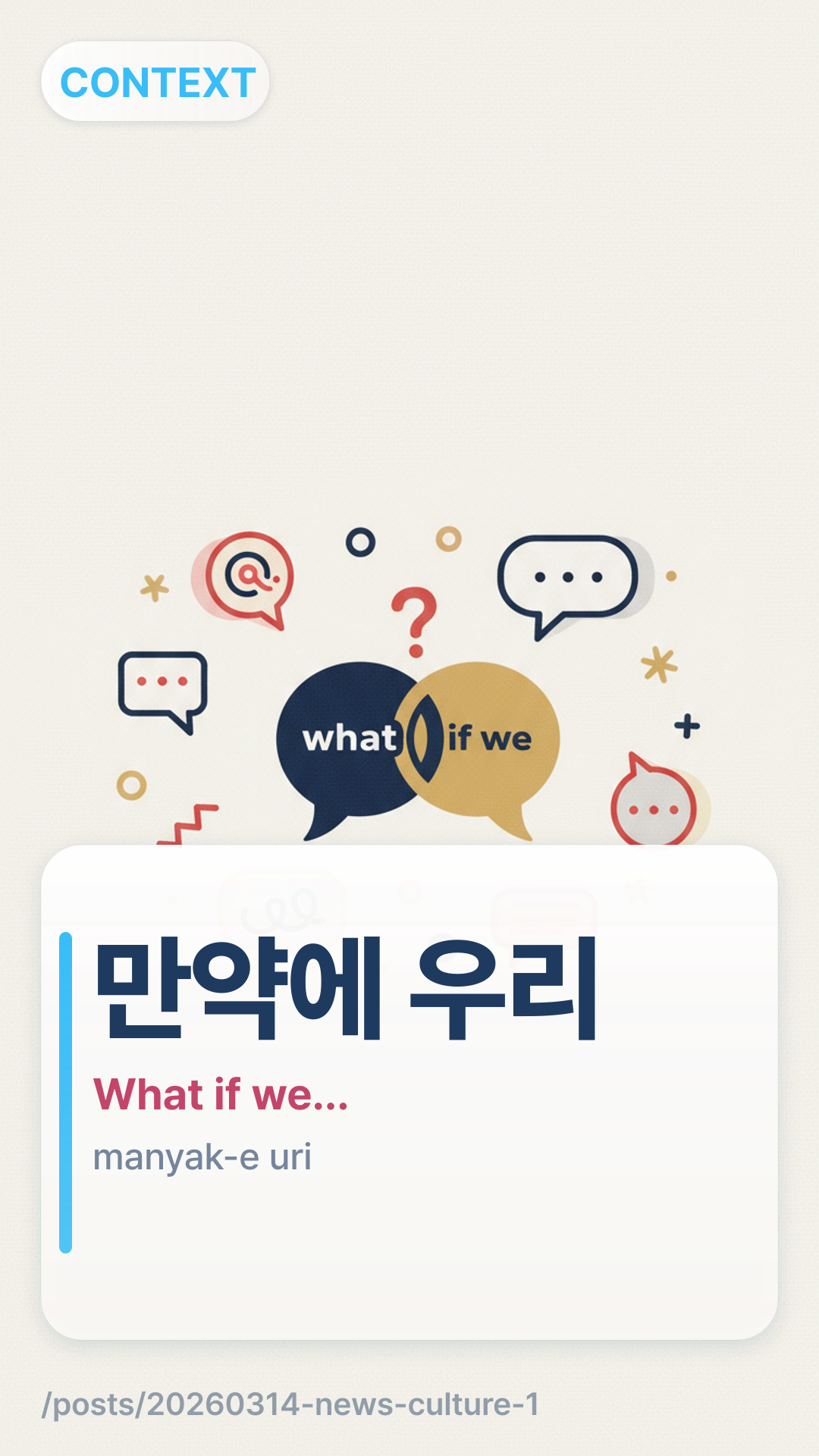
This phrase translates to "What if we..." and is used to introduce a hypothetical situation, usually one filled with regret or longing for a different outcome in a relationship.
만약에 우리 그때 헤어지지 않았다면 어땠을까?manyage uri geuttae heeojiji anhatdamyeon eottaesseulkka? — What if we hadn't broken up back then?
만약에 우리 다시 만나면 꼭 하고 싶은 말이 있어.manyage uri dasi mannamyeon kkok hago sipeun mari isseo. — If we ever meet again, there is something I really want to tell you.