
Lv.1
U
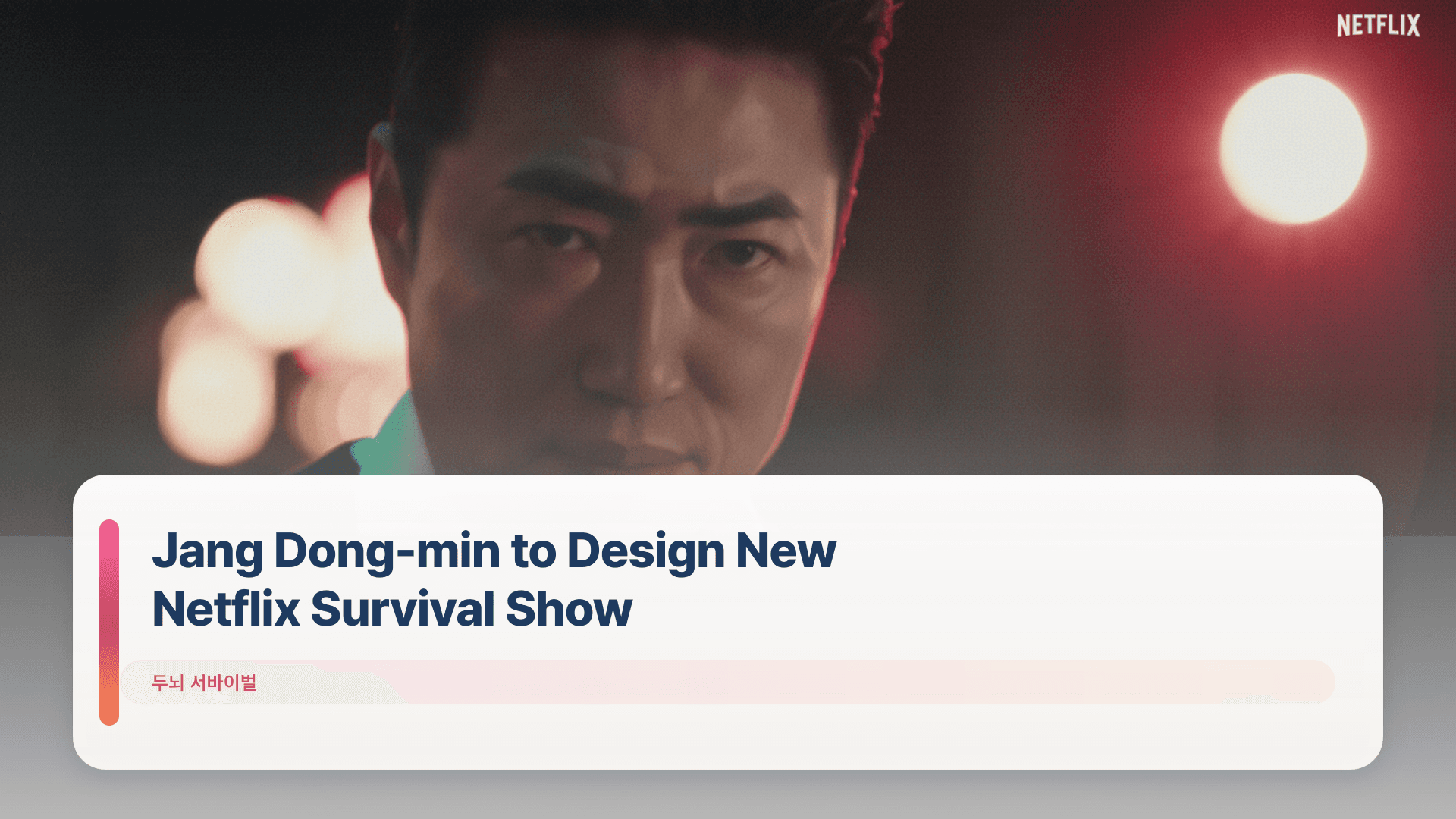
Comedian Jang Dong-min joins forces with 'Blood Game' PD for a new Netflix brain survival series. Discover the latest in K-entertainment!
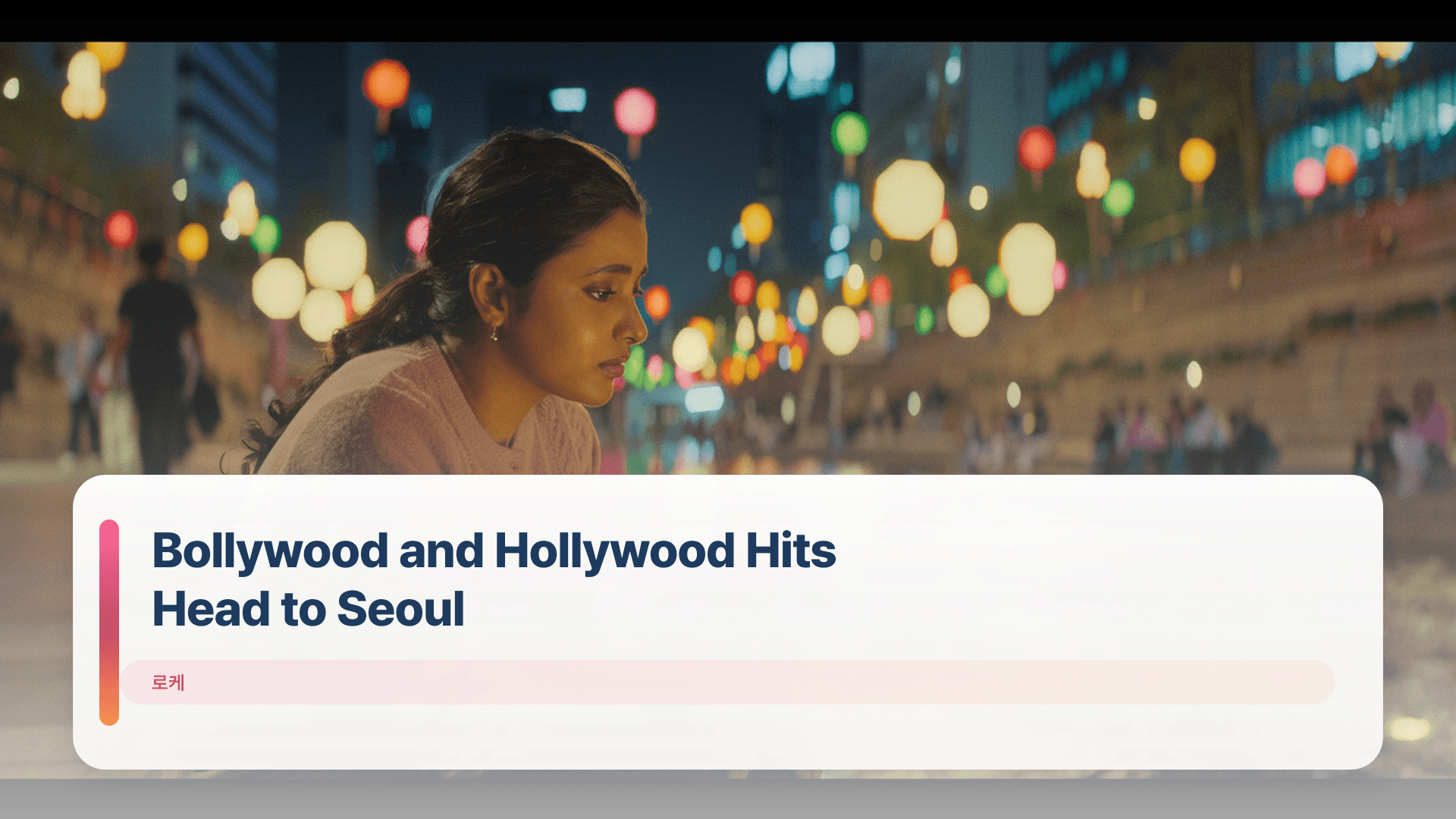
Discover how global hits like 'Made in Korea' and 'XO, Kitty' are turning Seoul into a primary filming location. Learn the term 로케.
Discover the controversy over AI companies accessing public health data in Korea. Learn the meaning of 비정형데이터 (unstructured data).

Discover how the Seoul Cinema Center and local Eulji-myeongbo merchants are collaborating to revitalize the historic Chungmuro film district.
EN brief: 넷플릭스 中서 서비스 안하는데…'월간남친' 불법시청 논란 (culture) + 1 glossary term.
Recent reports indicate that the Netflix original series 'Mr. Plankton' (known in some regions by titles related to 'Monthly Boyfriend' tropes) has gained massive popularity in China. This is particularly noteworthy because Netflix does not officially provide streaming services within mainland China due to strict domestic regulations.
Despite the lack of official access, the show has climbed search rankings on major Chinese social media platforms like Weibo. Fans are sharing clips, reviews, and character analyses, creating a massive online discourse around the lead actors and the plot.
This phenomenon has reignited the long-standing debate regarding the unauthorized distribution of South Korean cultural content. While the popularity reflects the high demand for K-dramas, it also highlights the systemic issues of piracy that creators face in markets where official distribution is restricted.
Korean media outlets are closely monitoring the situation, as the 'illegal viewing' trend continues to grow with every major Netflix release. The situation remains a complex mix of cultural soft power and intellectual property challenges.
According to reports from Yonhap News and the Korean Center, the drama 'Mr. Plankton' has become a 'hot topic' across Chinese social media. Even though the Great Firewall of China prevents direct access to Netflix, the series has managed to find a massive audience through various unofficial channels.
On platforms like Weibo, hashtags related to the show's lead actors have garnered millions of views. Many users are discussing the emotional depth of the story and the 'boyfriend material' vibes of the protagonist, leading to the nickname 'Monthly Boyfriend' (월간남친) trending in fan circles.
However, the South Korean industry is expressing concern because this viewership does not translate into official revenue or accurate data for the production teams. Since there is no legal way to watch Netflix in China, the entirety of this 'craze' is built upon pirated files and illegal streaming sites.
This is not the first time this has happened; previous hits like 'The Glory' and 'Squid Game' faced similar issues. The article notes that while the Chinese government occasionally cracks down on piracy sites, new ones appear almost instantly to satisfy the local demand for high-quality Hallyu content.
Currently, there are no official diplomatic or commercial solutions in place to bridge this gap. The production companies are left in a bittersweet position where their work is loved by millions, yet they cannot legally protect or monetize that success in the Chinese market.
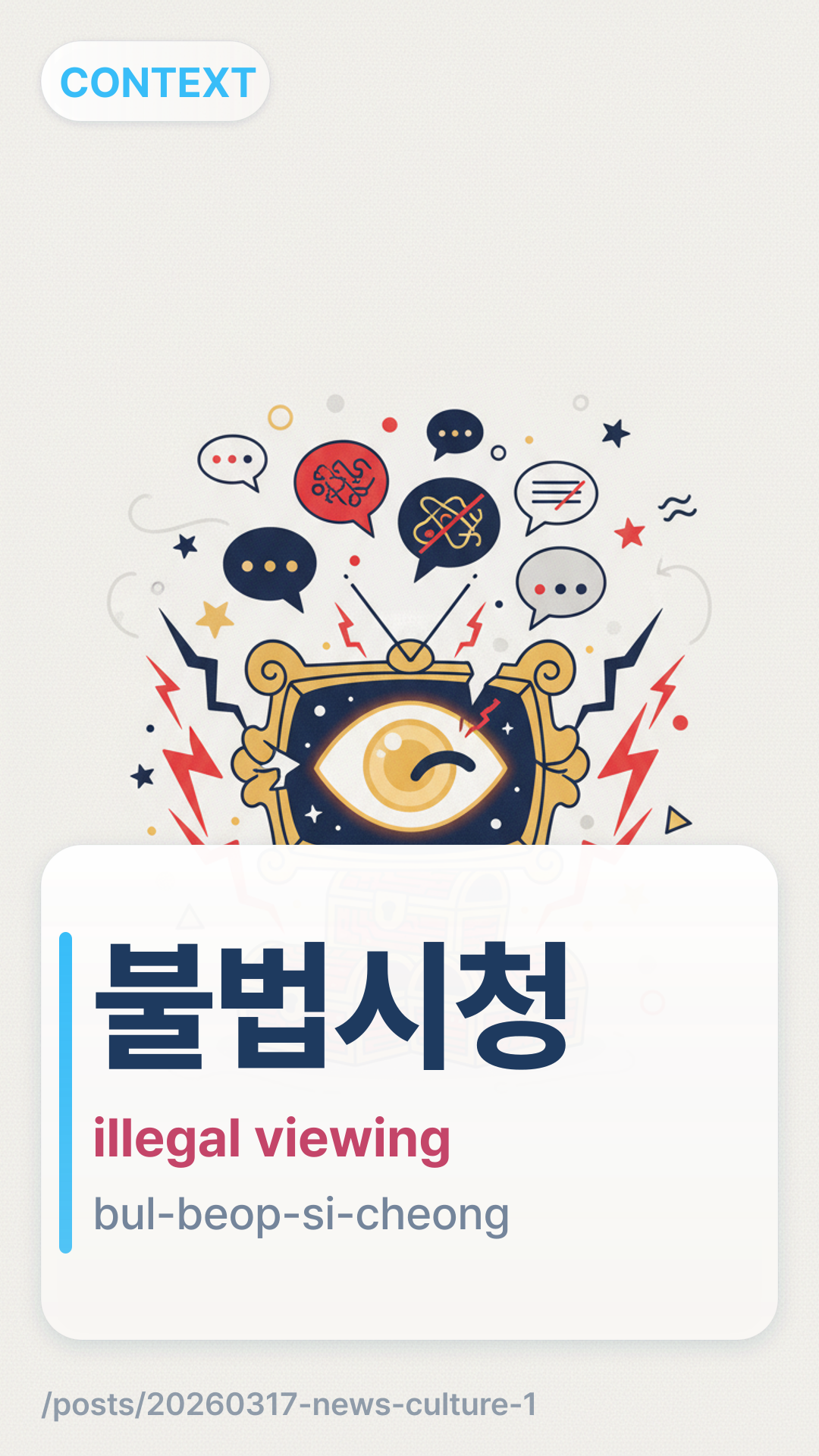
불법시청bulbeopsicheong (bul-beop-si-cheong) refers to 'illegal viewing' or 'unauthorized streaming.' It combines '불법' (illegal) and '시청' (viewing/watching). This term is frequently used in news reports discussing piracy and copyright infringement in the digital age.
그는 드라마를 불법시청으로 봤다.geuneun deuramareul bulbeopsicheoeuro bwatda. — He watched the drama through illegal viewing.
불법시청은 창작자에게 피해를 줍니다.bulbeopsicheoeun changjakjaege pihaereul jupnida. — Illegal viewing causes harm to creators.