EN brief: [최원섭의 불교, K-드라마로 만나다] 변하지 않는 ‘나’는 없다 (culture) + 1 glossary term.
Summary
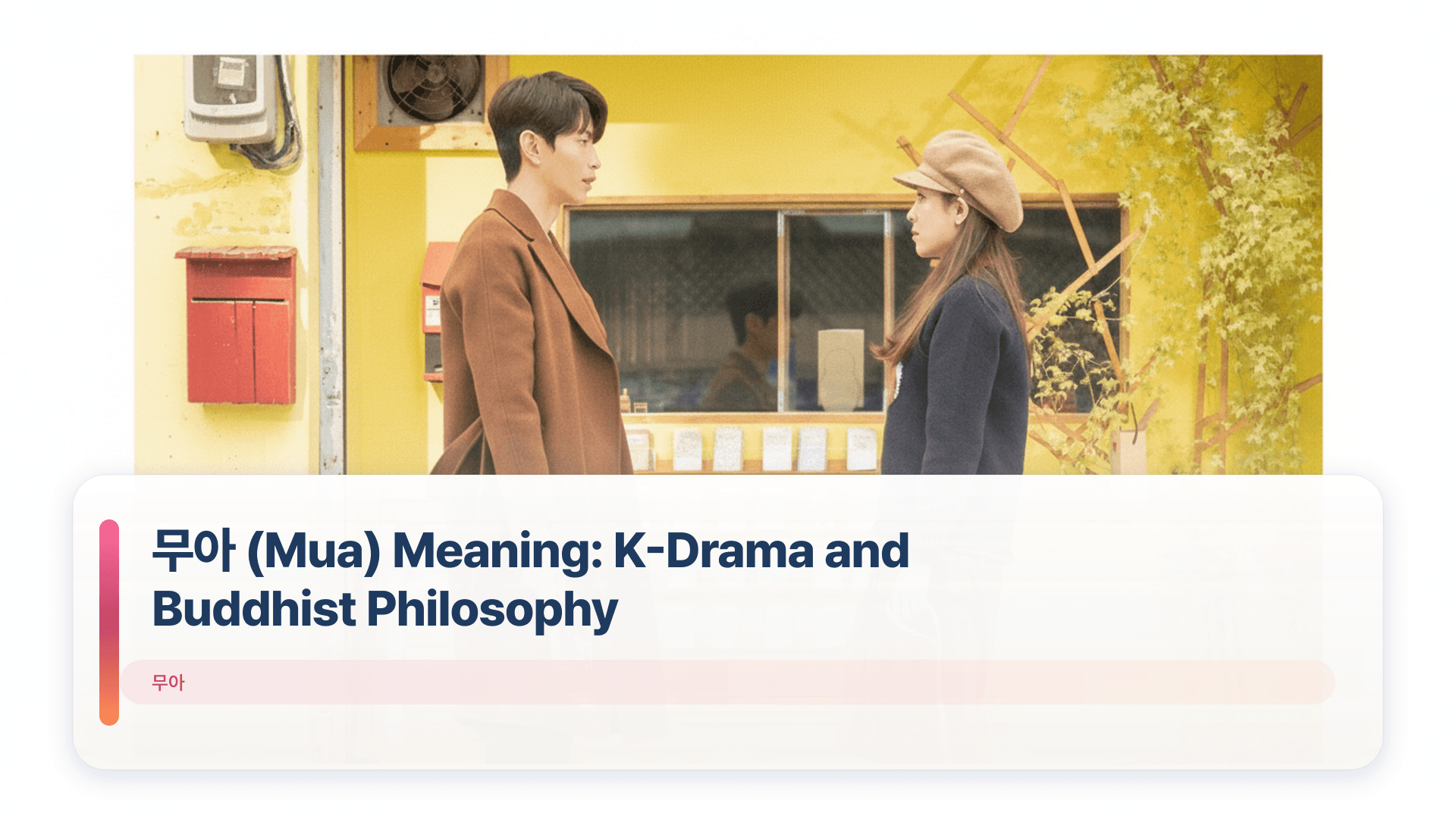
A recent cultural analysis by Choi Won-seop for Hyundai Bulgyo explores the intersection of Buddhist philosophy and modern storytelling in K-dramas. The core focus is the concept of 'Mua' (non-self), which suggests that there is no permanent, unchanging 'I' at the center of our existence.
The article argues that many popular Korean dramas resonate with audiences because they reflect the fluid nature of identity. Characters often undergo radical transformations, proving that who we were yesterday does not dictate who we must be today.
By examining these narrative arcs, the author bridges the gap between ancient spiritual teachings and contemporary media. This perspective offers viewers a deeper way to interpret character development beyond simple plot points.
Ultimately, the piece encourages readers to embrace the idea of constant change. Instead of clinging to a fixed identity, understanding 'Mua' can lead to greater personal freedom and empathy for others' evolving journeys.
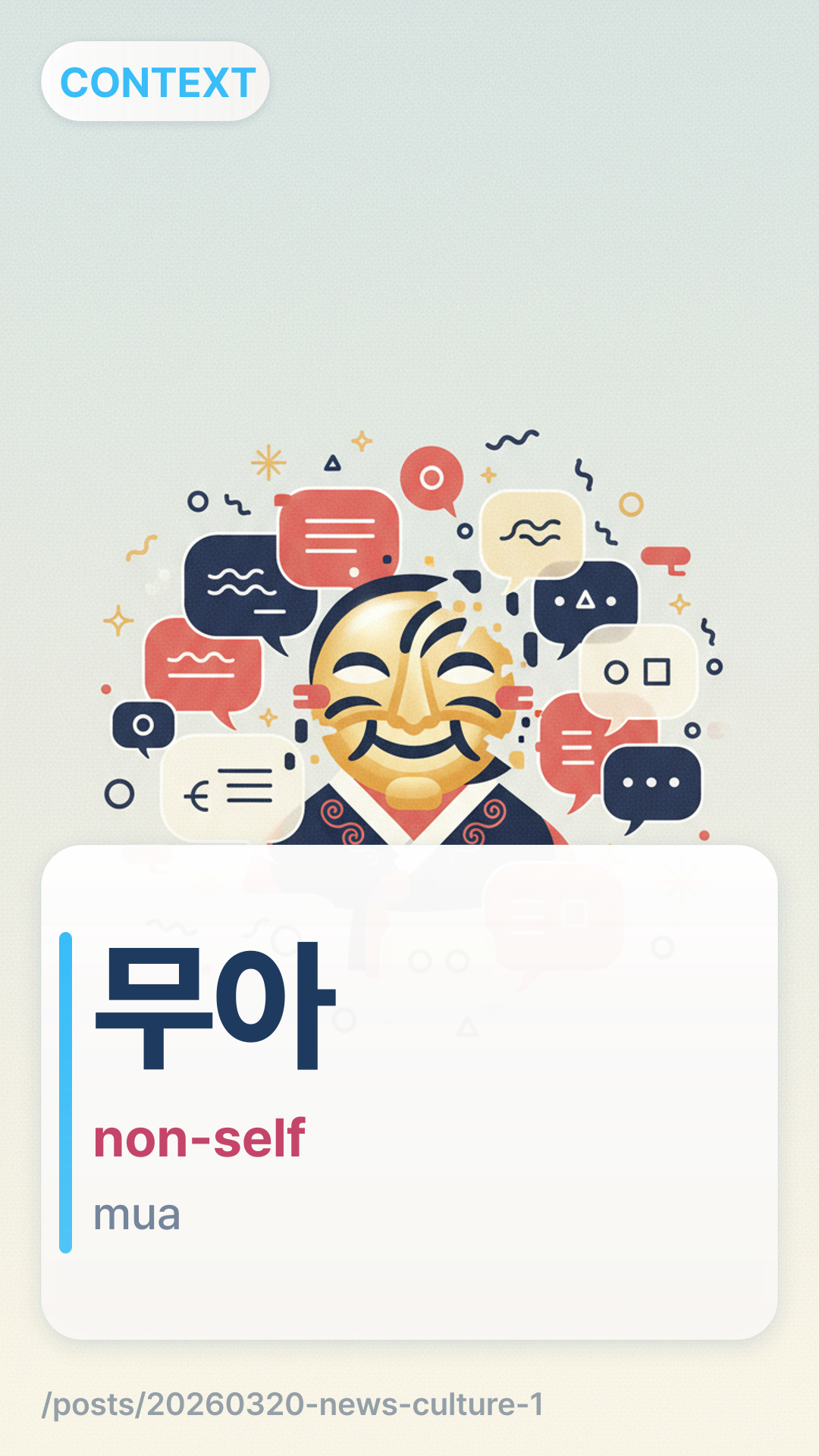
무아mua (Mua) refers to the Buddhist doctrine of 'non-self'—the idea that there is no permanent, unchanging soul or essence in living beings. In a modern context, it is used to describe the fluid and ever-changing nature of human identity.
The cultural column published by Hyundai Bulgyo delves into how K-dramas serve as a modern medium for Buddhist thought, specifically the principle of 'Anatta' or 'Mua'. The author, Choi Won-seop, posits that the emotional depth found in Korean television often stems from the characters' struggle with their own shifting identities and the realization that nothing is permanent.
In many hit series, protagonists face life-altering crises that strip away their social status, wealth, or previous personality traits. The article suggests that these moments are not just dramatic devices but are practical illustrations of the Buddhist teaching that the 'self' is a collection of changing conditions rather than a solid entity. When a character loses everything and finds a new path, they are essentially experiencing the reality of 'non-self'.
The narrative structure of K-dramas frequently emphasizes the interconnectedness of cause and effect (Karma) and the inevitability of change (Impermanence). By watching these stories, the audience subconsciously engages with the idea that holding onto a rigid version of oneself only leads to suffering. The author notes that this philosophical undercurrent is part of what makes K-dramas feel uniquely 'Korean' yet universally relatable.
While the article does not list specific drama titles in this particular installment, it focuses on the overarching 'archetype' of the transforming hero. It concludes that the popularity of such stories in Korea reflects a cultural comfort with the idea that life is a series of deaths and rebirths of the ego. Understanding this can help international fans appreciate the spiritual 'DNA' embedded in their favorite shows.
Context
'Mua' (無我) is a fundamental Buddhist concept often translated as 'non-self' or 'egolessness'.
Hyundai Bulgyo is a specialized media outlet in South Korea focusing on Buddhist news, culture, and philosophy.
K-dramas frequently use themes of reincarnation, redemption, and radical character growth, which align closely with East Asian philosophical traditions.
우리는 매 순간 변하기 때문에 무아의 상태에 있다.urineun mae sungan byeonhagi ttaemune muaui sangtaee itda. — Because we change every moment, we are in a state of non-self.
드라마 속 주인공의 변화는 무아의 가르침을 보여준다.deurama sok juingoui byeonhwaneun muaui gareuchimeul boyeojunda. — The transformation of the protagonist in the drama shows the teachings of non-self.
무아의 경지에 도달하다.
muaui gyeongjie dodalhada.
To reach the state of non-self.
그는 무아지경에서 춤을 추었다.
geuneun muajigyeoeseo chumeul chueotda.
He danced in a state of total self-forgetfulness (trance).