Simplified Health Checks for Radiation Workers in Korea
Korea streamlines radiation worker health checks by unifying blood test items across medical and veterinary sectors. Learn about the new '건강진단' rules.

Korea streamlines radiation worker health checks by unifying blood test items across medical and veterinary sectors. Learn about the new '건강진단' rules.
Comedian Jang Dong-min joins forces with 'Blood Game' PD for a new Netflix brain survival series. Discover the latest in K-entertainment!

Discover how global hits like 'Made in Korea' and 'XO, Kitty' are turning Seoul into a primary filming location. Learn the term 로케.
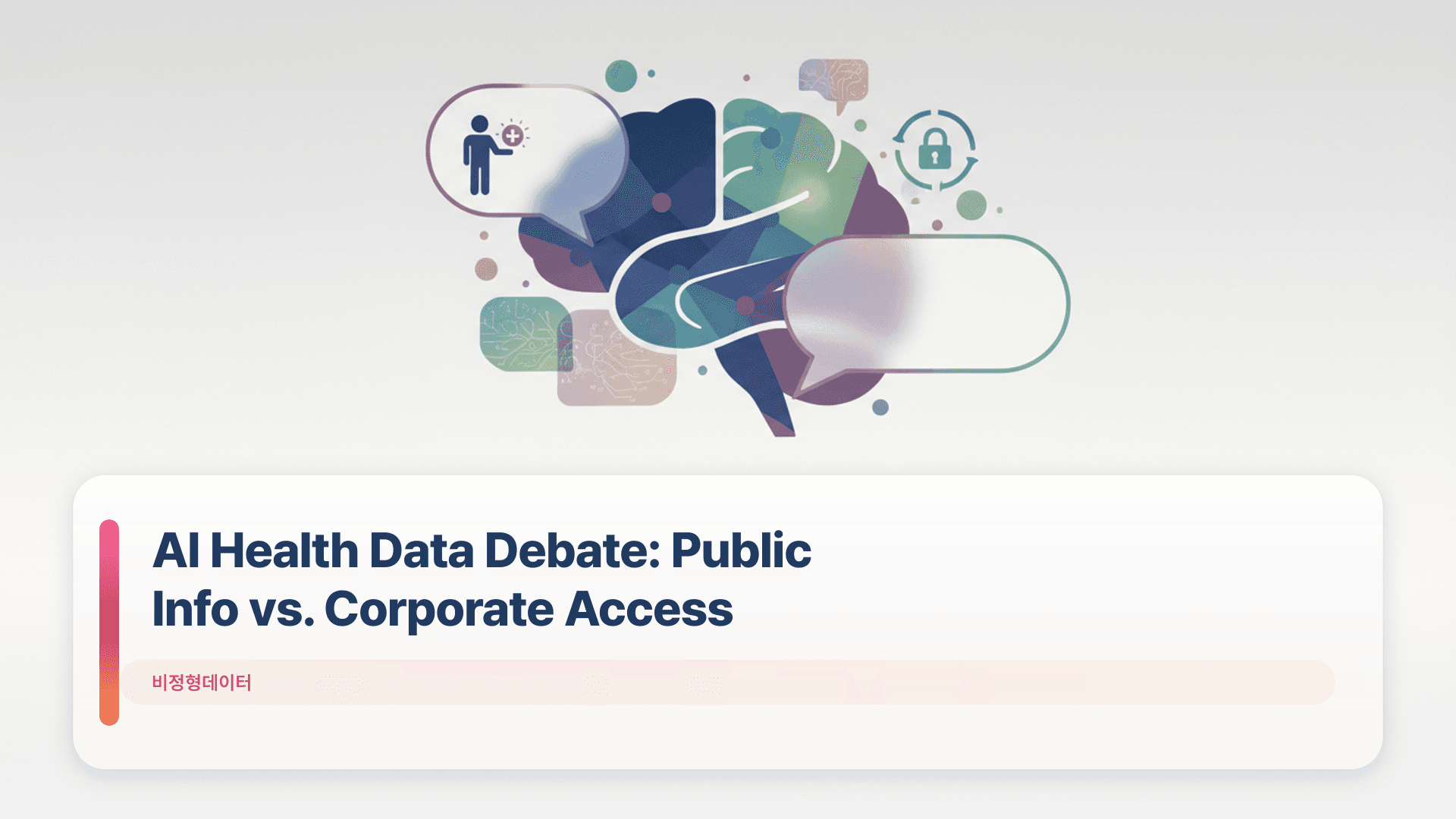
Discover the controversy over AI companies accessing public health data in Korea. Learn the meaning of 비정형데이터 (unstructured data).

Discover how the Seoul Cinema Center and local Eulji-myeongbo merchants are collaborating to revitalize the historic Chungmuro film district.
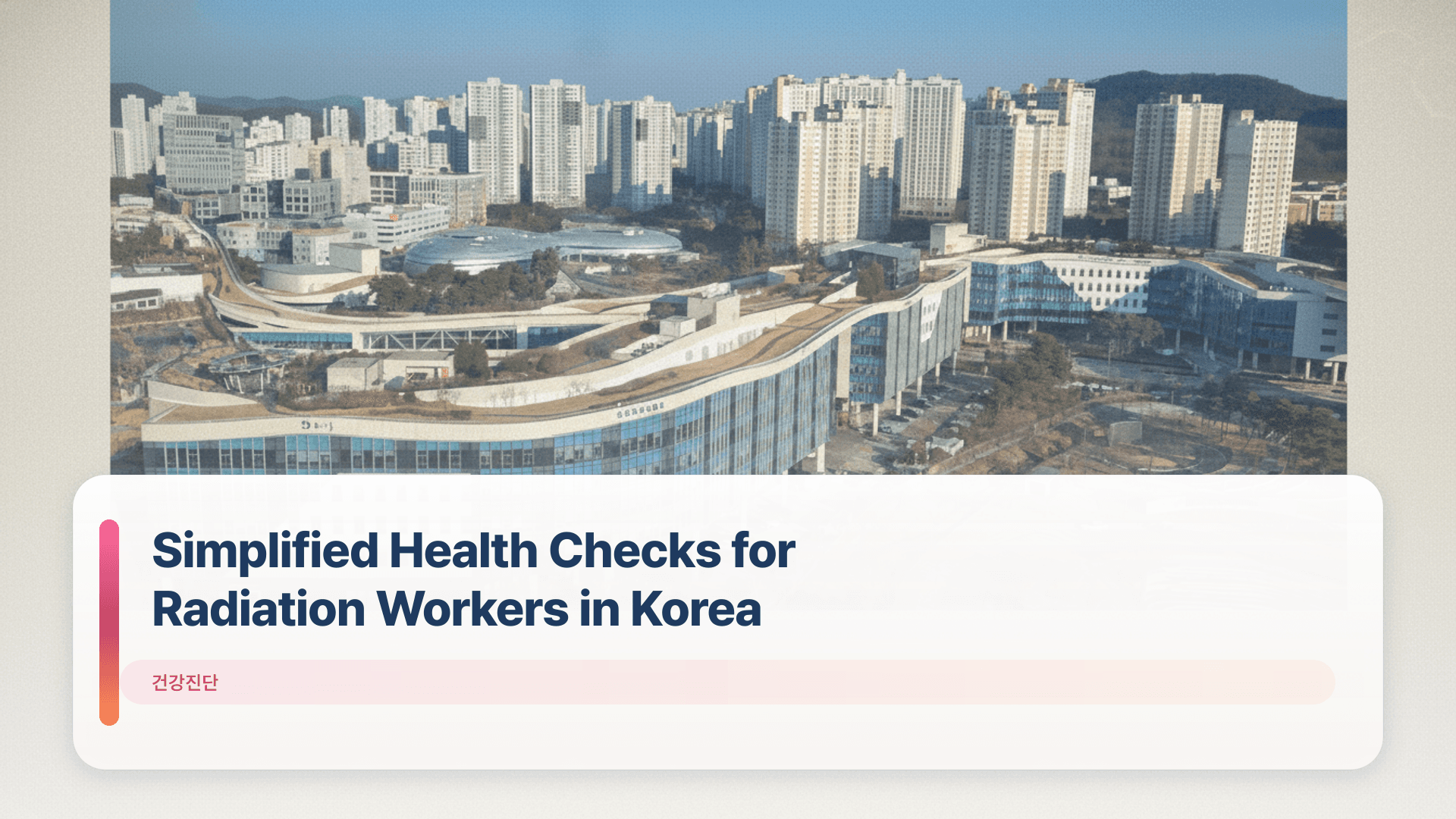
EN brief: 방사선 종사자 건강진단, 혈액검사 항목 통일로 간소화 (it-life) + 1 glossary term.
South Korean authorities have announced a significant administrative change to the health examination process for professionals working with radiation. Previously, the specific requirements for blood tests varied depending on whether the individual worked in a general hospital, a veterinary clinic, or other industrial sites. This discrepancy often led to redundant testing when workers changed jobs.
Starting soon, the blood test items will be unified into a single standard. This move is designed to reduce the physical and financial burden on workers while improving the administrative efficiency of health records. The change involves cooperation between several major government branches to ensure the safety of those handling X-ray equipment.
By standardizing these medical checks, the government aims to create a more seamless transition for workers moving between different types of medical institutions. It also ensures that health data can be shared and recognized across different regulatory bodies without the need for repeat procedures.
This update reflects a broader effort in Korea to modernize occupational safety regulations and remove unnecessary bureaucratic hurdles for specialized medical staff.
On March 22, 2026, the Nuclear Safety and Security Commission, the Ministry of Health and Welfare, and the Ministry of Agriculture, Food and Rural Affairs jointly announced a plan to harmonize health examination standards for radiation-related workers. The core of this amendment is the unification of blood test items, which have historically been fragmented across different laws.
Under the current system, medical doctors and technicians handling diagnostic radiation devices are governed by the Medical Act. Meanwhile, veterinarians and staff at animal hospitals follow the Veterinary Surgeons Act, and those handling other types of radiation devices fall under the Nuclear Safety Act. Because each law required slightly different blood parameters, a worker moving from a human hospital to a veterinary clinic was often forced to undergo a brand-new health check-up immediately.
The new amendment simplifies the blood test to four essential items: hemoglobin levels, white blood cell count, red blood cell count, and platelet count. By focusing on these key indicators of radiation exposure, the government ensures safety while eliminating the 'double-testing' nuisance that has long frustrated workers in the field.
Furthermore, the amendment includes a provision for mutual recognition of health check results between different ministries. This means a certificate issued under the Medical Act will now be valid for roles governed by the Nuclear Safety Act, and vice versa. This inter-departmental cooperation is expected to significantly boost work efficiency and worker convenience.
While the exact date for the full implementation depends on the finalization of the legislative process, the government expects the transition to be smooth. Officials stated that this measure is a crucial step in protecting the health of radiation workers while respecting their professional mobility.
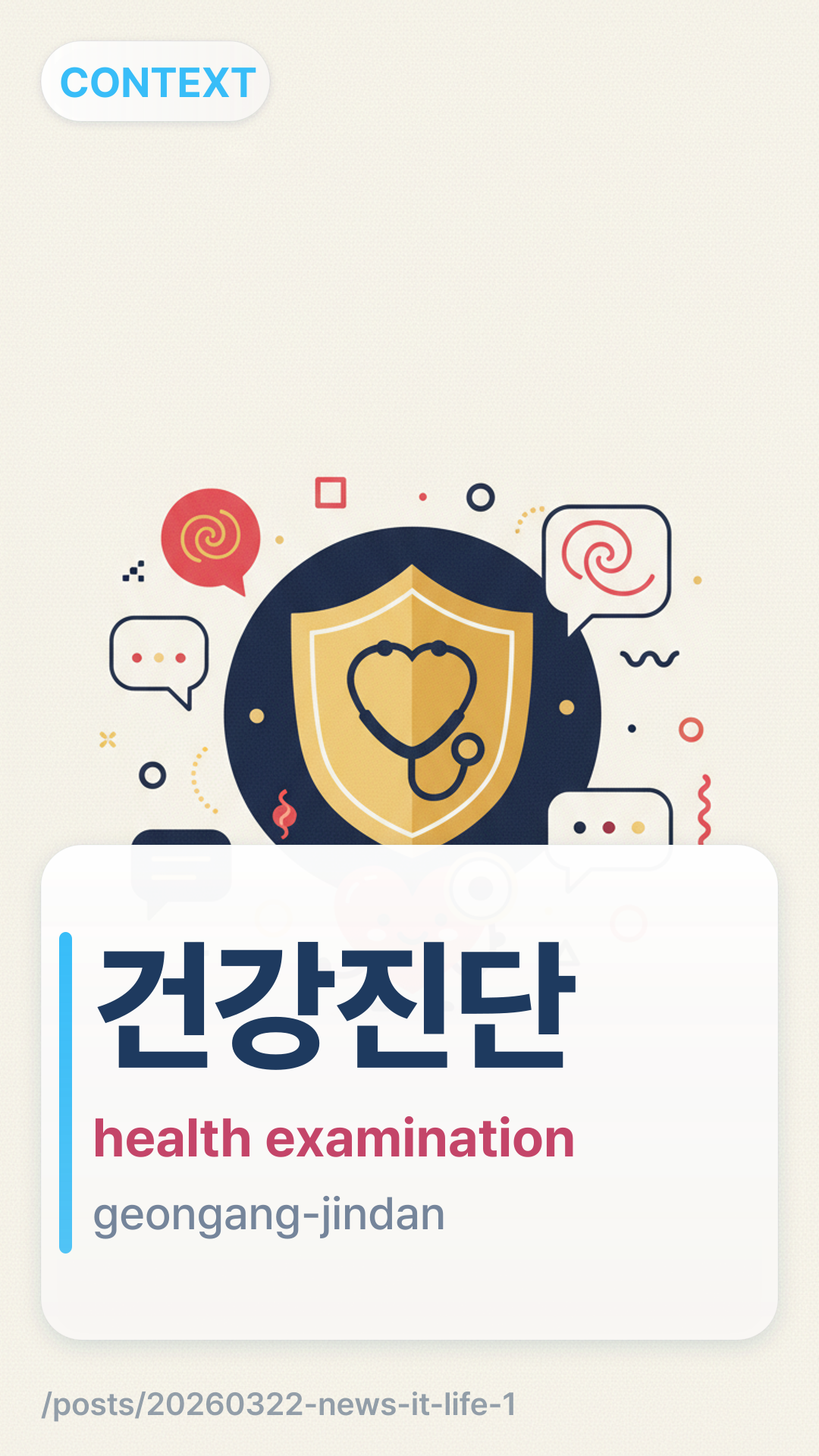
건강진단geongangjindan (Geongang-jindan) refers to a medical examination or health check-up, specifically those mandated by law or employers to assess a person's physical condition. In an occupational context, it is often a prerequisite for safety-sensitive roles.
취업 전에 건강진단을 받아야 해요.chwieop jeone geongangjindaneul badaya haeyo. — I need to get a health check-up before starting the job.
정기적인 건강진단은 질병을 예방합니다.jeonggijeogin geongangjindaneun jilbyeoeul yebanghapnida. — Regular health examinations prevent diseases.