물 권력: The Dystopian Reality of Water Power in Korea
Explore how 20th-century B-movies predicted today's climate crisis and the rise of 'water power' as a global survival tool. Discover more.

Explore how 20th-century B-movies predicted today's climate crisis and the rise of 'water power' as a global survival tool. Discover more.
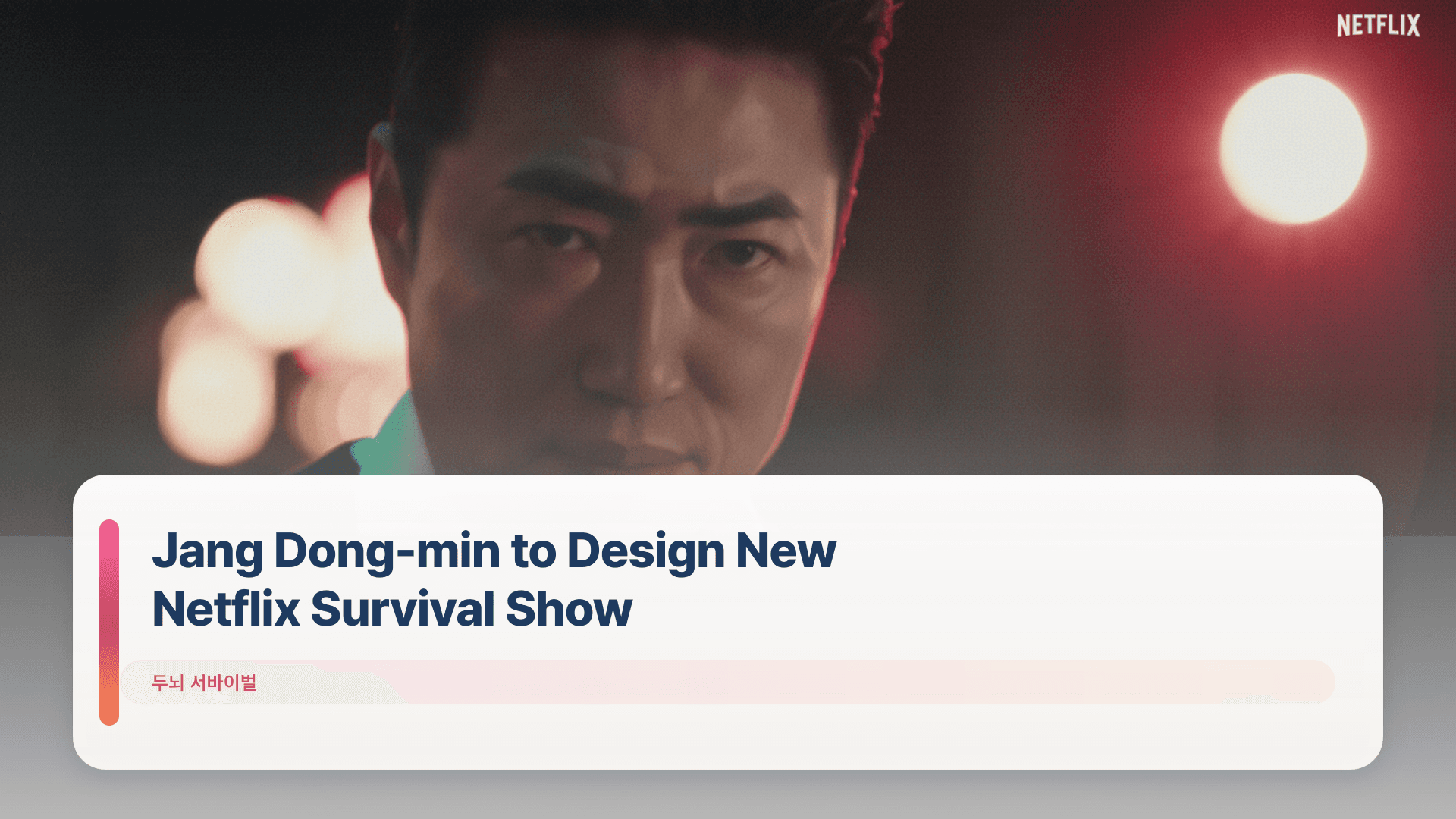
Comedian Jang Dong-min joins forces with 'Blood Game' PD for a new Netflix brain survival series. Discover the latest in K-entertainment!

Discover how global hits like 'Made in Korea' and 'XO, Kitty' are turning Seoul into a primary filming location. Learn the term 로케.
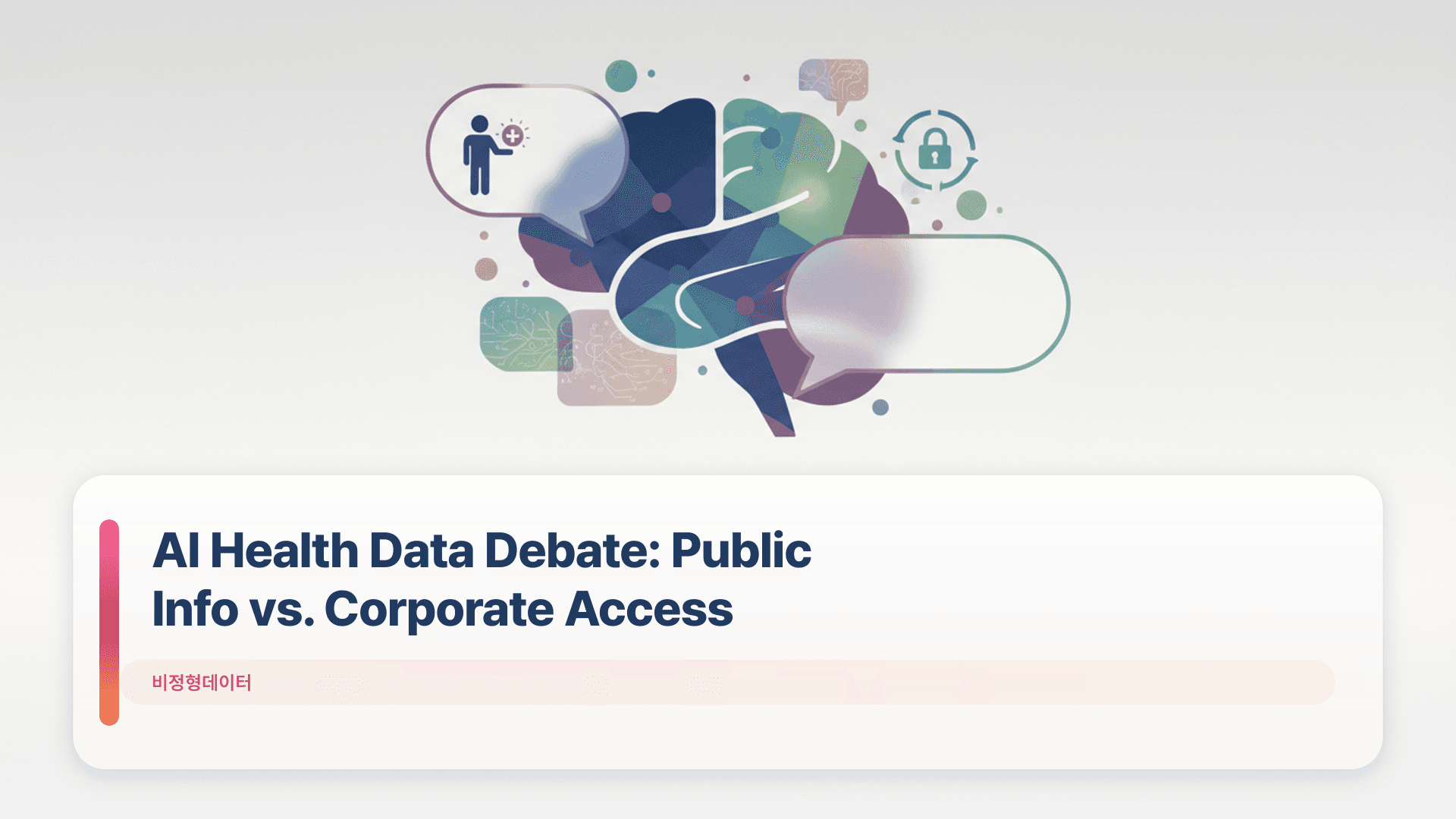
Discover the controversy over AI companies accessing public health data in Korea. Learn the meaning of 비정형데이터 (unstructured data).

Discover how the Seoul Cinema Center and local Eulji-myeongbo merchants are collaborating to revitalize the historic Chungmuro film district.
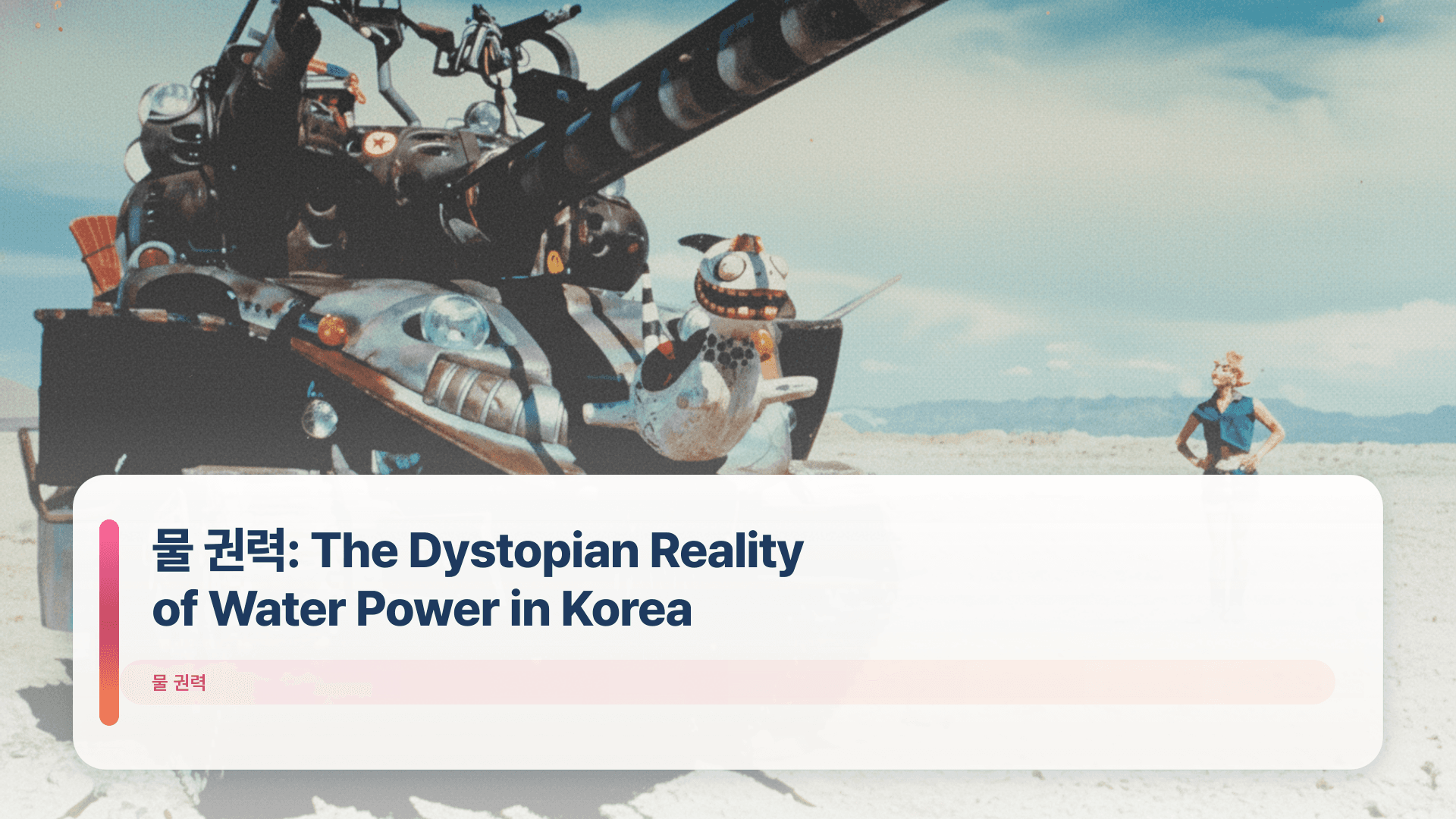
EN brief: 20세기 B급영화가 그린 '물 권력'…사막의 생명줄, 볼모가 되다 [황덕현의 기후 한 편] (culture) + 1 glossary term.
A recent cultural analysis by News1 explores how vintage B-movies from the 20th century accurately depicted a future where water becomes the ultimate source of political and social power. As climate change accelerates, these fictional scenarios of desertification and resource hoarding are becoming increasingly relevant to our modern reality.
The article highlights that in many dystopian films, water is no longer a basic right but a weapon used by the elite to control the masses. This "water power" defines the hierarchy of survival in a world where natural resources have been depleted by human negligence and environmental shifts.
By revisiting these cinematic tropes, the author suggests that we are moving toward a period where the "lifeline of the desert"—water—is being held hostage. The narrative serves as a grim reminder that the environmental warnings once relegated to low-budget sci-fi are now pressing global concerns.
Ultimately, the piece calls for a collective effort to address climate change, framing it as a "group project" for all of humanity. It encourages readers to reflect on their own environmental impact through the lens of popular culture and media.
The News1 report, part of the "Hwang Deok-hyeon's Climate Piece" series, delves into the intersection of cinema and environmental science. It specifically points to 20th-century B-movies that featured desolate, sandy landscapes where characters fought tooth and nail for a single drop of moisture. While these films were once dismissed as mere entertainment, their core premise—that water scarcity leads to authoritarian control—is gaining traction in climate discourse.
In these stories, the concept of "water power" (물 권력) is central. Those who control the wells or the remaining reservoirs dictate the laws of the land. The article notes that this isn't just a plot device; it reflects real-world anxieties about how nations and corporations might manage dwindling freshwater supplies as droughts become more frequent and severe.
The author explains that the "lifeline" of any civilization is its water source. When this lifeline is compromised, it becomes a "hostage" to those in power. The transition from a resource-rich world to one defined by scarcity changes the very nature of human rights and governance, shifting the focus from growth to mere survival.
While the article does not name specific movie titles in this particular brief, it uses the genre's aesthetic to illustrate the urgency of the current climate crisis. It emphasizes that the 막막함 (helplessness) often felt when facing environmental issues can be overcome if we view the challenge as a shared responsibility rather than an individual burden.
물 권력mul gwonryeok (mul gwon-ryeok) refers to the socio-political power derived from the exclusive control over water resources. In the context of the article, it describes a dystopian scenario where water is used as a tool for subjugation.
기후 변화로 인해 물 권력이 국가 간의 갈등을 유발하고 있다.gihu byeonhwaro inhae mul gwonryeogi gukga ganui galdeueul yubalhago itda. — Climate change is causing water power to trigger conflicts between nations.
미래 사회에서는 물 권력을 가진 자가 세상을 지배할지도 모른다.mirae sahoeeseoneun mul gwonryeogeul gajin jaga sesaeul jibaehaljido moreunda. — In future society, those with water power might rule the world.
When reading Korean news about the environment, look for terms ending in 권력gwonryeok (power/authority) to see how resources are being discussed in a political context. Understanding these compound words helps you grasp the underlying social commentary in Korean journalism.