Netflix Korea to Raise Subscription Prices Again
Netflix announces another price hike in South Korea just one year after the last increase. Learn the meaning of 가격 인상 and how it affects users.

Netflix announces another price hike in South Korea just one year after the last increase. Learn the meaning of 가격 인상 and how it affects users.
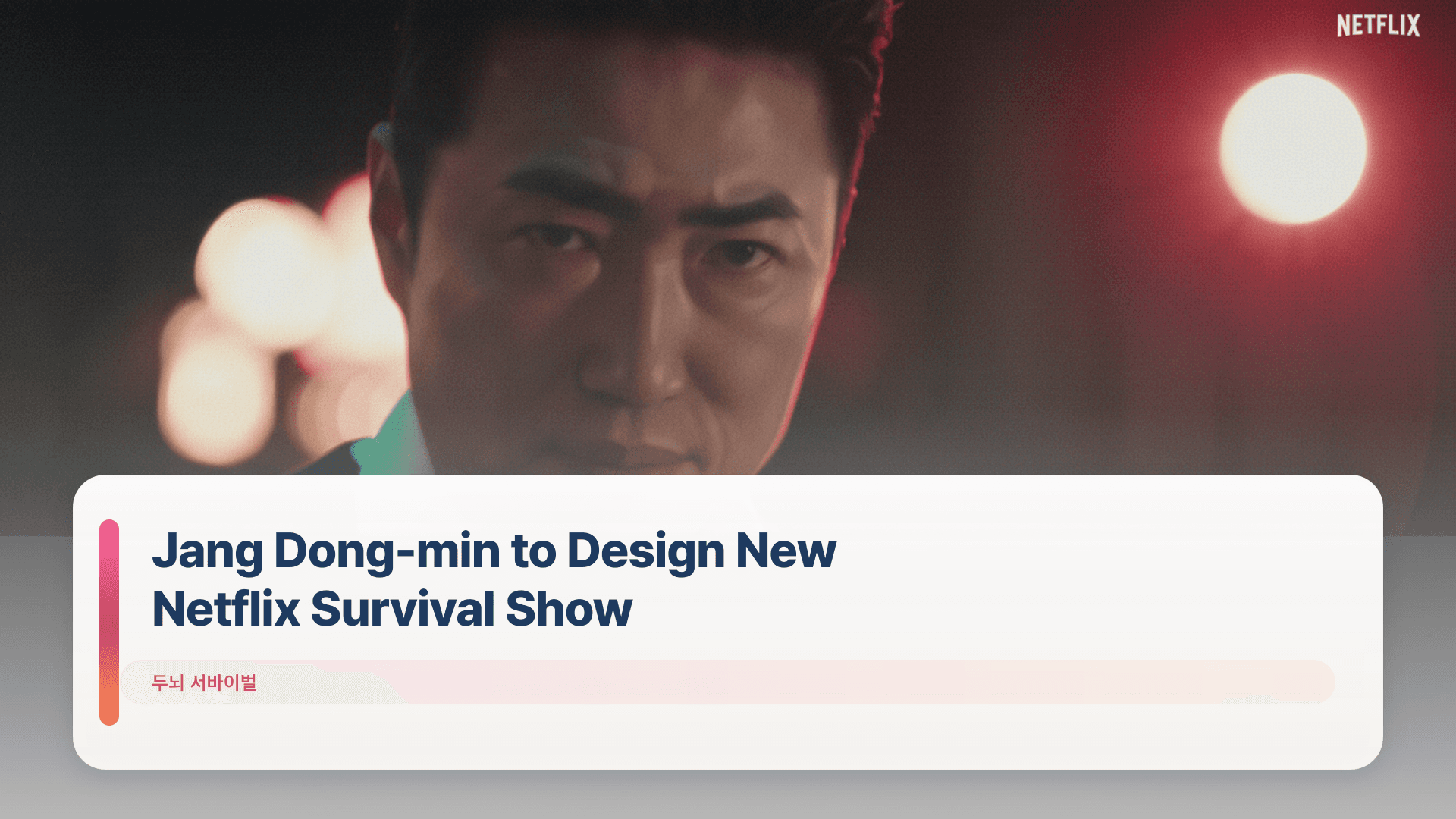
Comedian Jang Dong-min joins forces with 'Blood Game' PD for a new Netflix brain survival series. Discover the latest in K-entertainment!

Discover how global hits like 'Made in Korea' and 'XO, Kitty' are turning Seoul into a primary filming location. Learn the term 로케.
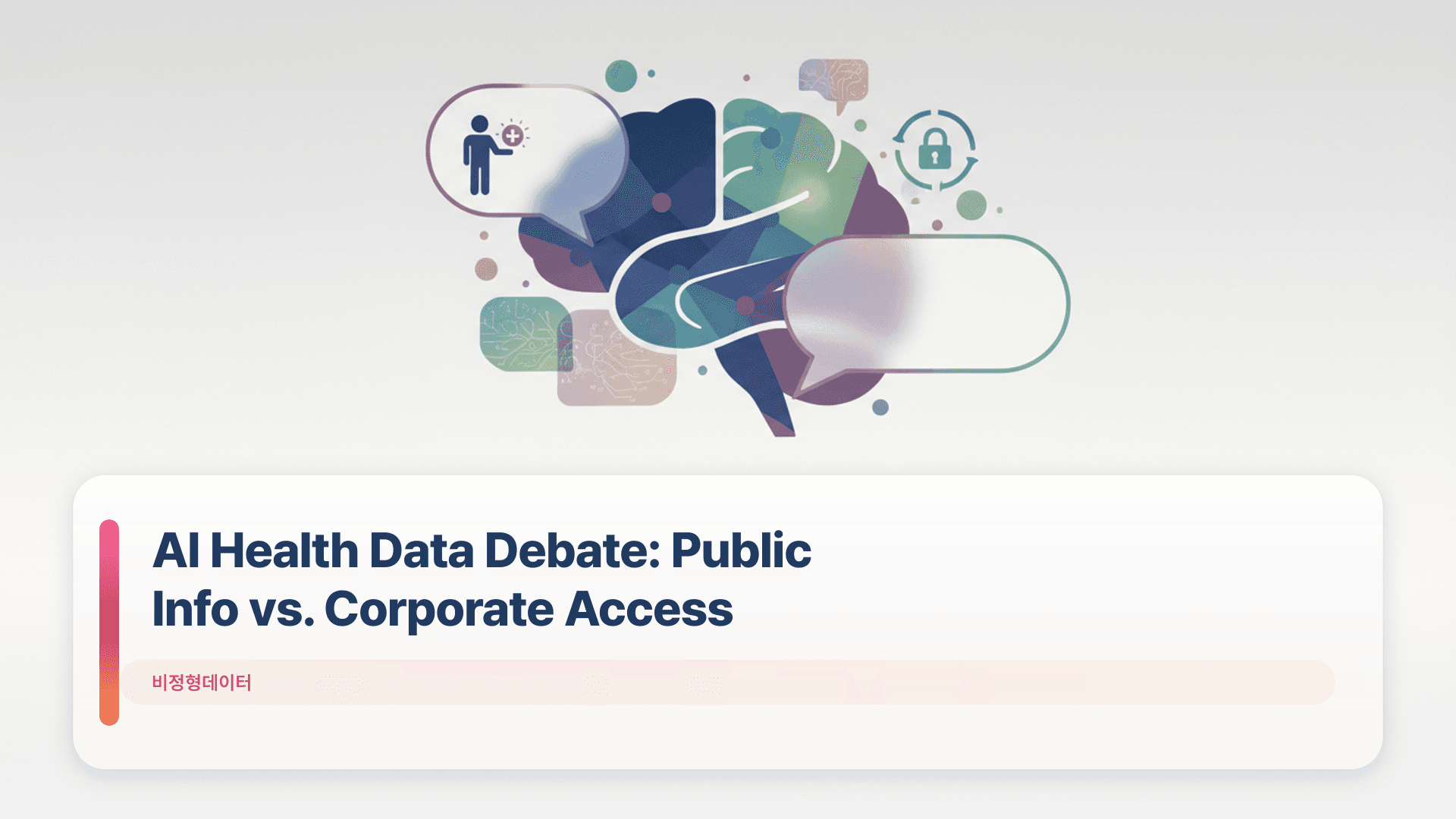
Discover the controversy over AI companies accessing public health data in Korea. Learn the meaning of 비정형데이터 (unstructured data).
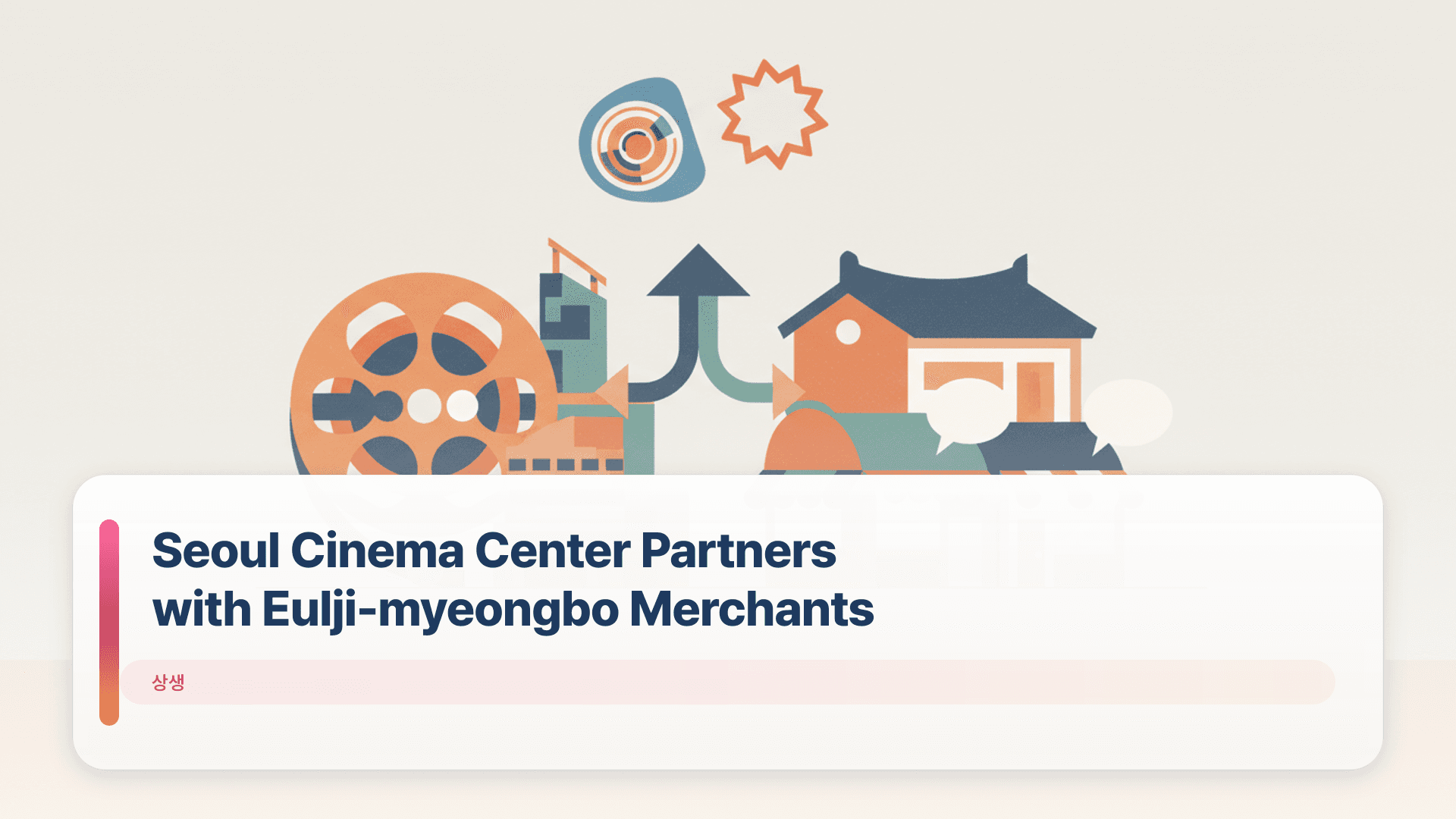
Discover how the Seoul Cinema Center and local Eulji-myeongbo merchants are collaborating to revitalize the historic Chungmuro film district.
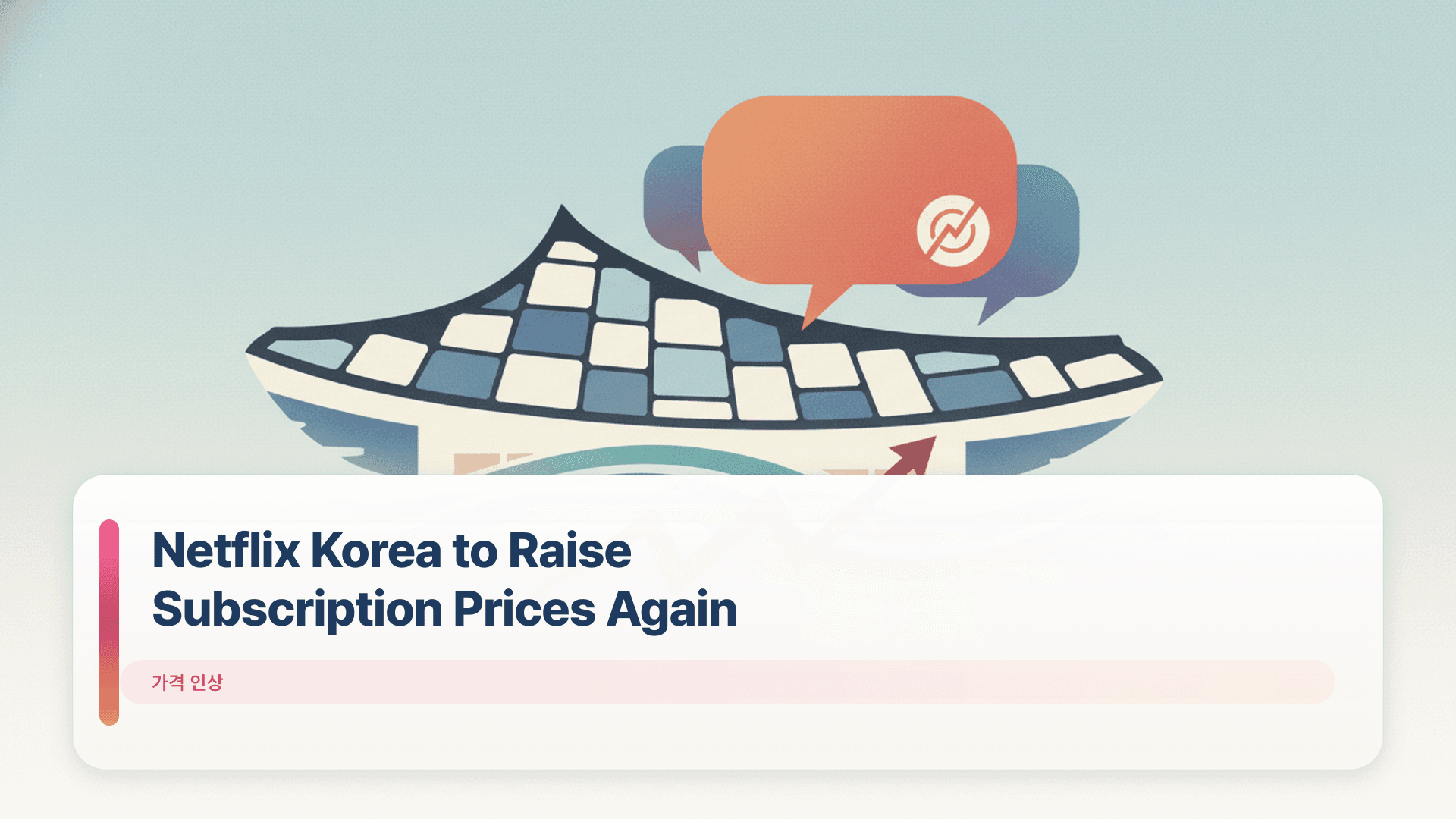
EN brief: 넷플릭스, 1년 만에 또 가격 인상한다 (culture) + 1 glossary term.
Netflix is reportedly preparing to raise its subscription fees in South Korea once again, marking the second price hike in just about a year. This move comes as the streaming giant continues to adjust its global pricing strategy to offset rising production costs and maintain its dominant market position.
According to industry sources and local media reports, the price adjustment will affect various tiers of the service. While the exact percentage of the increase for each plan hasn't been fully detailed for every user segment yet, the trend follows similar hikes seen in other international markets.
South Korean consumers are expressing concerns over the rising cost of digital subscriptions, often referred to as "streamflation." With multiple platforms like Disney+, Tving, and Coupang Play also adjusting their rates, the cumulative burden on households is becoming a significant talking point.
Netflix has justified previous increases by pointing to the high volume of premium Korean original content being produced, such as "Squid Game" and other global hits. However, the short interval between these hikes is drawing criticism from local consumer advocacy groups.
Media Today reports that Netflix is set to implement another price increase for its South Korean subscribers. This decision comes roughly twelve months after the previous adjustment, signaling a more aggressive pricing cycle than previously seen in the local market. The streaming service has become a staple in Korean households, but this frequent change is testing subscriber loyalty.
While Netflix has not officially released a public statement to every individual user yet, industry insiders cited by Media Today indicate that the internal decision has been finalized. The hike is expected to roll out in phases, starting with new subscribers before being applied to existing accounts during their next billing cycles.
In the previous year, Netflix effectively raised prices by restricting account sharing and introducing an ad-supported tier, which changed the entry-level price point for many. This new move is seen as a direct increase in the monthly recurring cost of the Standard and Premium plans, which are the most popular choices for families and high-definition viewers.
Local competitors are watching the situation closely. In Korea, the streaming market is incredibly crowded. If Netflix successfully raises prices without a significant loss in subscribers (churn), it often gives "permission" for local platforms like Tving or Wavve to follow suit to cover their own mounting deficits.
Consumer sentiment on social media platforms and community boards has been largely negative. Many users are questioning whether the quality and frequency of new content justify a yearly price hike. Some have even suggested they might switch to "cherry-picking"—subscribing for only one month to binge a specific show and then canceling immediately.
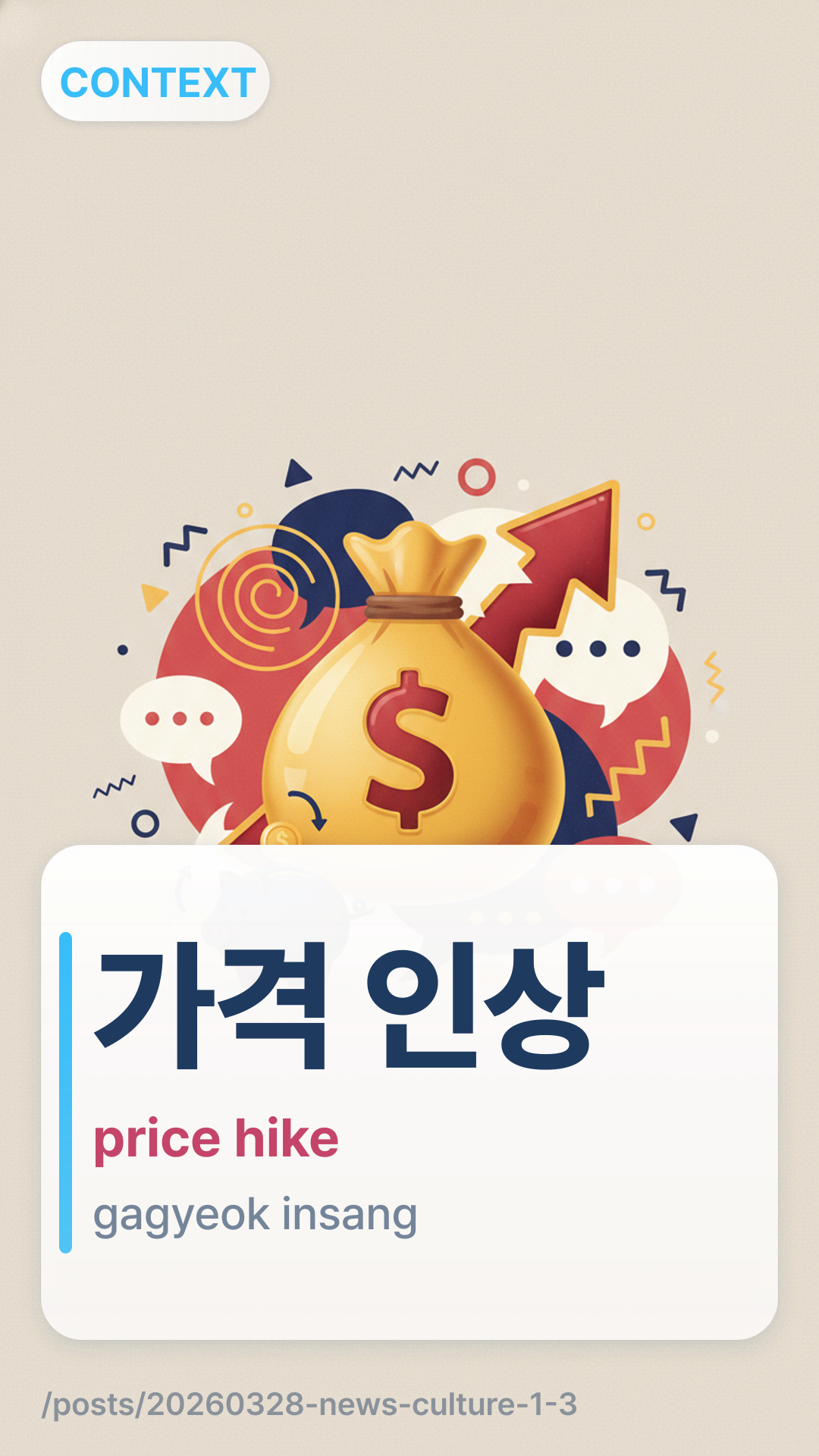
가격 인상gagyeok insang (gagyeok insang) refers to a "price hike" or "price increase." It is a formal term used frequently in news headlines regarding the economy, retail, and service industries. 가격gagyeok means price, and 인상insang means a raise or lift.
넷플릭스가 또 가격 인상을 발표했어요.netpeulrikseuga tto gagyeok insaeul balpyohaesseoyo. — Netflix announced another price hike.
물가 때문에 가격 인상이 불가피합니다.mulga ttaemune gagyeok insai bulgapihapnida. — A price increase is inevitable due to the cost of living.
Keep an eye on your email for official notification from Netflix regarding your specific billing tier. If you are looking to save money, consider switching to the 'Ad-supported' tier or sharing a household account within the new restricted guidelines. To stay updated on Korean economic trends, look for the keyword 인상insang (increase) versus 인하inha (decrease) in news headlines.