BTS 2.0: From Idols to Artists with New Album 'Arirang'
Explore BTS's transformation in their 5th album 'Arirang' and the meaning of '성장통' (seong-jang-tong) in their journey. Discover more!

Explore BTS's transformation in their 5th album 'Arirang' and the meaning of '성장통' (seong-jang-tong) in their journey. Discover more!
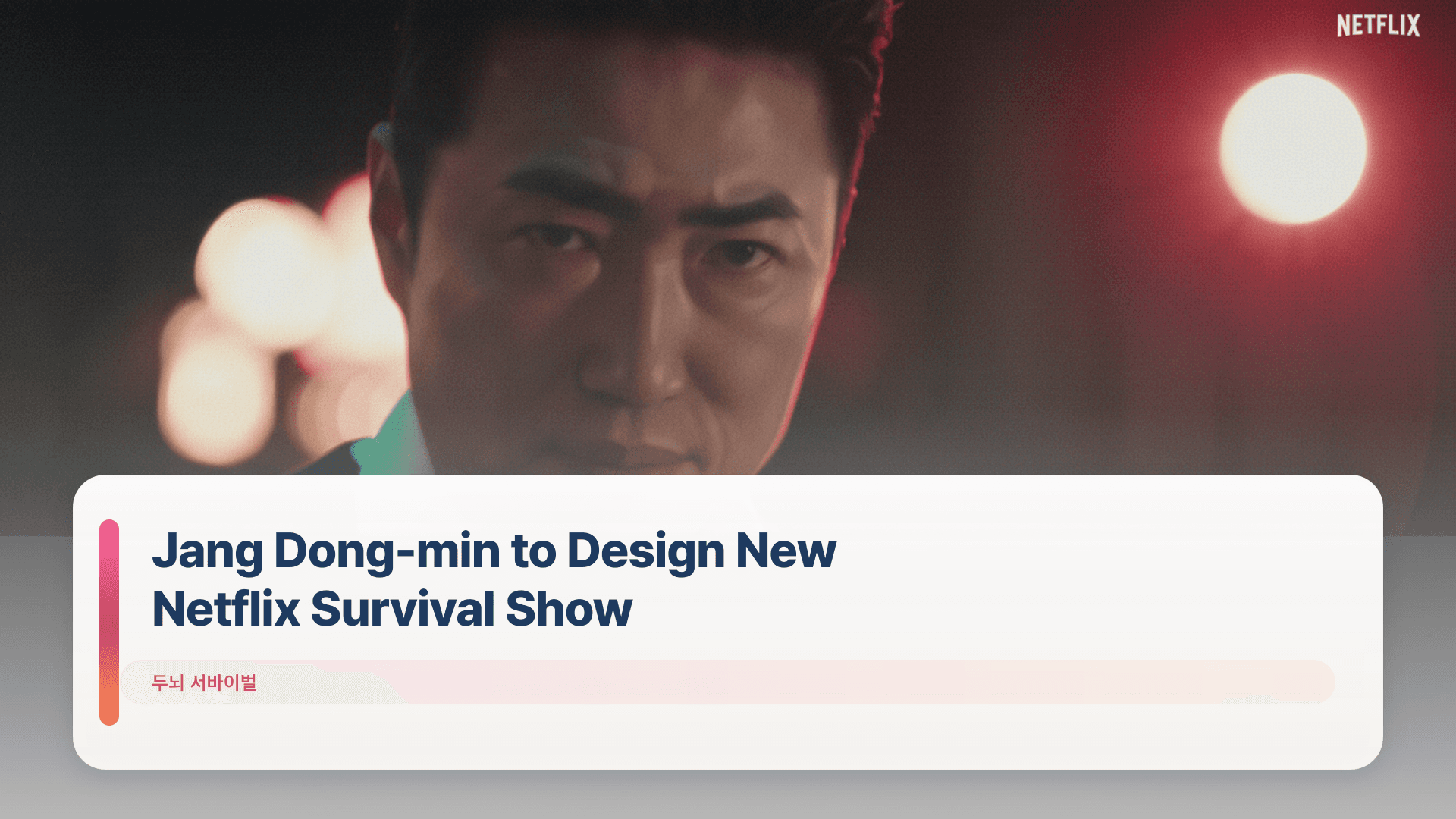
Comedian Jang Dong-min joins forces with 'Blood Game' PD for a new Netflix brain survival series. Discover the latest in K-entertainment!

Discover how global hits like 'Made in Korea' and 'XO, Kitty' are turning Seoul into a primary filming location. Learn the term 로케.

Discover the controversy over AI companies accessing public health data in Korea. Learn the meaning of 비정형데이터 (unstructured data).

Discover how the Seoul Cinema Center and local Eulji-myeongbo merchants are collaborating to revitalize the historic Chungmuro film district.

EN brief: 아이돌서 아티스트로…'아리랑'에 스민 BTS 7人의 치열한 성장통 (culture) + 1 glossary term.
Global superstars BTS have reached the top of the Billboard 200 for the seventh time with their fifth studio album, 'Arirang'. However, this milestone marks a significant departure from their previous record-breaking formula. Instead of sticking to the bright, hopeful pop sounds that defined their global ascent, the group has pivoted toward a more complex and darker artistic identity.
This transition, dubbed 'BTS 2.0' by industry observers, sees the seven members shedding the traditional 'idol' image. The album focuses on their internal narratives and current state of mind rather than delivering a singular, polished message for mass consumption. It is a bold move that prioritizes artistic growth over guaranteed commercial safety.
While the album title and their Gwanghwamun Square comeback performance highlight traditional Korean elements, critics suggest these are merely the surface. Beneath the 'Arirang' theme lies a raw exploration of the challenges the members have faced. The music moves away from the cheerful vibes of hits like 'Butter' or 'Permission to Dance'.
The shift is visible in everything from their somber suit-clad jacket photos to the tracklist. From the opening song 'Body to Body' to the closer 'Into the Sun', the album maintains a serious tone. It reflects the intense 'growing pains' of seven young men navigating the transition from global idols to respected independent artists.
According to reports from Yonhap News, BTS's fifth album 'Arirang' represents a crossroads for the group. After achieving their seventh number-one spot on the Billboard 200, the members chose to abandon the 'idol grammar' that ensured their past success. Instead, they opted for a path that establishes them as serious artists, even if the new direction feels unfamiliar to some fans.
The aesthetic for this era is notably darker. The bright colors and energetic choreography of their previous English-language hits have been replaced by moody imagery and fashion. This 'BTS 2.0' declaration is less about pleasing a broad audience and more about documenting the group's current trajectory and personal evolution.
The album's title, 'Arirang', and the choice of Gwanghwamun Square for their comeback show initially led many to focus on the 'K-culture' aspect of the release. However, the core of the record is the 'seong-jang-tong' (growing pains) experienced by the members. The somber expressions on the album cover signal that this is not the 'cheerful idol' version of BTS the world is used to.
Musically, the album avoids the upbeat, disco-pop influence of their recent years. The title track 'SWIM' and other tracks like 'Body to Body' and 'Into the Sun' maintain a consistent, heavy atmosphere. By focusing on their own narrative and goals, BTS has made 'themselves' the central theme of the music, moving beyond the constraints of K-pop stereotypes.
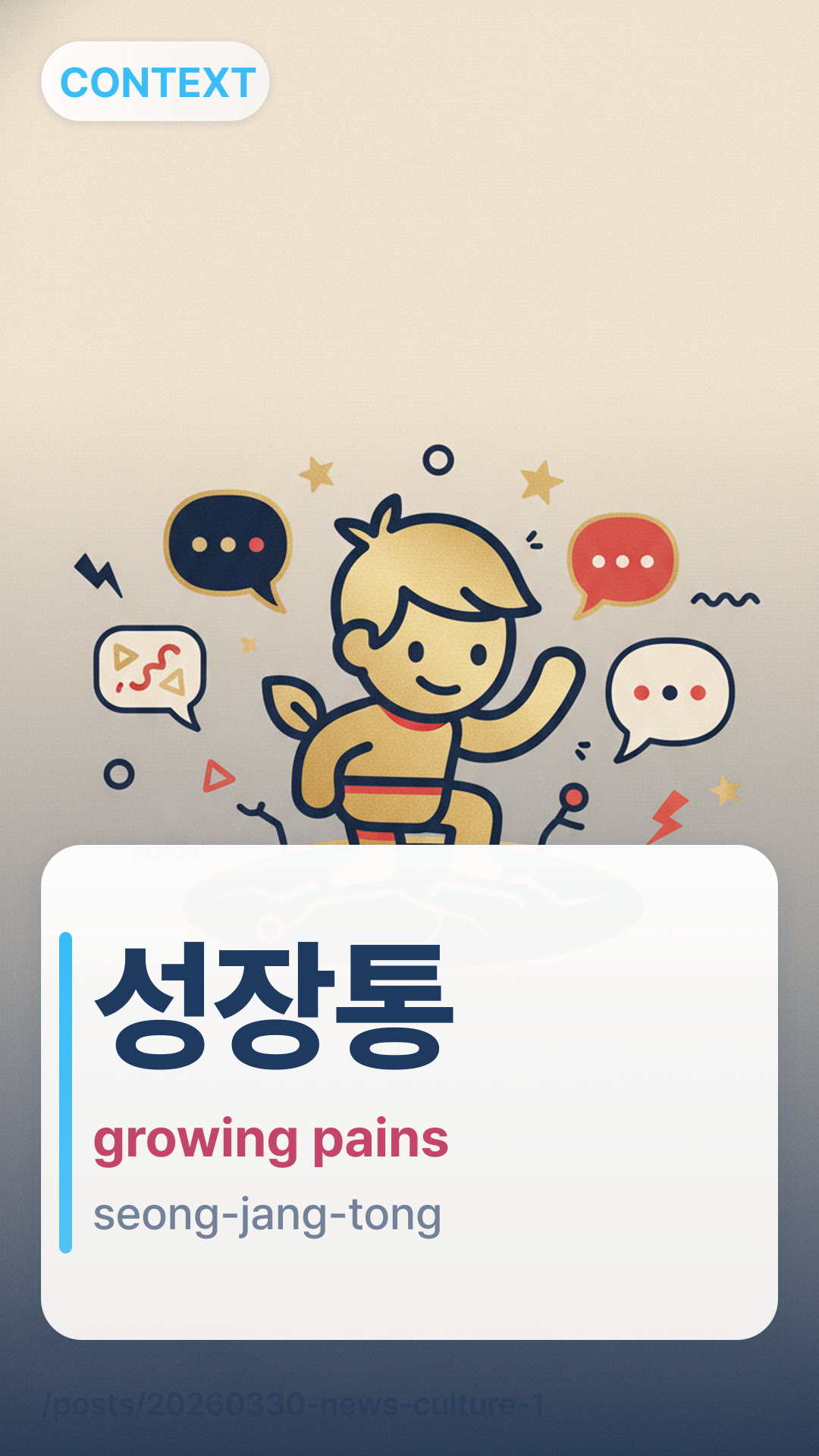
In the context of the article, 성장통seongjangtong (seong-jang-tong) refers to the emotional and psychological struggles associated with personal or professional growth. While it literally means 'growing pains' (the physical aches children feel), it is used here to describe the difficult transition BTS is making from idols to mature artists.
사춘기 시절의 성장통은 누구나 겪는 과정이다.sachungi sijeorui seongjangtoeun nuguna gyeokneun gwajeoida. — The growing pains of adolescence are a process everyone goes through.
새로운 장르에 도전하면서 팀원들은 극심한 성장통을 겪었다.saeroun jangreue dojeonhamyeonseo timwondeureun geuksimhan seongjangtoeul gyeokkeotda. — While challenging a new genre, the team members experienced intense growing pains.