용기 (Yong-gi) Meaning: Courage in K-Dramas and Buddhism
Explore the Buddhist perspective on K-drama characters and the courage to reveal one's true heart. Learn the meaning of 용기 today!

Explore the Buddhist perspective on K-drama characters and the courage to reveal one's true heart. Learn the meaning of 용기 today!
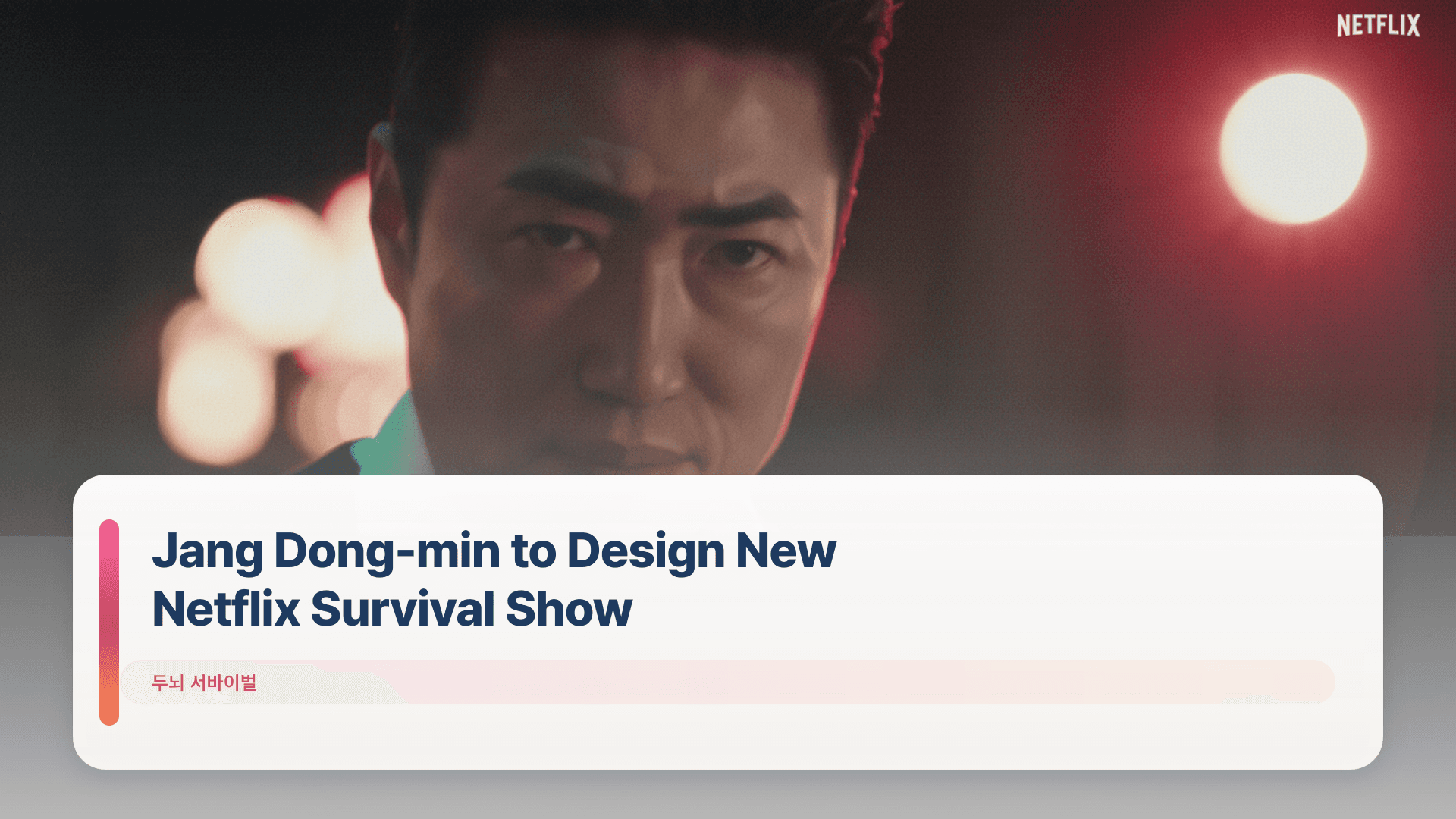
Comedian Jang Dong-min joins forces with 'Blood Game' PD for a new Netflix brain survival series. Discover the latest in K-entertainment!

Discover how global hits like 'Made in Korea' and 'XO, Kitty' are turning Seoul into a primary filming location. Learn the term 로케.

Discover the controversy over AI companies accessing public health data in Korea. Learn the meaning of 비정형데이터 (unstructured data).

Discover how the Seoul Cinema Center and local Eulji-myeongbo merchants are collaborating to revitalize the historic Chungmuro film district.
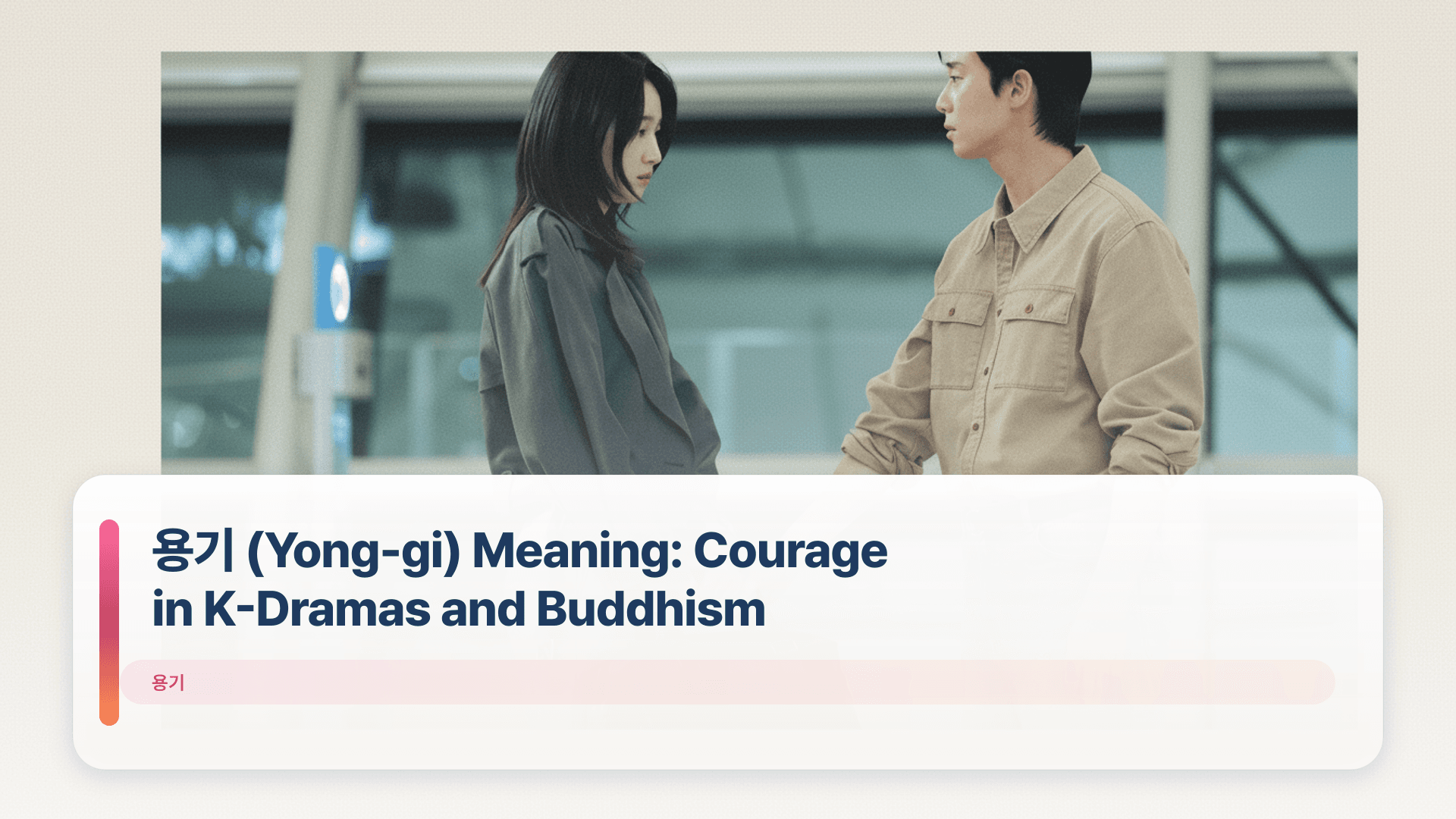
EN brief: [최원섭의 불교, K-드라마로 만나다] 솔직히 마음 드러낼 용기 (culture) + 1 glossary term.
In a recent cultural commentary published by Hyundai Bulgyo, columnist Choi Won-seop explores the intersection of Buddhist philosophy and modern K-drama narratives. The piece focuses on the internal struggles of characters who find themselves at a crossroads between social expectations and their authentic feelings.
The article suggests that many popular dramas resonate with audiences because they mirror the Buddhist concept of self-reflection. By watching characters navigate complex emotional landscapes, viewers are encouraged to look inward at their own lives and the masks they wear in daily interactions.
A central theme discussed is the difficulty of being honest with oneself. The author argues that true peace comes not from external success, but from the internal strength required to acknowledge one's genuine desires and suffering without judgment.
Ultimately, the commentary highlights that the "courage" often depicted in hit series isn't just about heroic acts, but the quiet, profound bravery of showing one's true heart to the world, a principle deeply rooted in Buddhist teachings.
The columnist Choi Won-seop uses the lens of contemporary K-dramas to explain how Buddhist thought remains relevant in the 21st century. The article notes that while the settings of these dramas are modern—ranging from high-stakes corporate offices to cozy neighborhood pharmacies—the core human dilemmas remain timeless. Characters often suffer because they are attached to a specific image of themselves that they feel they must maintain for others.
According to the piece, the "healing" genre of K-dramas specifically excels at showing the process of 'letting go.' This aligns with the Buddhist practice of releasing attachments. When a character finally speaks their truth, even if it risks their social standing, they experience a form of liberation that the author identifies as a spiritual breakthrough.
The article does not name one specific drama as the sole focus but rather treats the entire medium as a modern parable. It emphasizes that the act of "revealing one's heart" (마음을 드러내다) is a form of practice (수행). It requires a specific type of mental fortitude that goes beyond simple boldness.
By the end of the commentary, the author invites readers to consider their own lives as a drama. He asks whether we are playing a role written by society or if we have the strength to write our own script based on sincerity. This bridge between pop culture and ancient wisdom provides a fresh way for younger generations to engage with Buddhist concepts.
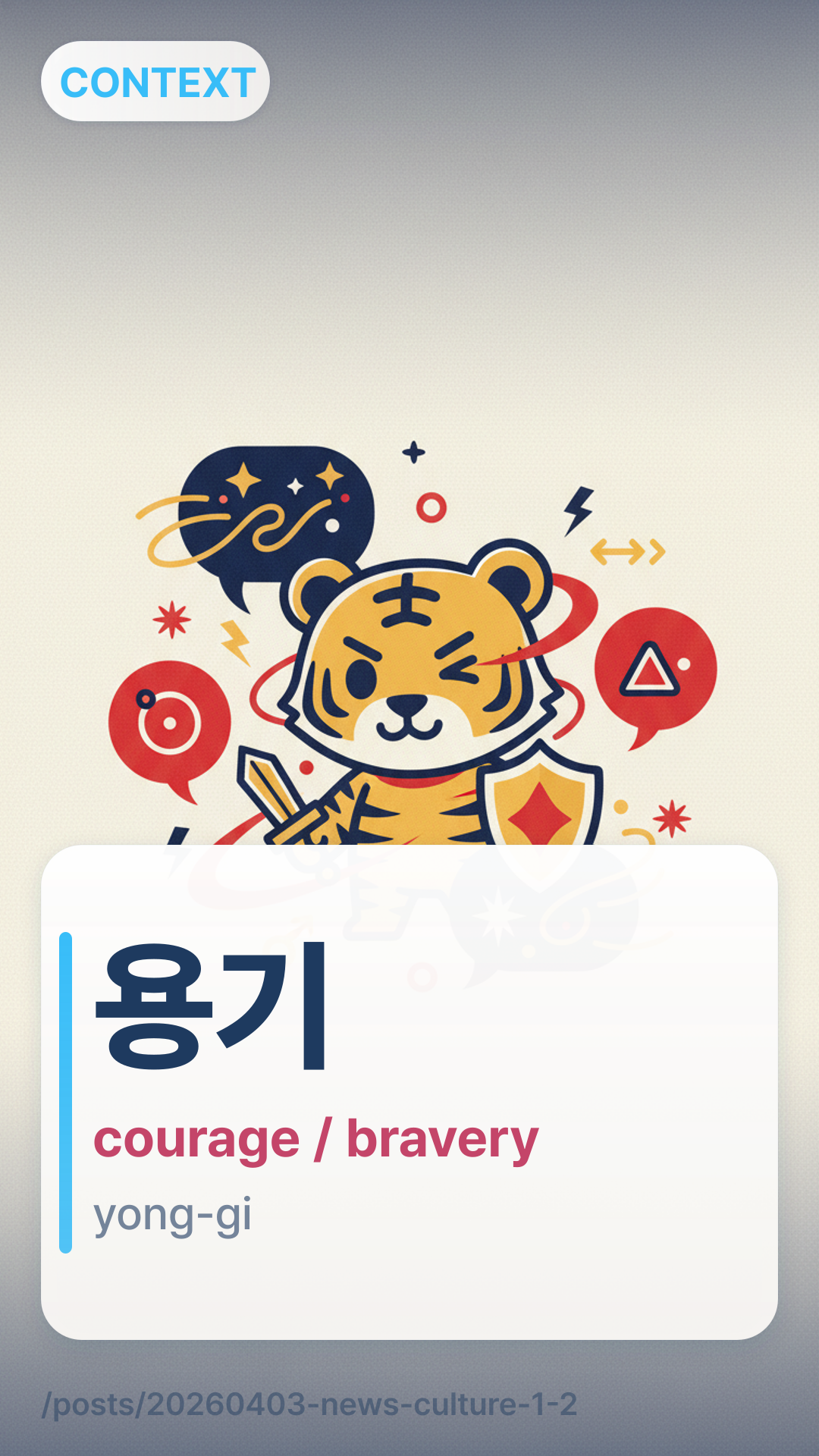
In the context of the article, 용기 (Yong-gi) refers to the courage or bravery required to be vulnerable and honest. While it can mean physical bravery, here it specifically denotes the spiritual strength to reveal one's true self.
진실을 말할 수 있는 용기가 필요해요.jinsireul malhal su itneun yonggiga piryohaeyo. — I need the courage to be able to tell the truth.
그는 사랑을 고백할 용기를 냈다.geuneun saraeul gobaekhal yonggireul naetda. — He summoned the courage to confess his love.
When watching your next K-drama, look for the moment a character stops pretending. That transition is what Koreans call '용기를 내다' (summoning courage). To sound natural, use this term when discussing personal growth or difficult emotional decisions rather than just physical feats.