
Lv.1
U
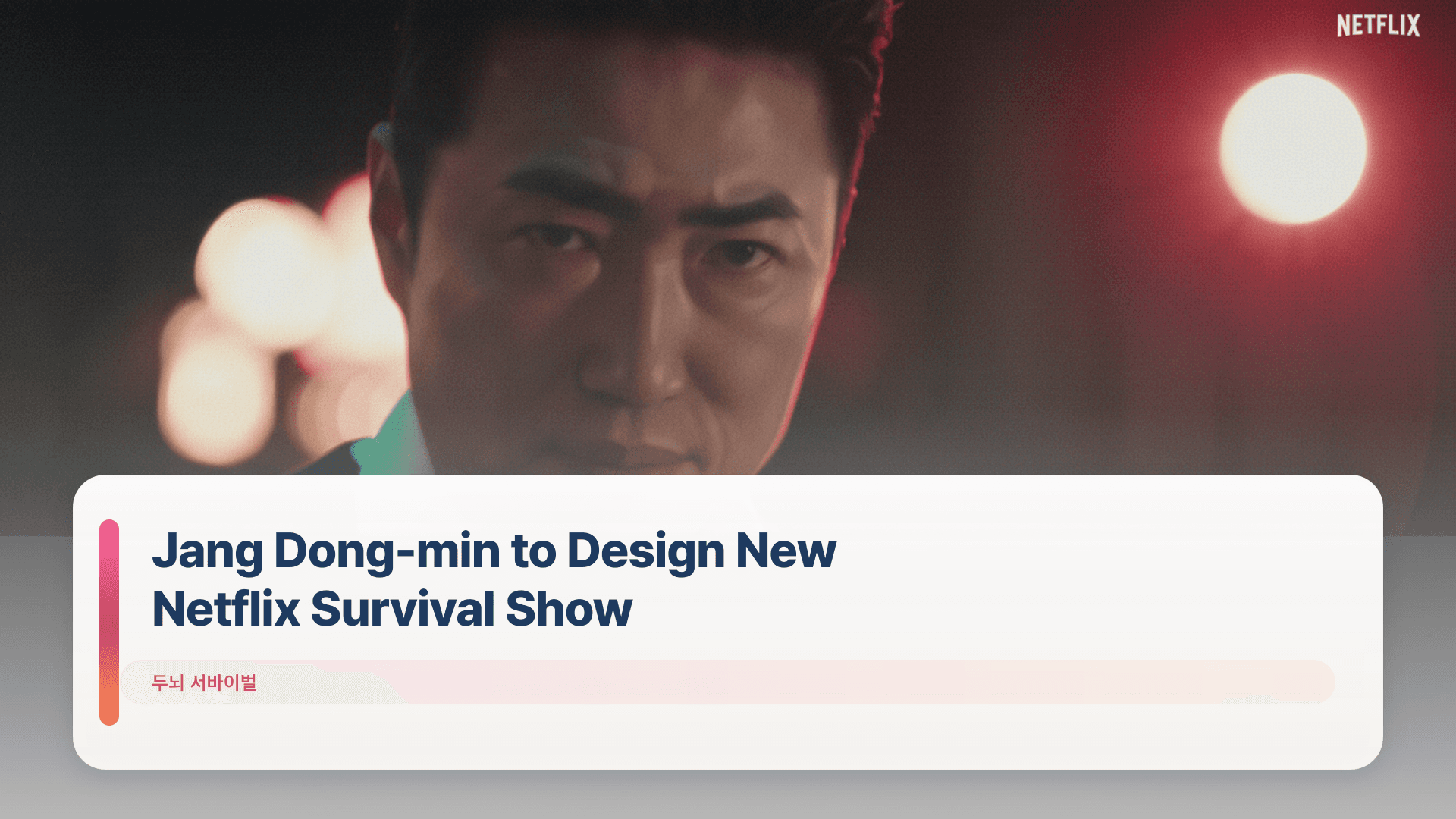
Comedian Jang Dong-min joins forces with 'Blood Game' PD for a new Netflix brain survival series. Discover the latest in K-entertainment!
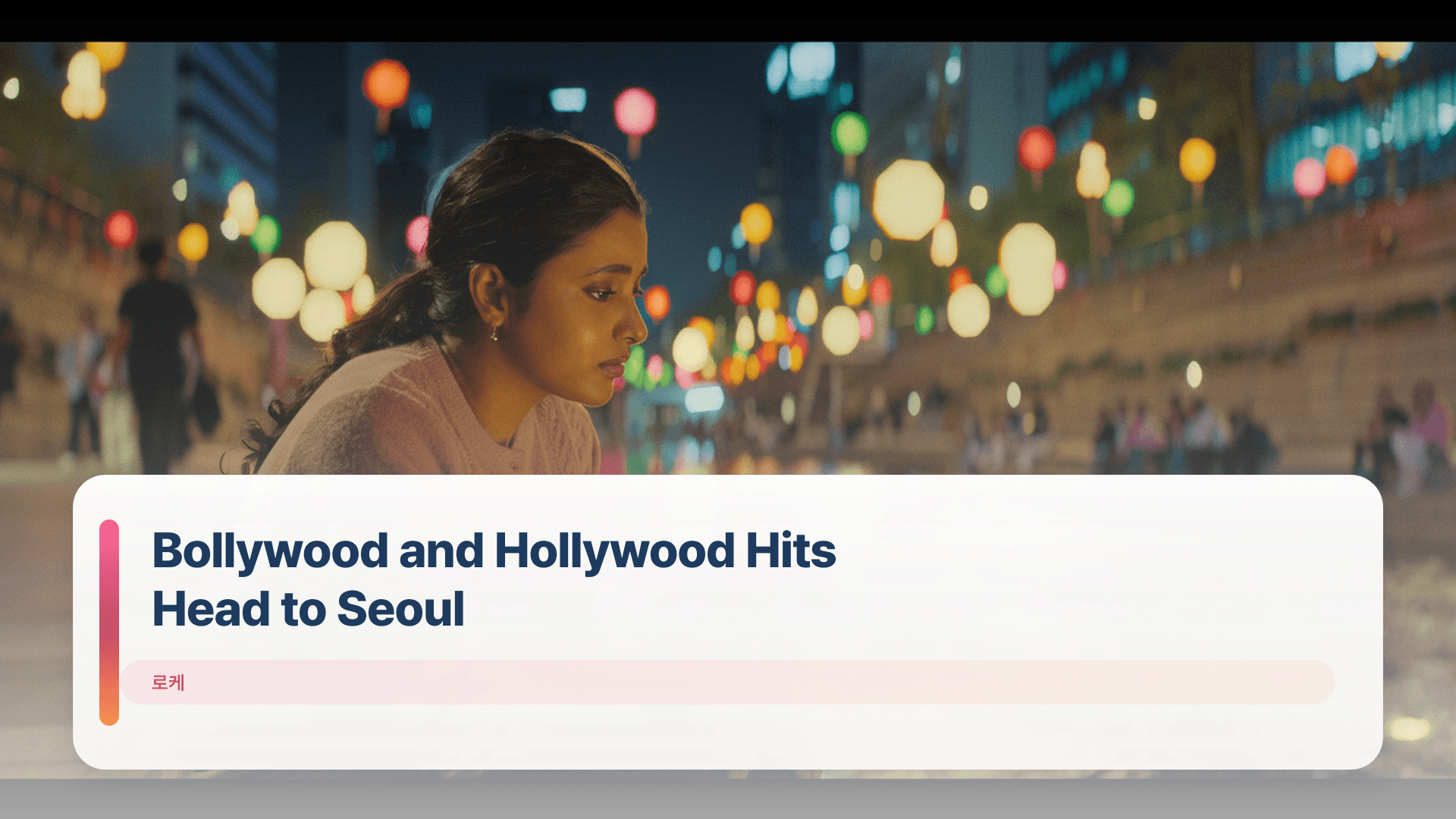
Discover how global hits like 'Made in Korea' and 'XO, Kitty' are turning Seoul into a primary filming location. Learn the term 로케.

Discover the controversy over AI companies accessing public health data in Korea. Learn the meaning of 비정형데이터 (unstructured data).

Discover how the Seoul Cinema Center and local Eulji-myeongbo merchants are collaborating to revitalize the historic Chungmuro film district.
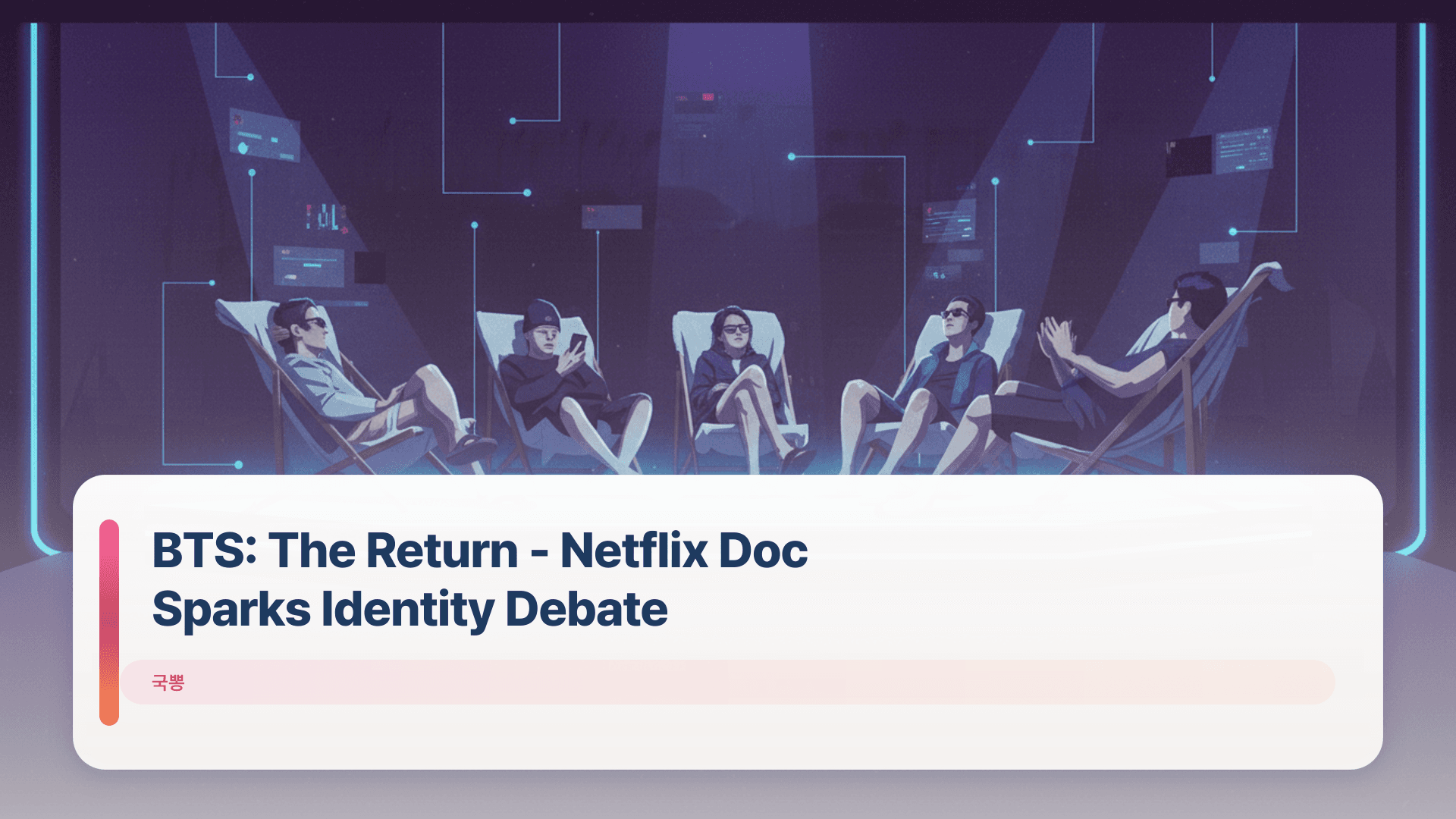
EN brief: [위근우의 리플레이]넷플릭스 다큐 은 어쩌다 BTS가 흔드는 당근이 되었을까 (culture) + 1 glossary term.
A new Netflix documentary titled "BTS: The Return" has sparked significant discussion regarding the group's identity and their relationship with their agency, HYBE. The film captures the members' return to the spotlight after a four-year hiatus, documenting their preparations for a full-group comeback and the internal conflicts that arose during the creative process.
Critics and fans alike are noting the raw honesty shown in the documentary, particularly concerning the members' discomfort with being framed as "national representatives." The film highlights a disconnect between the agency's desire to use traditional Korean motifs for global appeal and the artists' own creative vision.
Rather than a polished victory lap, the documentary portrays a group grappling with the weight of their global status. It shows the members questioning what truly makes them "BTS" as they navigate their mid-thirties and a rapidly changing music industry.
Ultimately, the documentary has been described as an accidental "whistleblow" against the K-pop industry's obsession with control. By leaving the members' doubts and disagreements in the final cut, it offers a rare, unvarnished look at the tension between corporate branding and artistic integrity.
The documentary follows BTS as they prepare for their return, specifically focusing on the development of their new album and the title track "SWIM." While the members express concerns that the track might be too slow or different from what fans expect, Suga argues that showing a new direction might actually be more "cool" (ganji) and satisfying for the audience.
A major point of contention revealed in the film is the inclusion of "Arirang," a traditional Korean folk song, in their music. HYBE's creative team sought to connect BTS's journey to the historical legacy of "Arirang" to create a powerful narrative of Korean identity. However, the members expressed varying degrees of hesitation.
RM admitted to feeling a literal "allergy" to being framed as "heroes or legends," while V expressed concern that Korean audiences might view the heavy-handed use of traditional themes as a calculated move for "gukppong" (extreme nationalism). The documentary captures a specific moment where Chairman Bang Si-hyuk pushes for a version of the song "Body to Body" that includes a minute-long Arirang section, despite the members' preference for a different version.
Bang Si-hyuk is shown arguing that seeing 60,000 to 70,000 foreign fans singing along to the Arirang chorus would be an "iconic" moment. The critic Wi Geun-woo points out that this desire seems to stem more from the agency's need for self-validation through foreign recognition than from the artists' own expressive needs.
The film concludes not with a definitive answer on what BTS has become, but with the members still in a state of wandering and reflection. This lack of a neat, linear success story is what many find most compelling, as it humanizes the global superstars against the backdrop of immense corporate pressure.
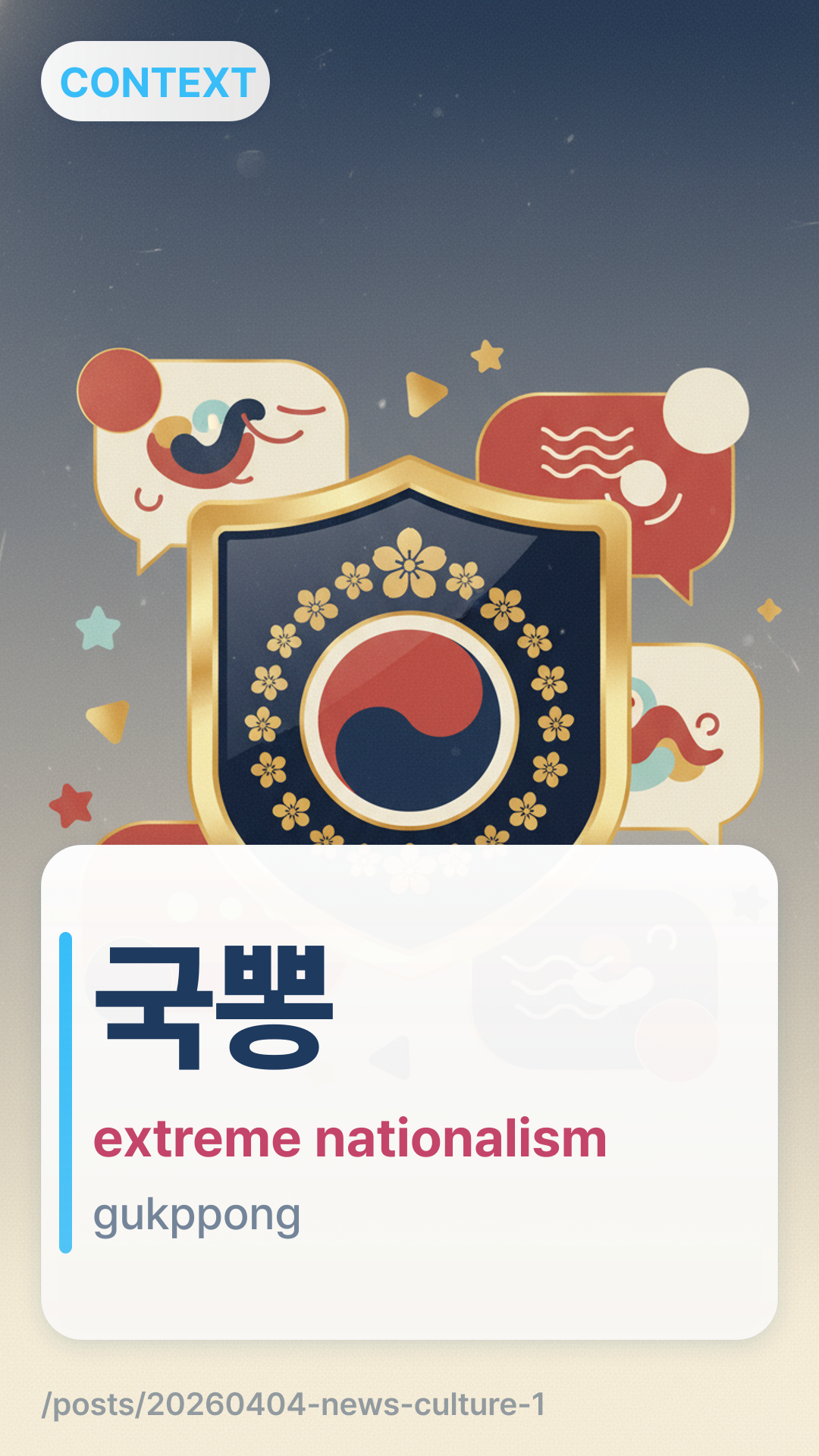
In the article, V mentions his worry that the public will see their new concept as a forced attempt at 국뽕gukppong (gukppong). This term refers to an intoxicated state of nationalism where one feels an exaggerated sense of pride in Korea, often to the point of ignoring flaws or forcing Korean culture on others.
그 영화는 국뽕이 너무 심해서 보기 불편했어.geu yeonghwaneun gukppoi neomu simhaeseo bogi bulpyeonhaesseo. — That movie had so much forced nationalism that it was uncomfortable to watch.
요즘 유튜브에는 외국인들의 반응을 이용한 국뽕 채널이 많다.yojeum yutyubeueneun oegugindeurui baneueul iyonghan gukppong chaeneori manda. — These days, there are many "gukppong" channels on YouTube that use foreigners' reactions.
| Term | Meaning | Nuance |
|---|---|---|
| 국뽕 (Gukppong) | Extreme/Forced Nationalism | Usually negative; implies a lack of objectivity or "cringe" factor. |
| 아리랑 (Arirang) | Traditional Folk Song | The ultimate symbol of Korean soul and history. |
| 간지 (Ganji) | Cool / Swag | Derived from Japanese, used to describe something stylish or impressive. |