Korean Alphabet A to Z: All 24 Hangul Letters, Plus the Doubles
The Korean alphabet isn't A to Z — it's Hangul, 24 letters split into 14 consonants and 10 vowels, plus some doubled and combined forms. I spent two weekends drilling it in 2022 and want to save you the mistakes I made. Full letter list inside.
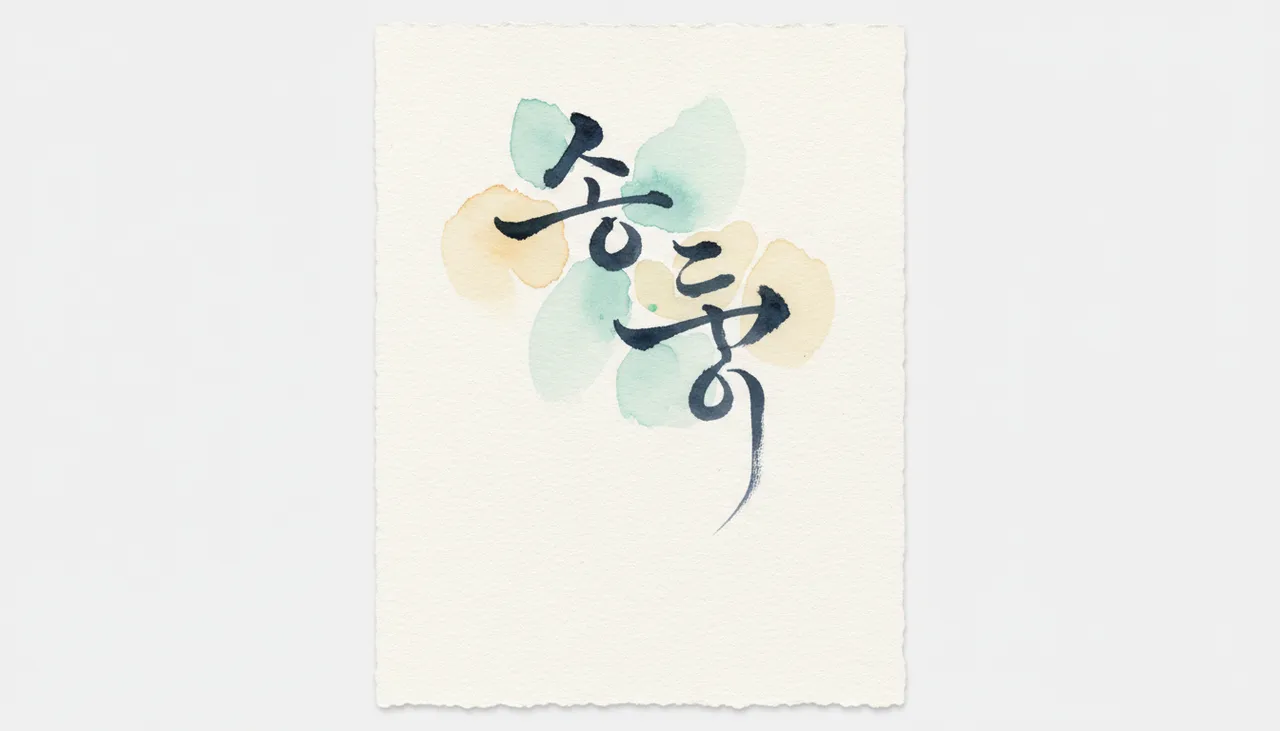
The Korean alphabet isn't A to Z — it's Hangul, 24 letters split into 14 consonants and 10 vowels, plus some doubled and combined forms. I spent two weekends drilling it in 2022 and want to save you the mistakes I made. Full letter list inside.
Quick clarification before anything else. When people search "Korean alphabet A to Z" they usually want the whole letter inventory in order. The Korean alphabet isn't A to Z — it's called 한글 (Hangul), it has 24 basic letters, plus 5 doubled consonants and 11 combined vowels. So the full set is closer to 40 shapes you'll actually see in text.
The honest pitch for learning it: Hangul was designed in the 1440s specifically to be learnable fast. It's not based on pictograms or historical accident — it's an engineered alphabet. King Sejong's court was apparently pretty open that the goal was making literacy accessible. That's why it is shockingly regular compared to English spelling.
I spent two weekends on Hangul back in 2022. Here's the part that actually clicked, and the part I wasted three days on.
The basic consonants — 14 of them
These are the 자음 (jaeum). Memorize these first.
| Letter | Name | Rough sound |
|---|---|---|
| ㄱ | 기역 | g / k |
| ㄴ | 니은 | n |
| ㄷ | 디귿 | d / t |
| ㄹ | 리을 | r / l (a flap) |
| ㅁ | 미음 | m |
| ㅂ | 비읍 | b / p |
| ㅅ | 시옷 | s |
| ㅇ | 이응 | silent / ng |
| ㅈ | 지읒 | j |
| ㅊ | 치읓 | ch (aspirated) |
| ㅋ | 키읔 | k (aspirated) |
| ㅌ | 티읕 | t (aspirated) |
| ㅍ | 피읖 | p (aspirated) |
| ㅎ | 히읗 | h |
The thing that finally clicked for me on my second weekend: the shapes are not random. ㄱ is a stylized version of the tongue pressed against the back of the mouth. ㄴ is the tongue against the front teeth. ㅁ is the closed lips making an "m." Once someone pointed that out, the consonants stopped feeling arbitrary and started feeling diagrammatic.
The 5 double (tense) consonants
These are the base letters doubled up. Sharper, tenser sound. You'll see them all over normal text.
- ㄲ (kk) — doubled from ㄱ
- ㄸ (tt) — doubled from ㄷ
- ㅃ (pp) — doubled from ㅂ
- ㅆ (ss) — doubled from ㅅ
- ㅉ (jj) — doubled from ㅈ
Don't try to master the tense vs. plain vs. aspirated distinction just by reading about it. You need to hear it. Five minutes of a YouTube pronunciation video will do more than ten pages of explanation.
The 10 basic vowels
The 모음 (moeum). These are easier than the consonants, honestly.
| Letter | Rough sound |
|---|---|
| ㅏ | a as in "father" |
| ㅑ | ya |
| ㅓ | eo (short o, kind of like "off") |
| ㅕ | yeo |
| ㅗ | o as in "go" |
| ㅛ | yo |
| ㅜ | u as in "boot" |
| ㅠ | yu |
| ㅡ | eu (no real English equivalent) |
| ㅣ | i as in "ski" |
A pattern to notice: ㅑ, ㅕ, ㅛ, ㅠ are just the ㅏ, ㅓ, ㅗ, ㅜ vowels with an extra tick. That extra tick adds a "y" sound. Ten vowels reduce to five base shapes plus a "plus y" modifier.
I missed this pattern for a full weekend. Saved me hours once I saw it.
The 11 combined vowels
Vowels stacked or combined. You'll see these constantly — most Korean words contain at least one.
- ㅐ (ae), ㅒ (yae)
- ㅔ (e), ㅖ (ye)
- ㅘ (wa), ㅙ (wae), ㅚ (oe)
- ㅝ (wo), ㅞ (we), ㅟ (wi)
- ㅢ (ui)
Small honest thing: ㅐ and ㅔ sound almost identical in modern spoken Korean. Most native speakers under 40 don't distinguish them. Same with ㅙ, ㅚ, ㅞ — all roughly "we" in practice. Don't drive yourself crazy trying to separate them by ear. Focus on spelling them correctly.
How letters actually stack into syllable blocks
This was the part I wasted three days on. Letters in Hangul don't sit in a straight line the way Latin letters do. They stack into square blocks — one block per syllable.
Each block needs at least one consonant and one vowel. Optionally it can have a final consonant at the bottom, called 받침 (batchim).
- 가 = ㄱ + ㅏ = "ga"
- 강 = ㄱ + ㅏ + ㅇ = "gang" (with ㅇ as batchim, pronounced "ng")
- 한 = ㅎ + ㅏ + ㄴ = "han"
- 글 = ㄱ + ㅡ + ㄹ = "geul"
So 한글 ("Hangul") is two blocks — 한 and 글 — not six letters in a row.
The layout inside a block depends on the vowel. Vertical vowels (ㅏ, ㅓ, ㅣ) put the consonant on the left. Horizontal vowels (ㅗ, ㅜ, ㅡ) put the consonant on top. That's why 가 and 고 look so different despite starting with the same consonant.
Once you see this, Hangul stops looking like "pretty shapes" and starts looking like a tiny, clever 3D puzzle.
A practice drill that actually works
Here's what unstuck me. Instead of drilling letters in isolation, spend an hour on one thing only: reading the names of Seoul subway stations on a map. They're short. They're written in both Hangul and English so you can self-check. After 30 or 40 stations, the stacking logic stops being something you reason about.
Better than any flashcard app I tried, and free.
FAQ
How long does Hangul actually take to learn? Two weekends of focused work. I've seen people do it in one afternoon. Anyone who tells you Hangul takes weeks is either misleading you or is practicing for 15 minutes a week.
Do I need to learn the letter names (기역, 니은, etc.)? Not immediately. Learn them in your second month. Useful for spelling things out loud but not necessary to read.
Why does Hangul look like it's made of boxes? Because the syllable-block design was inspired by Chinese characters' visual weight. Sejong wanted something that would sit nicely in vertical columns next to Chinese text. That's why Hangul and Chinese can share a page so cleanly.
Is there a difference between North and South Korean Hangul? Slightly different ordering and a couple of letters behave differently, but the basic 자음 and 모음 are the same. If you learn South Korean Hangul, you can read North Korean text fine.
Related on Korean TokTok
Quick cheat sheet
Expressions in this post