What Does Korean Writing Look Like? Hangul Blocks, Not Chinese Characters
Korean writing is Hangul, an alphabet of 24 letters arranged into square syllable blocks. Each block stacks a consonant, a vowel, and sometimes a final consonant — which makes it visually distinct from both Chinese and Japanese.
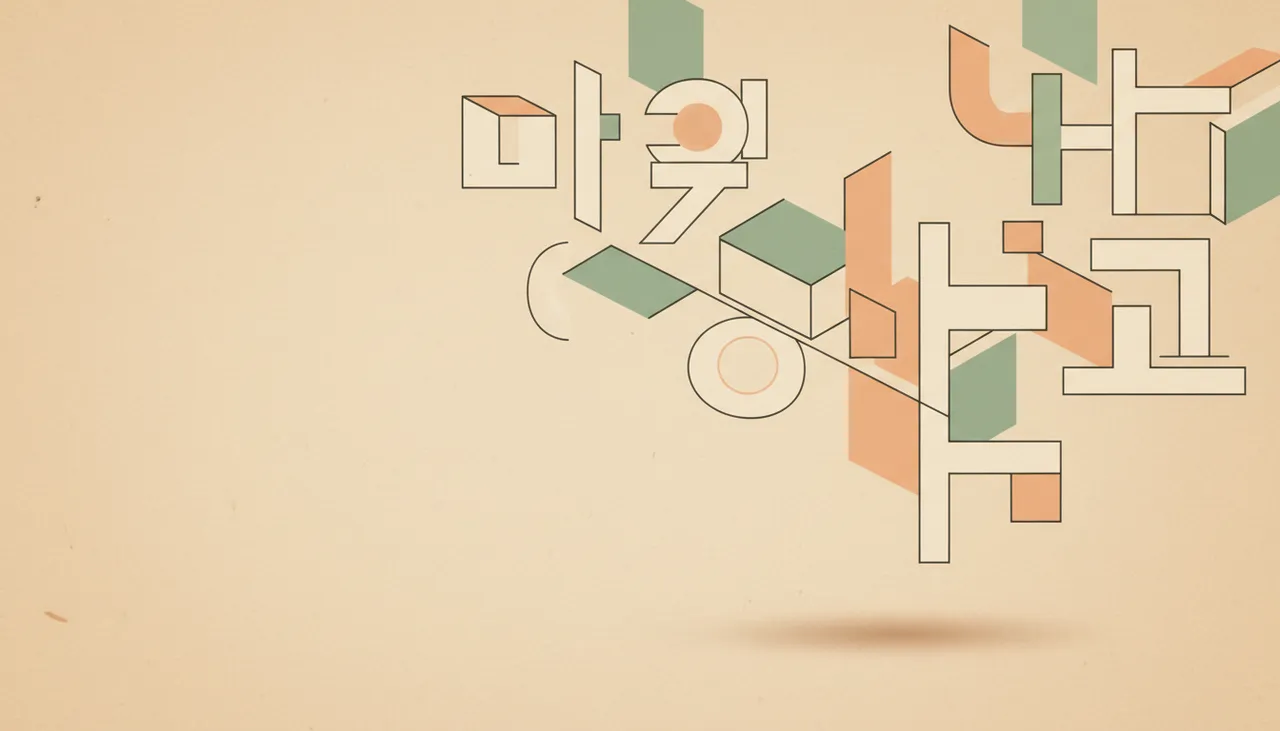
Korean writing is Hangul, an alphabet of 24 letters arranged into square syllable blocks. Each block stacks a consonant, a vowel, and sometimes a final consonant — which makes it visually distinct from both Chinese and Japanese.
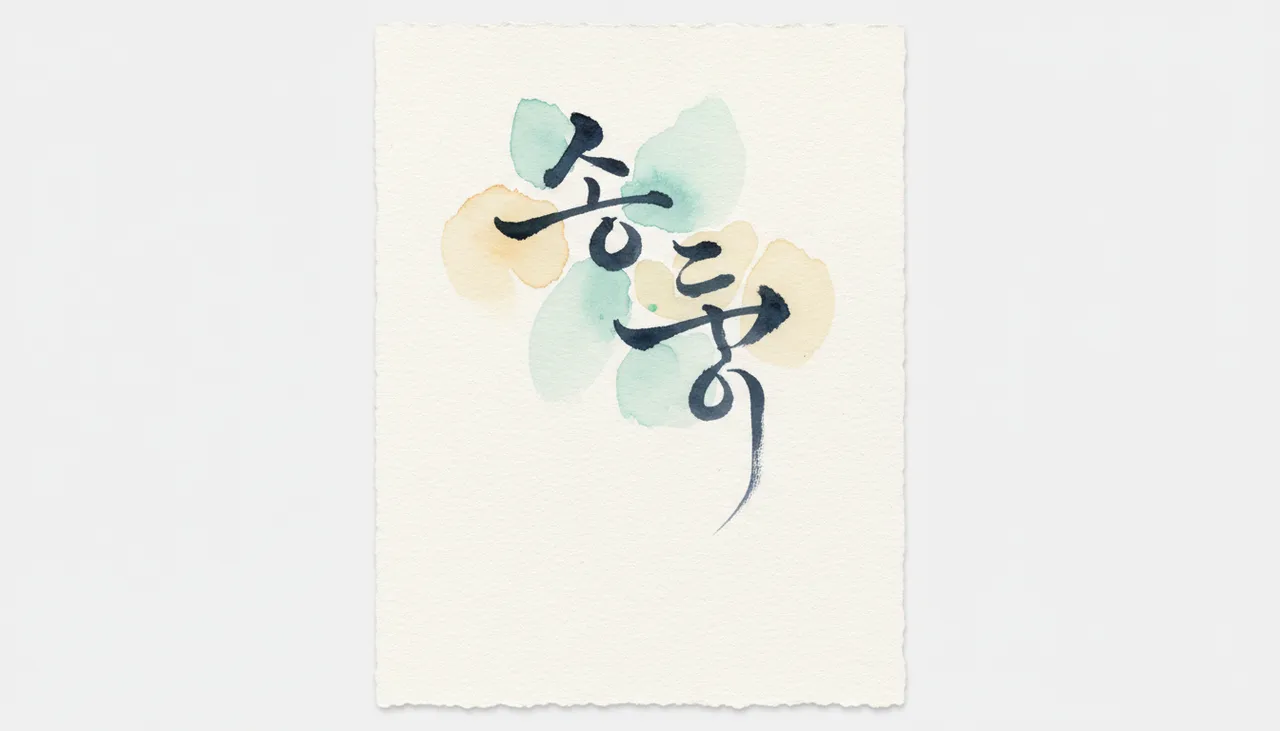
Korean writing uses 한글 (Hangul), an alphabet of 24 basic letters — 14 consonants and 10 vowels — that are arranged into tidy square "syllable blocks." At a glance, a line of Korean text looks like a grid of small boxes, each containing 2 to 4 letters stacked or lined up. It is not made of Chinese characters, and it is not Japanese kana.
Hangul is an alphabet, not a logography
This is the most important visual distinction:
- Chinese (Hanzi) — thousands of complex characters, each usually a full word or meaningful unit
- Japanese (mix) — kanji (Chinese-derived) plus two syllabaries (hiragana, katakana)
- Korean (Hangul) — one phonetic alphabet, grouped into syllable-sized blocks
Example: the word "hangul" itself is written as 한글. That's two square blocks:
- 한 = ㅎ + ㅏ + ㄴ ("han")
- 글 = ㄱ + ㅡ + ㄹ ("geul")
Each block is a syllable. You read left to right, top to bottom — just like English.
Why Hangul looks so geometric
King Sejong and his scholars designed Hangul in 1443 specifically to be easy to learn. The consonant shapes were modeled on the position of the mouth, tongue, and throat when pronouncing them:
- ㄱ (g/k) — mimics the tongue against the soft palate
- ㄴ (n) — mimics the tongue against the front teeth
- ㅁ (m) — mimics closed lips
- ㅅ (s) — mimics the shape of a tooth
- ㅇ (ng/null) — mimics an open throat
Vowels are built from three primitives — a horizontal line (earth), a vertical line (human), and a dot (heaven, now written as a short stroke). Combining them creates all ten base vowels.
The result is a writing system that rewards a few hours of study. Most beginners can sound out Korean signs after a single weekend.
Quick visual samples
- 안녕하세요 (annyeonghaseyo) — hello (polite)
- 감사합니다 (gamsahamnida) — thank you
- 사랑해요 (saranghaeyo) — I love you
- 커피 (keopi) — coffee
Each of those is a string of square blocks. No individual block carries standalone meaning the way a Chinese character does — it's a syllable.
Related on Korean TokTok
Quick cheat sheet
Expressions in this post