The Korean Numbers System: Two Counts, One Rule for Choosing
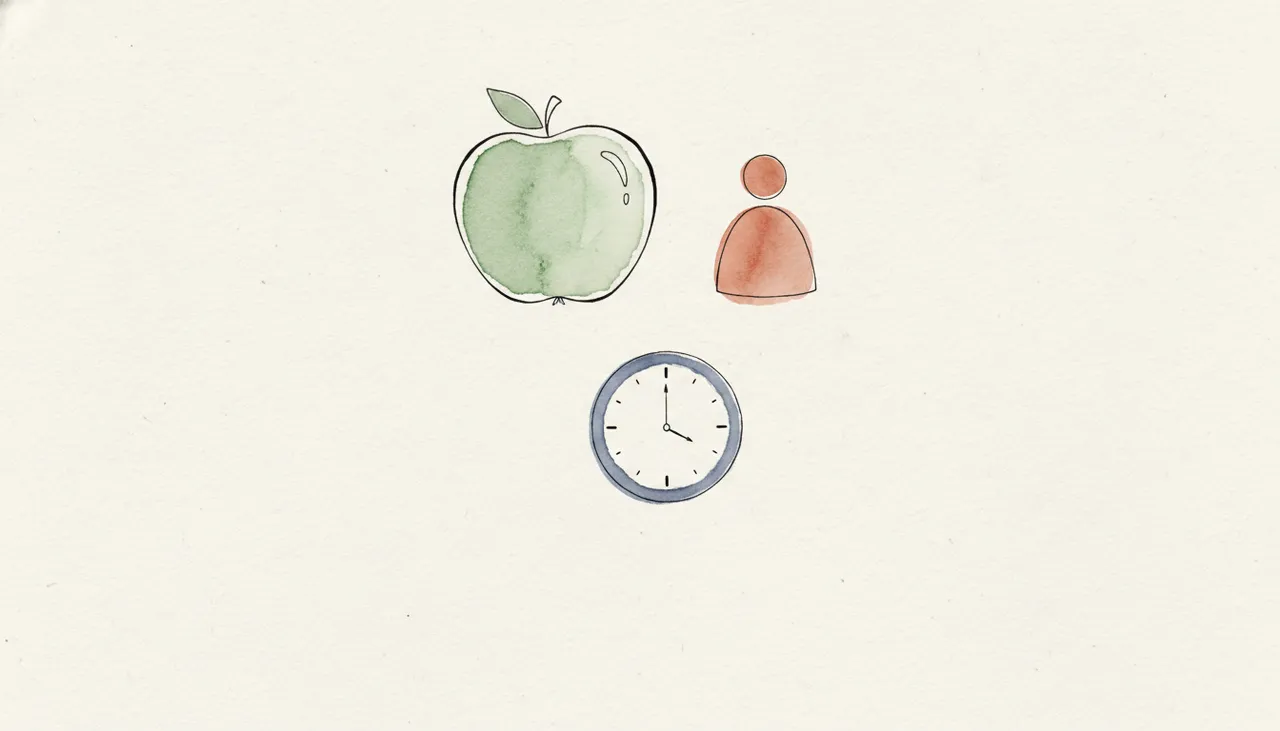
Korean has two number systems and you need both. The short rule: native for things you can point at, sino for abstract quantities. The famous mixed case is telling time — `세 시 십오 분` uses one system for the hour and the other for the minute. Here's how to keep them straight.
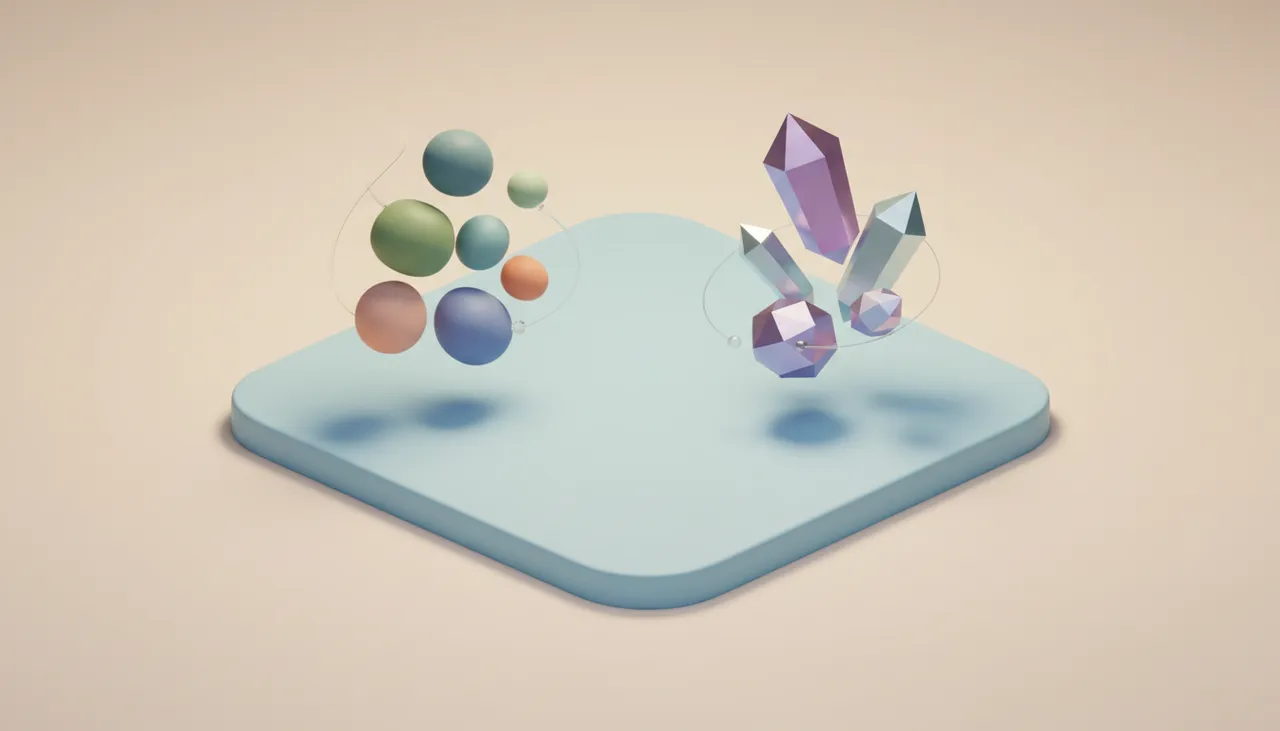
Korean has two number systems and you need both. The short rule: native for things you can point at, sino for abstract quantities. The famous mixed case is telling time — `세 시 십오 분` uses one system for the hour and the other for the minute. Here's how to keep them straight.
The first thing I tell anyone starting Korean is: yes, there are two number systems. Yes, you need both. No, you don't get to pick one. Koreans themselves use them interchangeably in the same sentence and switch without thinking.
I'll tell you the exact moment I understood this. Summer 2021, a small bakery off Garosu-gil. I wanted two croissants. The cashier asked me the time for something — I think she was telling me my order would be ready at some o'clock — and I said 네 시 사십 분ne si sasip bun. Four o'clock and forty minutes. Wrote it down on a post-it. That single phrase uses both number systems, and when I said it without hesitating, she looked up with mild surprise. That was the day I felt fluent in this, specifically. Before that I had to think every time.
So here's the map. Two systems, one rule, and the mixed case that pulls it all together.
The two systems, side by side
| Number | Sino | Native |
|---|---|---|
| 1 | 일 (il) | 하나 (hana) |
| 2 | 이 (i) | 둘 (dul) |
| 3 | 삼 (sam) | 셋 (set) |
| 4 | 사 (sa) | 넷 (net) |
| 5 | 오 (o) | 다섯 (daseot) |
| 6 | 육 (yuk) | 여섯 (yeoseot) |
| 7 | 칠 (chil) | 일곱 (ilgop) |
| 8 | 팔 (pal) | 여덟 (yeodeol) |
| 9 | 구 (gu) | 아홉 (ahop) |
| 10 | 십 (sip) | 열 (yeol) |
The sino column — the Korean word for it is 한자어 (hanja-eo) — was borrowed from Classical Chinese centuries ago. These are the numbers you'll see on a clock, a phone, a receipt. The native column, 순우리말 (sun-urimal) — "pure Korean words" — is the older counting system, the one Koreans were using before the Chinese loanwords took over certain domains.
Both columns are live language. Both are used daily. You can't pick a favorite.
The one rule that gets you 90% of the way
Ask yourself one question: am I counting something I could physically point at?
- Yes → native. Three apples, two people, one book, seven cups. These are discrete objects I can see. Native numbers + a counter word.
- No → sino. Dates, money, phone numbers, addresses, years, minutes, math. Abstract quantities. Sino numbers.
So "three apples" in Korean is native — 사과 세 개sagwa se gae. But "March 3rd" is sino — 삼월 삼일samwol samil. Same number in English, different systems in Korean, because one is a pile of fruit and the other is a calendar date.
The domains where each is locked in
Once you internalize the "point-at-able" rule, the edge cases sort themselves out.
Always sino: year, month, day, money, phone numbers, minutes, seconds, addresses, bus numbers, floor numbers, anything mathematical. If it's on a screen as digits, it's sino. The Korean word for "number" here — 숫자 (sutja) — covers both systems, but the default when you see actual digits written is sino.
Always native: counting people, counting objects of any kind with a counter (개, 명, 잔, 마리, 권), age in casual speech, hours on the clock. This is the "I can gesture at it" category.
The categories that used to throw me: bus numbers are sino (버스 147번beoseu 147beon = "bus 147," read as 백사십칠 번baeksasipchil beon). Floor numbers are sino (3층3cheung = 삼층samcheung, third floor). But hours are native, and age is native. There's no underlying logic beyond the point-at-able rule — just internalize it.
The signature mixed case: telling time
If there's one thing that tests whether you've actually absorbed the two-system split, it's telling time in Korean. Because you need both systems in the same phrase.
- Hour = native → 한 시, 두 시, 세 시, 네 시 …
- Minute = sino → 일 분, 이 분, 삼 분, 오 분, 십오 분 …
So 3:15 is 세 시 십오 분 (se si sipo bun). Three o'clock — native. Fifteen minutes — sino. One phrase, both systems.
Why? Rough linguistic guess: hours were treated like "things" — discrete, point-at-able, you look at the clock face. Minutes were treated as mathematical subdivisions, the domain of sino. But really, the split is historical and you don't need to understand it, you just need to reproduce it.
Practice saying:
- 한 시 오 분 — 1:05
- 두 시 삼십 분 — 2:30
- 여섯 시 사십오 분 — 6:45
- 열두 시 일 분 — 12:01
Do this out loud every time you check a clock for two weeks. Within a few days it'll be automatic.
A quick warm-up
Translate into Korean. Answers below.
- "Two people"
- "2,000 won"
- "4:40"
- "March 15th, 2023"
- "I'm 30 years old."
Answers:
두 명du myeong — native + counter이천 원icheon won — sino (money)네 시 사십 분ne si sasip bun — native hour, sino minute이천이십삼년 삼월 십오일icheonisipsamnyeon samwol siboil — sino all the way서른 살이에요seoreun sarieyo — native (age in casual speech)
If you got all five without pausing, you've got it. If #3 and #5 tripped you, you're in the same place most learners are at three months in. Keep drilling.
FAQ
Why does Korean have two systems? Same reason English has "twelve" and "dozen" — historical layering. Sino numbers came from centuries of cultural contact with China and took over math, money, and calendrical domains. Native numbers stayed in the tangible, person-level counting space.
Is one system more formal than the other? No. They're domain-assigned, not register-assigned. A billionaire signing a contract still uses sino for the amount and native for counting the lawyers in the room.
What about big numbers, like 10,000 or a million?
Sino. And they group in units of 만 (10,000), not 1,000. One million in Korean is 백만baekman (hundred-ten-thousands).
Do I need to learn both at the same time? Yes-ish. Learn sino 1–10 and native 1–10 in parallel, because you'll see both immediately. Push sino all the way to 1000 first (easier pattern), then fill in native up to 99.
Related on Korean TokTok
Quick cheat sheet
Expressions in this post