
#korean-slang
Browse Korean learning posts tagged "Korean Slang". Slang, grammar, culture, and real-world examples to sharpen your Korean.
39 posts
Hanhwa Eagles Fan: The Ultimate Korean Dating Compliment
Learn why being called a 'Hanhwa Eagles fan' is a high compliment for loyalty in Korean dating. Master this unique cultural metaphor today!
장교 vs 장군: Comparing Korean Social Rank Slang
Learn the difference between 장교 and 장군 in Korean social slang. Master these military metaphors for responsibility and leadership.
맛이 가다: The K-Drama Way to Critique Food and People
Learn how to use 맛이 가다 like a pro. Master this essential K-drama expression for food critiques and character drama. Discover more now!
박지성급 & 언성 히어로: Praise Like a Korean Football Fan
Master 박지성급 and 언성 히어로 to praise reliability and hard work in Korean. Learn the nuance of the 'Unsung Hero' in team settings.
개표소 뜻: Why Koreans Use 'Ballot Counting' for Stress
Discover the '개표소' meme—how a literal ballot counting station became a viral metaphor for high-stakes waiting. Master this Korean slang today!

파나마 & 먼저 가볼게요: The Art of the Korean Social Escape
Learn the 'Panama' (파나마) slang for ghosting events and the polite '먼저 가볼게요' alternative. Master Korean social exits now!

메시 vs 무임승차: Korean Slang for the Team Carry vs the Freeloader
In every Korean group project there is the 메시 who carries everyone and the 무임승차 who just coasts. Learn the two terms for the team MVP vs. the dead weight.
장성급 뜻: Why Koreans Call Everything 'General-Level'
Master the 장성급 (General-level) meme to describe boss-level food, gaming, and skills. Learn the military roots of this Korean slang.
결혼식 뜻: Why Koreans Call High-Effort Events 'Weddings'
Learn why Koreans use 결혼식 (wedding) to describe high-effort events. Master this superlative slang with usage tips and examples.
빵 터지다: The Secret to Flirting on a First Date in Korea
Master 빵 터지다 to signal romantic chemistry. Learn how shared laughter works in Korean dating culture with our Laughter Intensity Scale and drills.
미쳤나 봐: The K-Drama Way to Realize You're Falling in Love
Master 미쳤나 봐 and 미쳤어 - essential K-drama expressions for romantic realizations and shock. Learn the nuance, tone, and usage with our quiz.
전지현 (Jeon Ji-hyun) Meaning: The Peak of Korean Elegance
Master the slang use of 전지현 to describe peak visual elegance and timeless vibes. Learn when to use it and how to avoid sounding obsessive.
브레인 & 똑똑이: Korean Slang for Smart Geniuses
Master 브레인 and 똑똑이 - learn how to describe intelligence in Korean variety shows and daily chats. Discover the 'Intelligence Intensity Scale' now!
시발비용 & 멍청비용: Stress Spending in Korean Slang
Learn the meaning of 시발비용 and 멍청비용—essential Korean slang for stress-induced spending and silly mistakes. Master these terms today!
노답 vs 노잼: Korean Slang for Hopelessness and Boredom
Learn the difference between 노답 (No-dap) and 노잼 (No-jam). Master these essential Korean slang terms to avoid social awkwardness!
이상순 바이브: The Ultimate Korean Chill Masculinity Meme
Master the 'Lee Sang-sun vibe' (이상순 바이브) meme. Learn how to describe the perfect relaxed, supportive, and unbothered energy in Korean.
죽겠다 & 죽네: The K-Drama Hyperbole Intensity Scale
Master the dramatic use of 죽겠다 and 죽네. Learn how to express extreme hunger, love, or exhaustion like a K-drama lead.
닥쳐 Meaning: Why This Korean 'Shut Up' is Risky
Learn the meaning of 닥쳐 (Dak-chyeo) and 입 다물어. Master Korean 'shut up' slang with a politeness ladder and safe alternatives. Learn more!
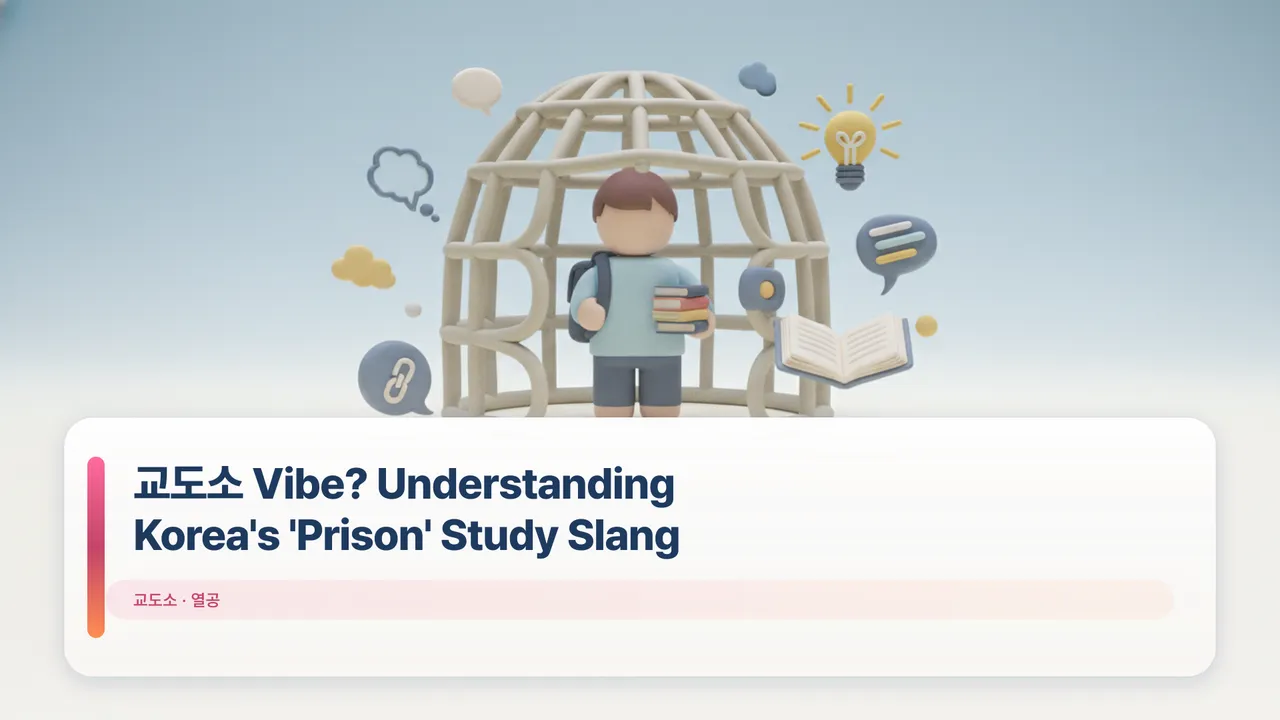
교도소 Vibe? Understanding Korea's 'Prison' Study Slang
Learn why Koreans use 교도소 (prison) to describe intense study routines and discover safer alternatives like 열공. Master digital incarceration slang!
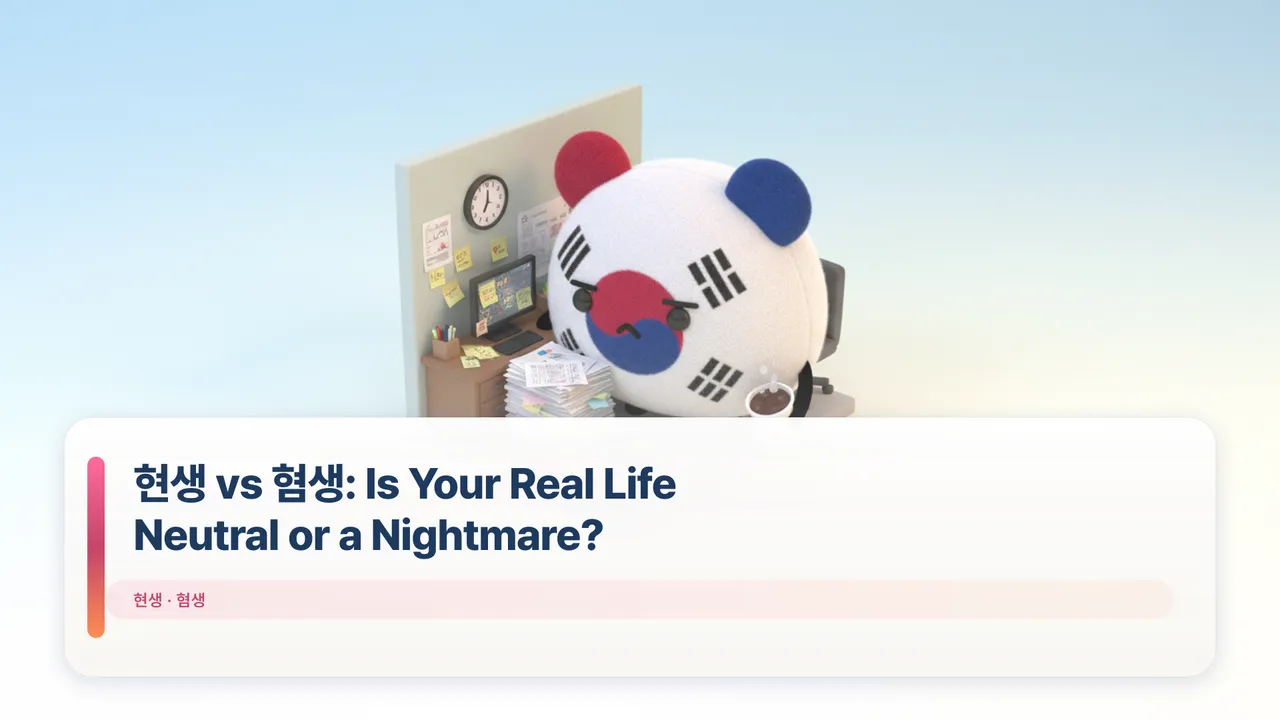
현생 vs 혐생: Is Your Real Life Neutral or a Nightmare?
Compare 현생 (real life) and 혐생 (hated life). Learn how to express burnout and daily responsibilities in Korean slang. Master the misery scale!
헐 (Heol) Meaning: Why Koreans Say It for Everything
Master the Korean slang 헐 (Heol). Learn how to use this essential filler for shock, disbelief, and sarcasm without sounding rude. Master it now!
썸 타다 Meaning: The Korean Guide to Pre-Dating Nuance
Master 썸 타다 (Sseom tada) and navigate the 'some' stage in Korean dating. Learn the signs, avoid 'Geum-sa-ppa' traps, and flirt naturally!
오저치고 뜻: Master the 'Chicken for Dinner' Korean Meme
Learn the meaning of 오저치고 (O-jeo-chi-go) and 점메추. Master Korean food slang and the '-go' suffix for casual chats. Level up your Korean now!
내돈내산 Meaning: Why Koreans Use This for Honest Reviews
Master 내돈내산 and 광고 to spot real Korean product reviews. Learn the nuance behind 'my own money' vs. sponsored content with this guide.
-야 and -이야: How to Tease Korean Friends Casually
Master the casual endings -야 and -이야 to tease your Korean friends. Learn the 'tease-meter', avoid common mistakes, and practice with a quiz!
K-Pop Idol Korean & Kitchen Essentials Weekly Review
Master essential phrases like 잘 먹겠습니다 and learn how K-pop idols pick up Korean so fast. Includes a 10-question quiz!
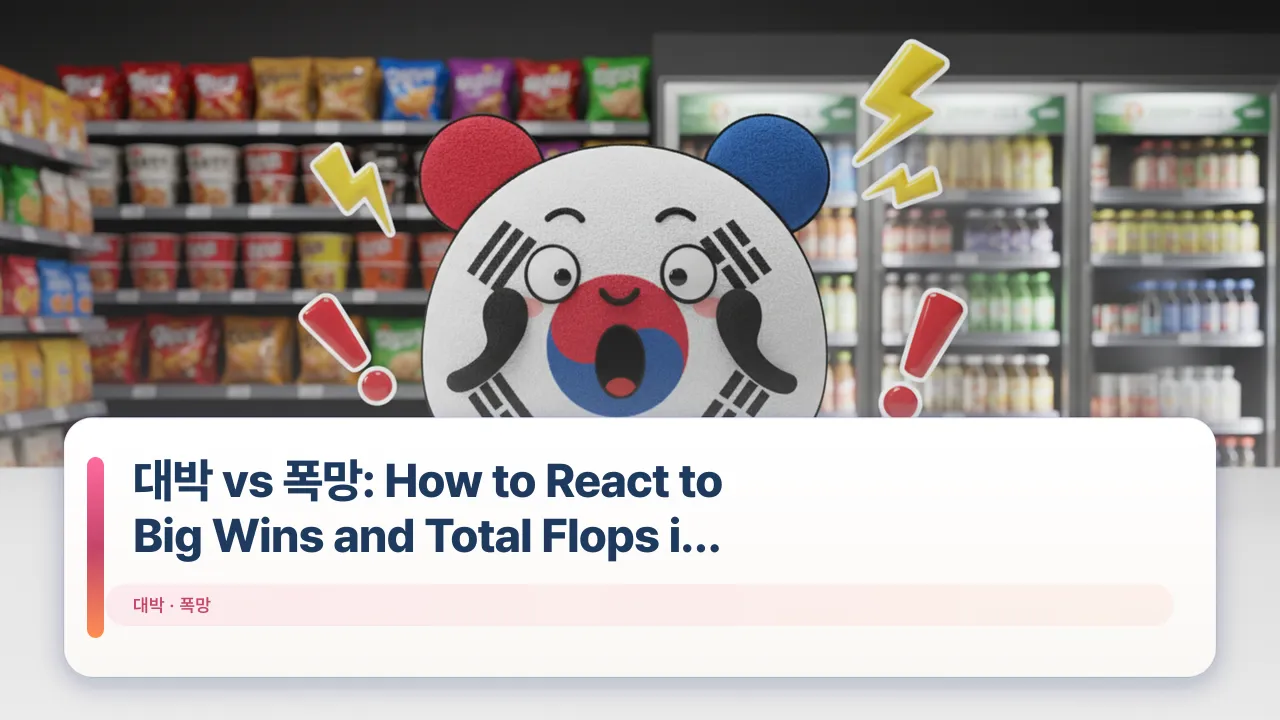
대박 vs 폭망: How to React to Big Wins and Total Flops in Korean
Learn how Koreans react to good and bad news: 대박 (a huge win / jackpot) vs 폭망 (a total flop). Master the two go-to slang reactions for any outcome.
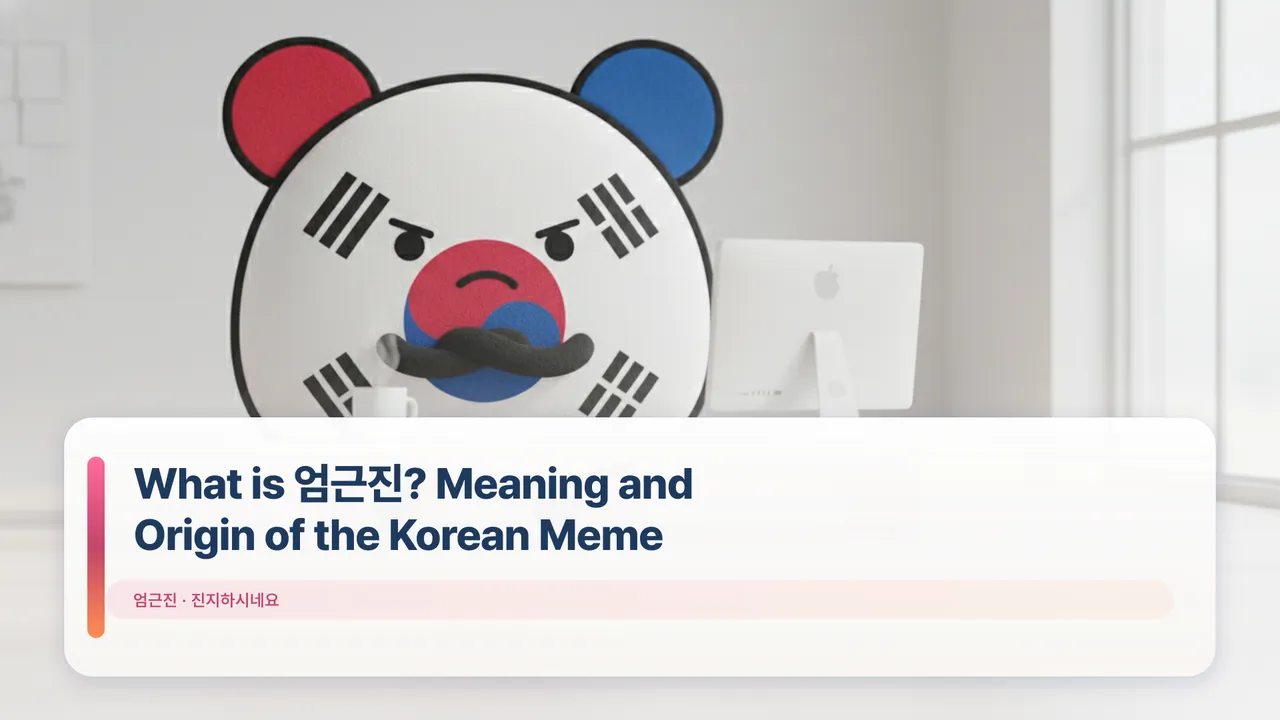
What is 엄근진? Meaning and Origin of the Korean Meme
Discover the meaning of 엄근진 (Eom-Geun-Jin), its funny origin, and how to use it in Korean chats without being a buzzkill. Master Korean slang!
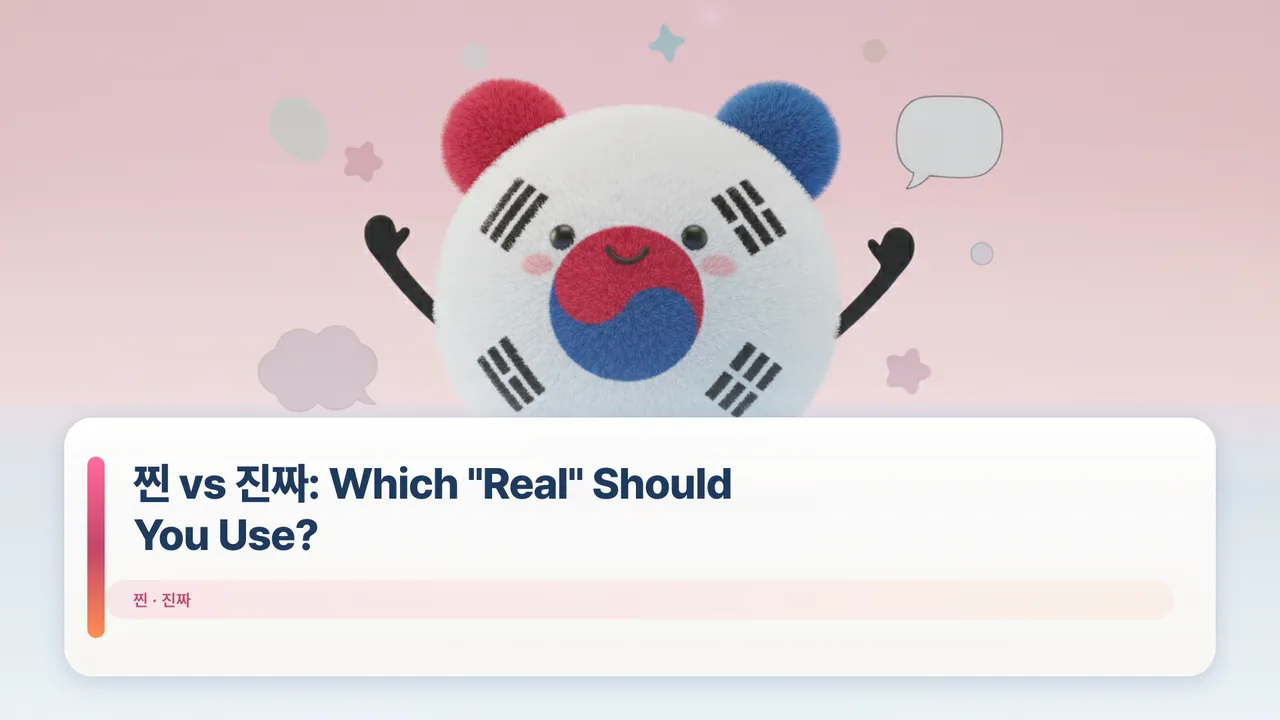
찐 vs 진짜: Which "Real" Should You Use?
Master the nuance between 찐 and 진짜. Learn when to use these Korean slang terms for 'real' with examples and a quick quiz.
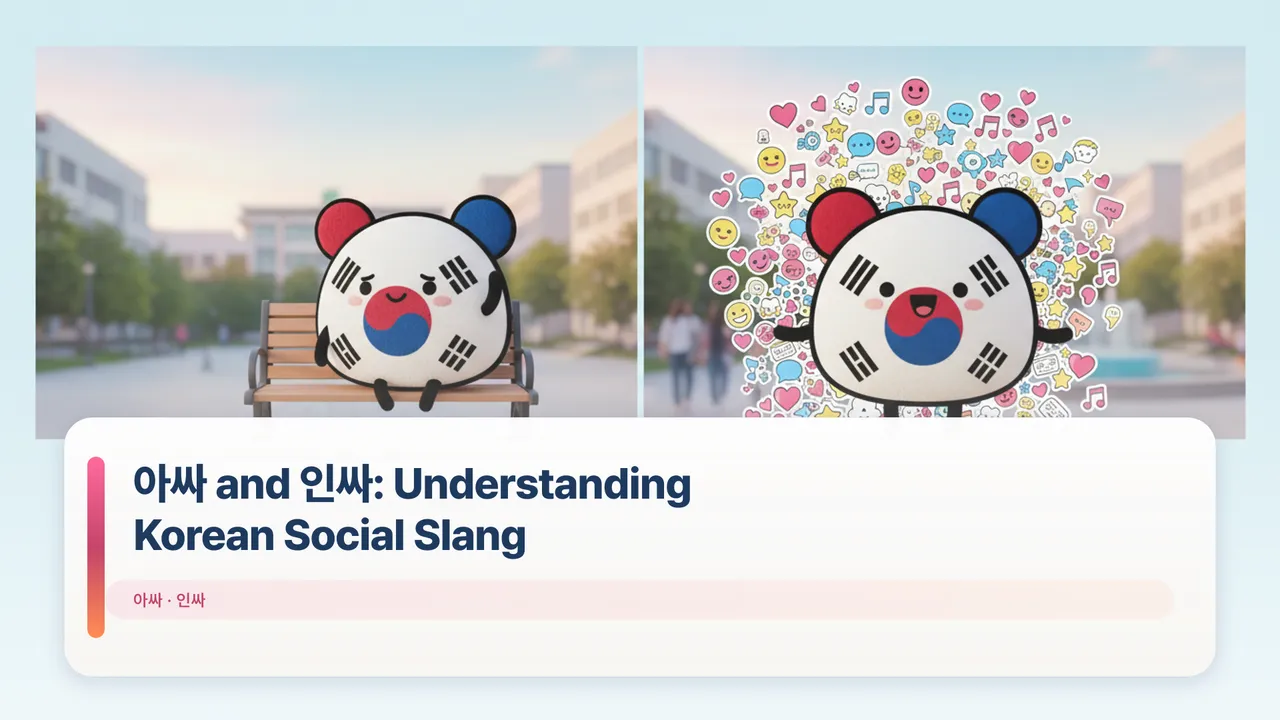
아싸 and 인싸: Understanding Korean Social Slang
Master the meaning of 아싸 (Outsider) and 인싸 (Insider). Learn how to use these essential Korean social terms naturally in chat and daily life.
인싸 뜻: What Does Inssa Mean in Korean Slang?
Master the meaning of 인싸 (Inssa), the essential Korean slang for social butterflies. Learn how to use it and avoid common mistakes.
노잼 vs 꿀잼: Master Korean Fun Slang Like a Native
Learn the meaning of 노잼 and 꿀잼, the essential Korean slang for 'boring' and 'fun'. Master these chat terms with examples and politeness tips.
꿀팁 vs 노하우: Which Korean 'Tip' Should You Use?
Master the difference between 꿀팁 and 노하우. Learn when to use these essential Korean slang and loanwords in chat and life.
사바사 뜻: How to Use This Essential Korean Slang
Master the Korean slang 사바사 (sabasa) to talk about individual differences. Learn the meaning, usage tips, and natural alternatives in this guide.
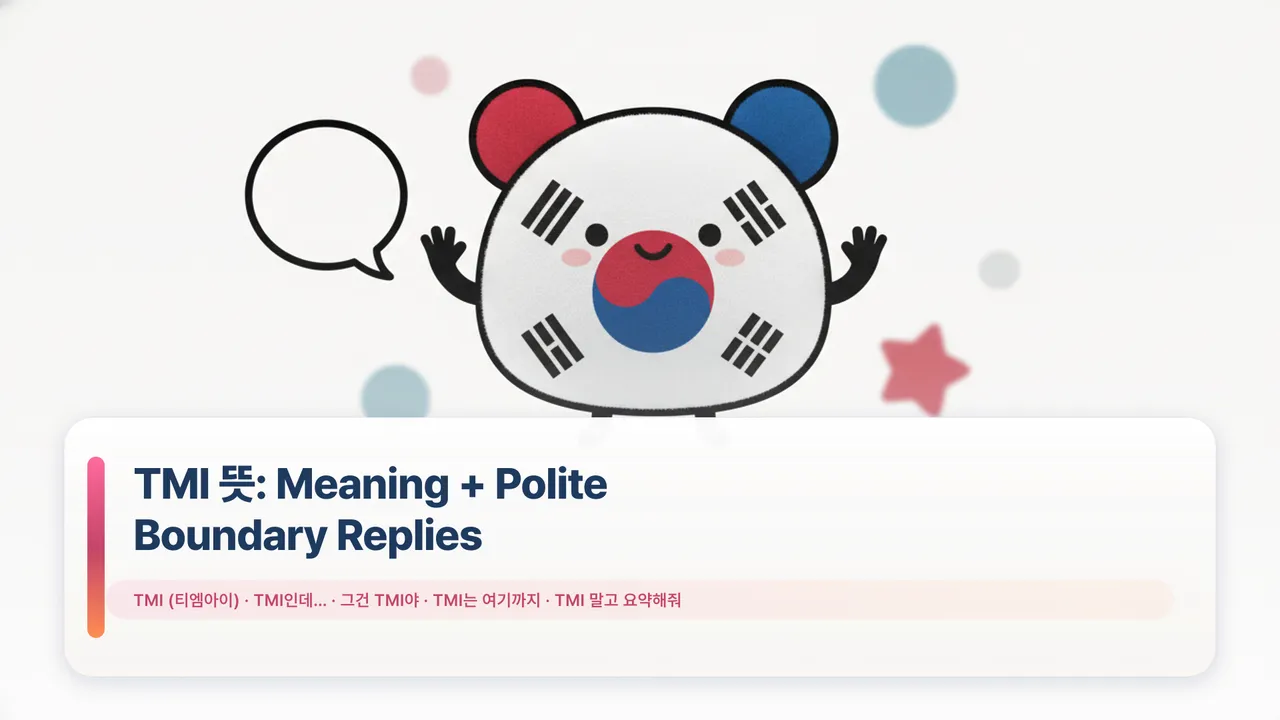
TMI 뜻: Meaning + Polite Boundary Replies
Learn TMI (티엠아이) meaning plus easy replies like “TMI인데” and “그건 TMI야” to redirect without shaming—discover
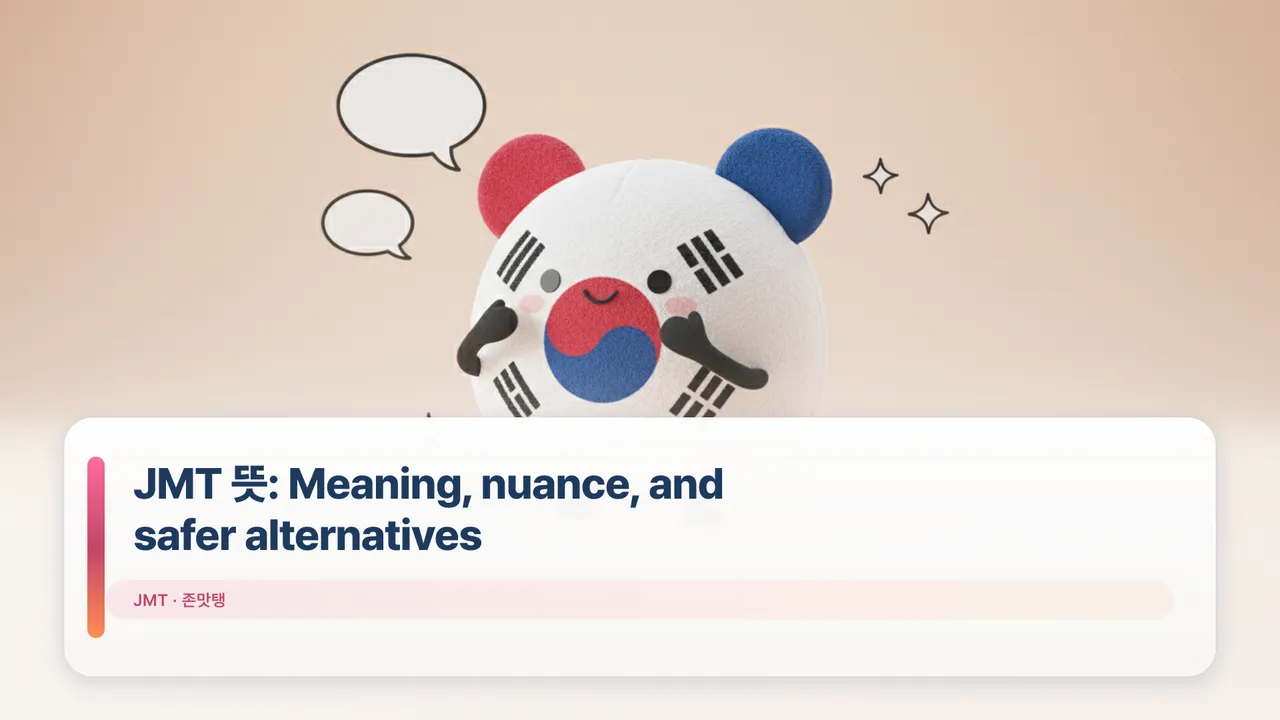
JMT 뜻: Meaning, nuance, and safer alternatives
Learn JMT & 존맛탱 meanings with tone ladders, rewrite fixes, and safe substitutes for DMs or comments—master
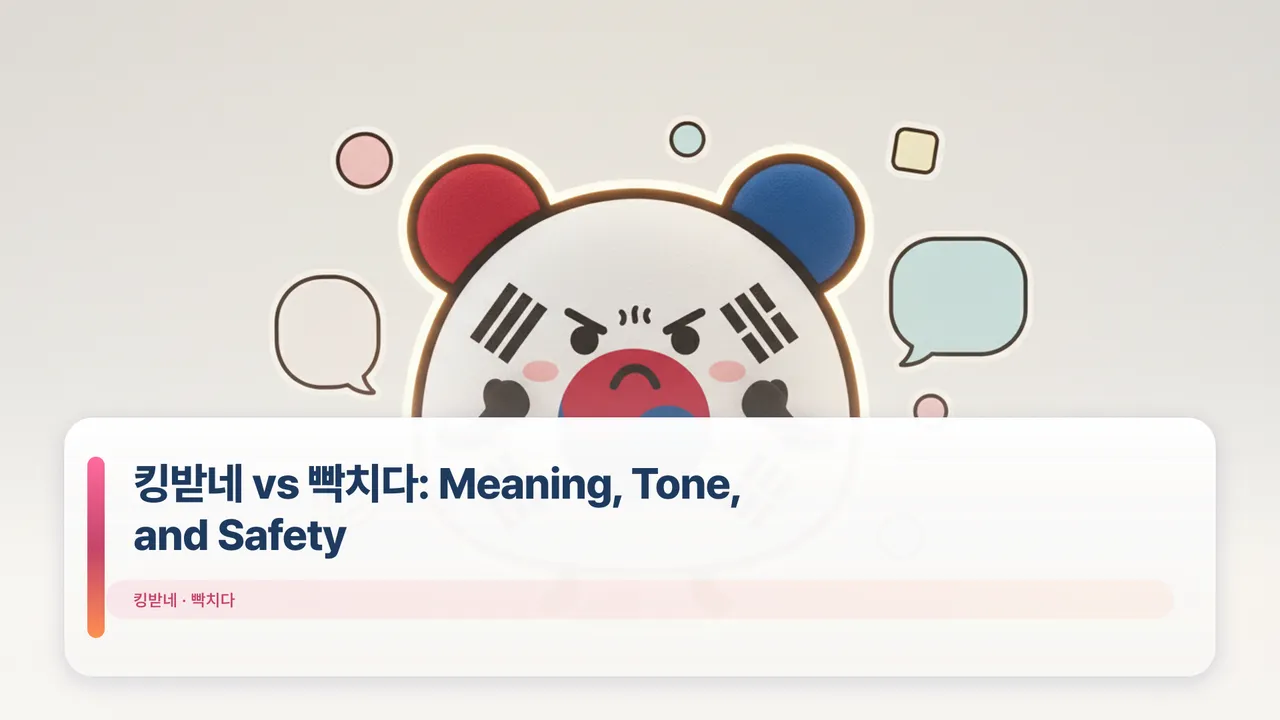
킹받네 vs 빡치다: Meaning, Tone, and Safety
Understand 킹받네 vs 빡치다 with a 0–5 irritation slider, decision tree, and chat rewrites—sound natural fast, master
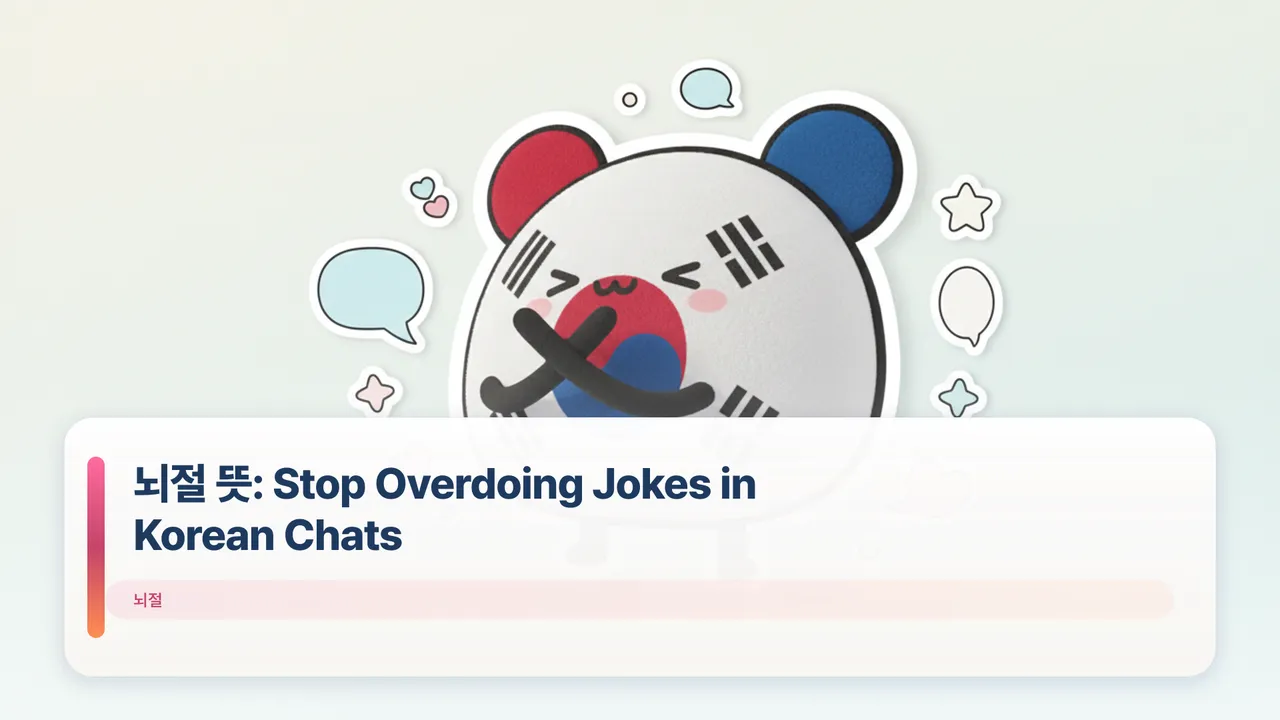
뇌절 뜻: Stop Overdoing Jokes in Korean Chats
Fix 뇌절 misuse with a joke-length meter, 12 chat rewrites, and 뇌절 그만 politeness tips—master
현타·멘붕 뜻: How to Use Them Without Drama
Understand 현타 & 멘붕 with a 3-way chooser, 10 rewrites, and collocation drills for real chats—stay self-aware and natural, learn
Related tags
Tags that often appear alongside #korean-slang in our posts.
Looking for more? Browse all tags or visit the full post archive.